PawPedia breed guide
Large Dog Breeds
Big hearts, big logistics—space, joints, food budgets, and training that keep large dogs thriving.
92 breeds · Updated 2026-08-15
Large dog breeds include beloved family dogs like Labrador and Golden Retrievers, athletic herding and working breeds, and giant guardians. Size brings presence and capability—and higher stakes for training, flooring, vehicles, and veterinary costs. Use this guide alongside individual profiles and our comparison tool.
Before you choose a large breed
Plan for food volume, durable gear, and enough room to turn around comfortably indoors. Puppies grow fast; large-breed growth plates need sensible exercise and diets formulated for controlled growth (AKC large-breed puppy nutrition overview).
Training is non-negotiable: a polite 70-pound dog is a joy; an untrained one is a liability on leash and around guests.
Exercise and enrichment
Many large sporting and herding breeds need substantial daily workouts. Others (some giant mastiff types) prefer shorter, joint-friendly walks. Match the breed’s historic job—retrieving, herding, guarding—to the activities you actually enjoy.
Joints, lifespan, and screening
Hip and elbow evaluations are standard talking points with responsible breeders. See the OFA’s pages on hip dysplasia and elbow dysplasia. Larger dogs, on average, have shorter lifespans than small dogs (AKC longevity overview)—budget for lifelong joint support and weight control.
Large breed profiles
Browse 92 profiles. Open any breed for temperament, care, and lifestyle scores.
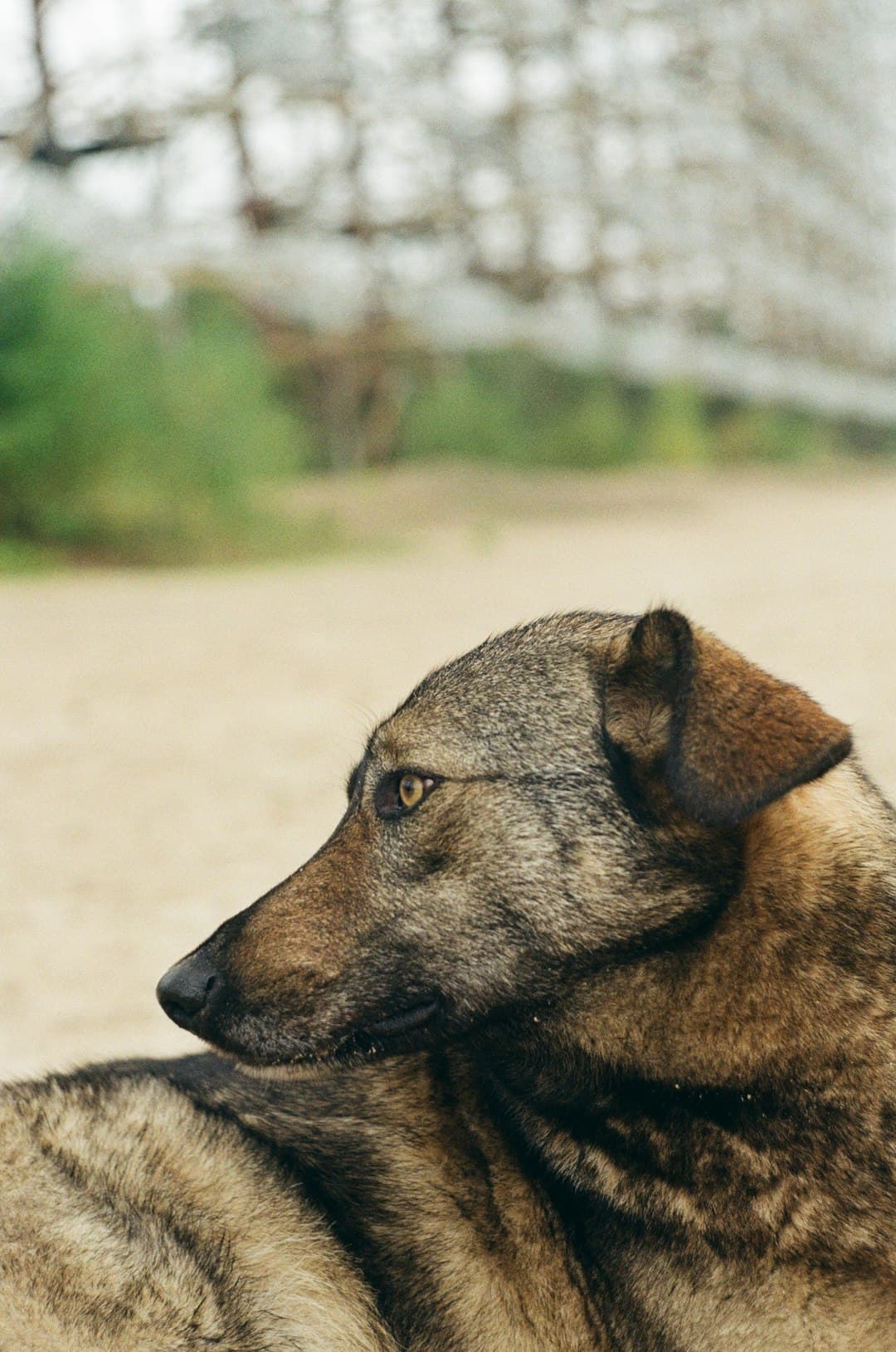
Afghan Hound
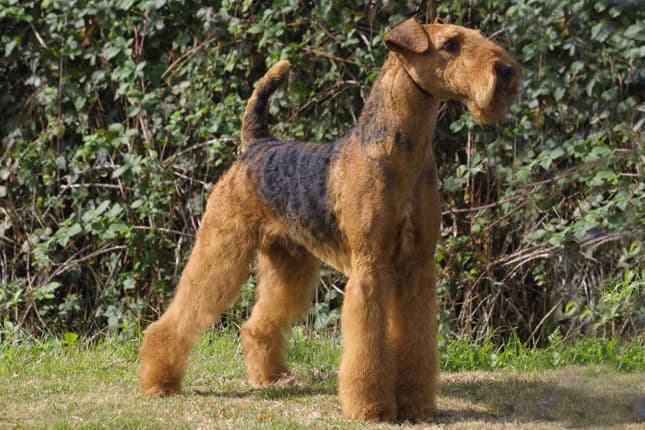
Airedale Terrier
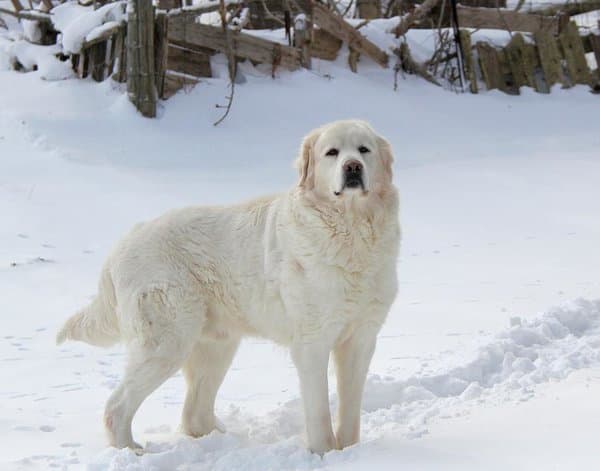
Akbash Dog
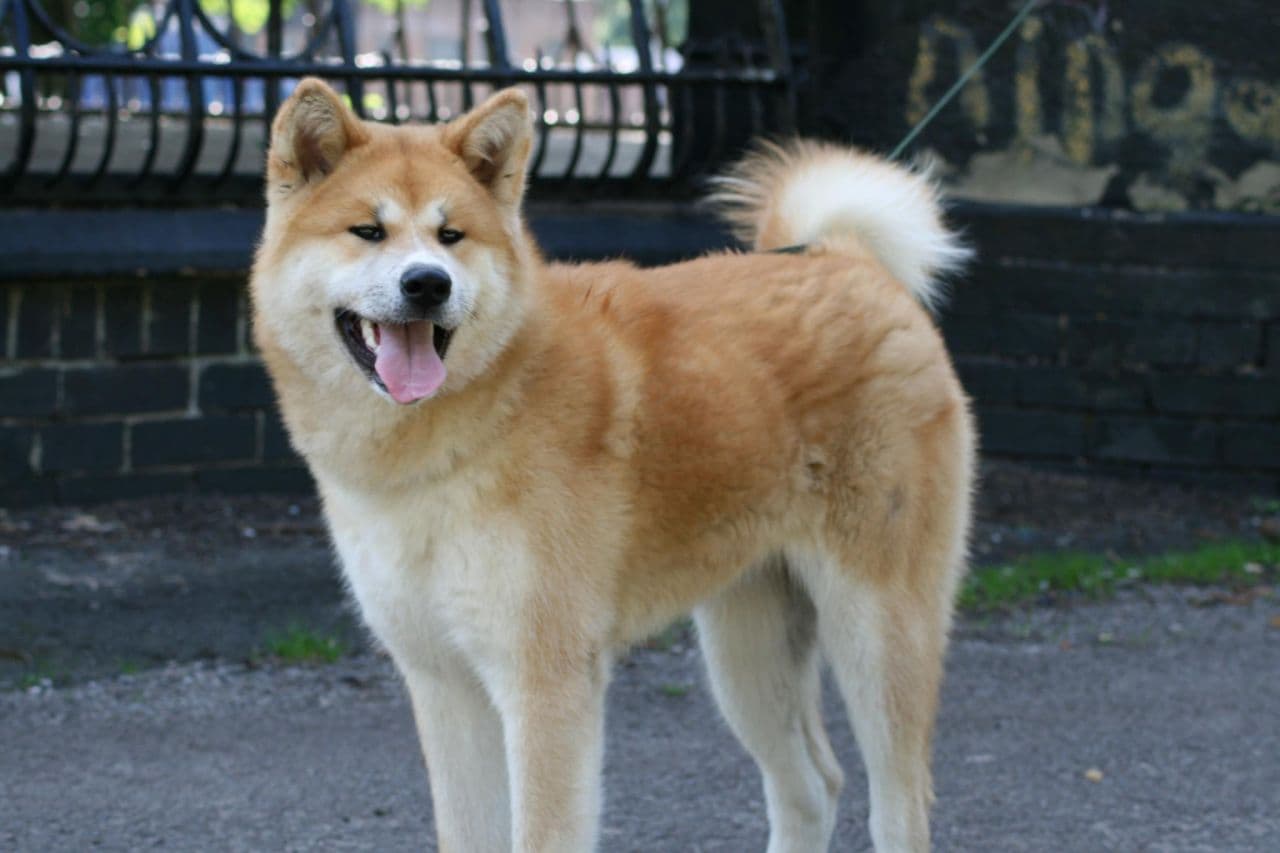
Akita
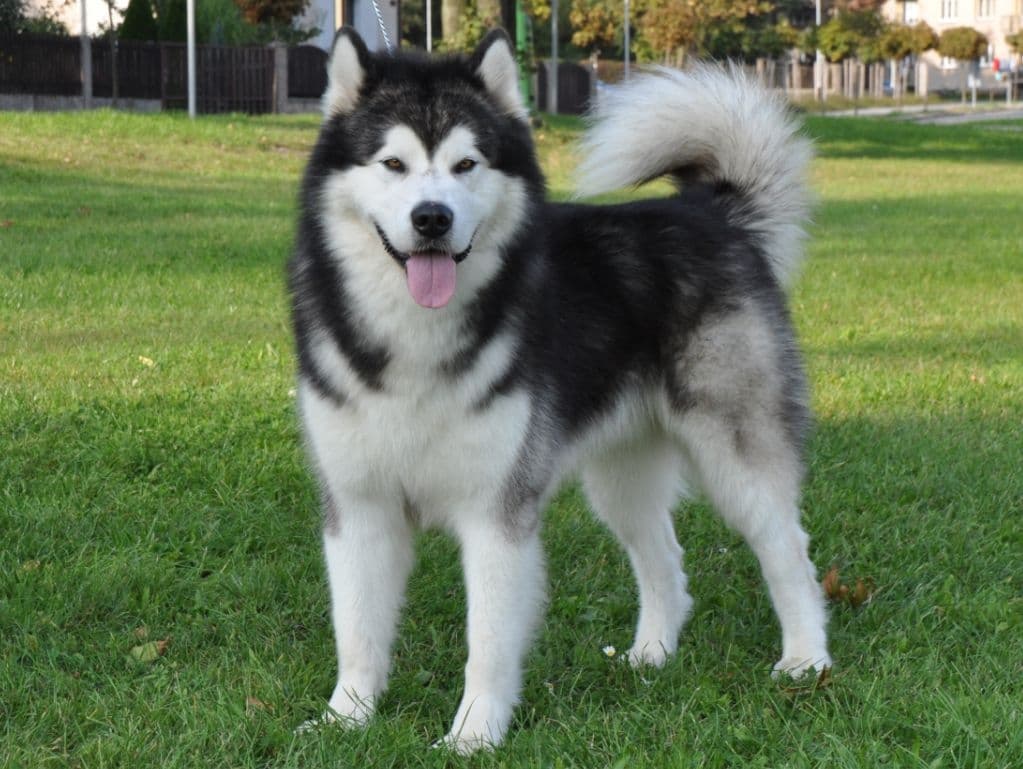
Alaskan Malamute
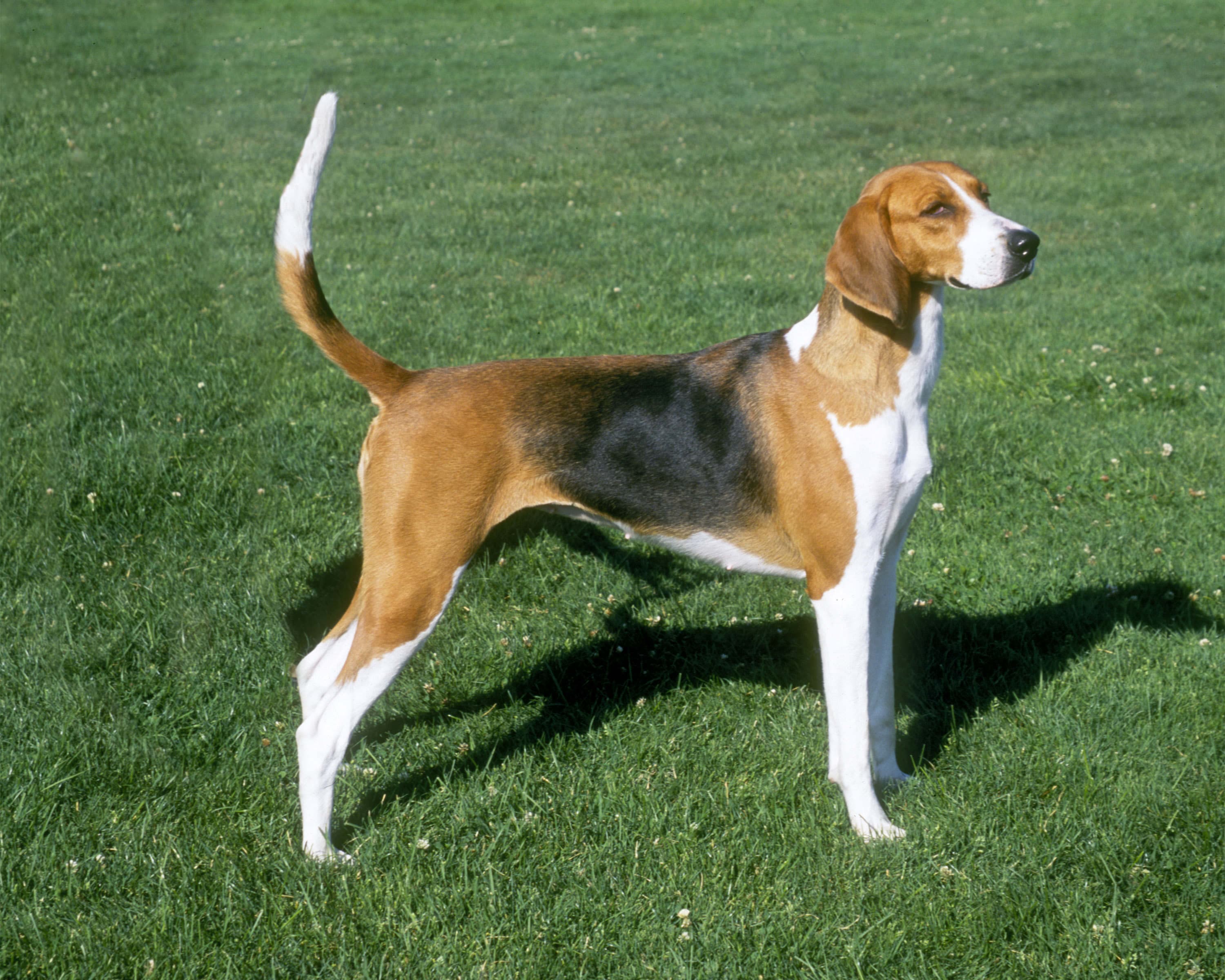
American Foxhound
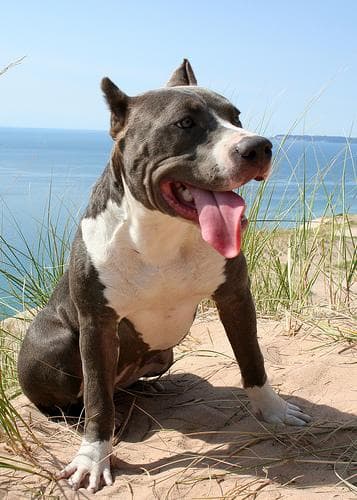
American Staffordshire Terrier
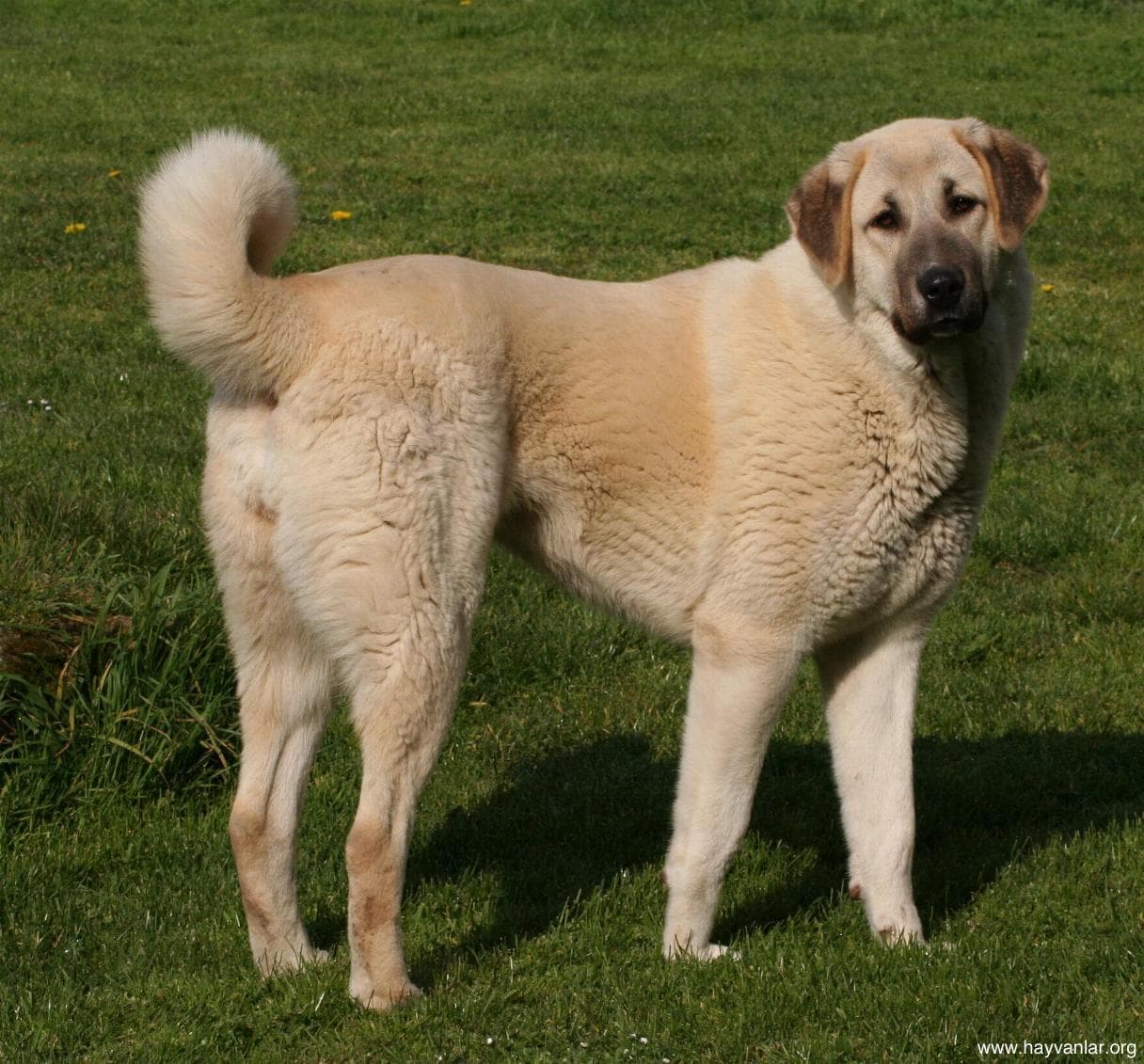
Anatolian Shepherd

Azawakh
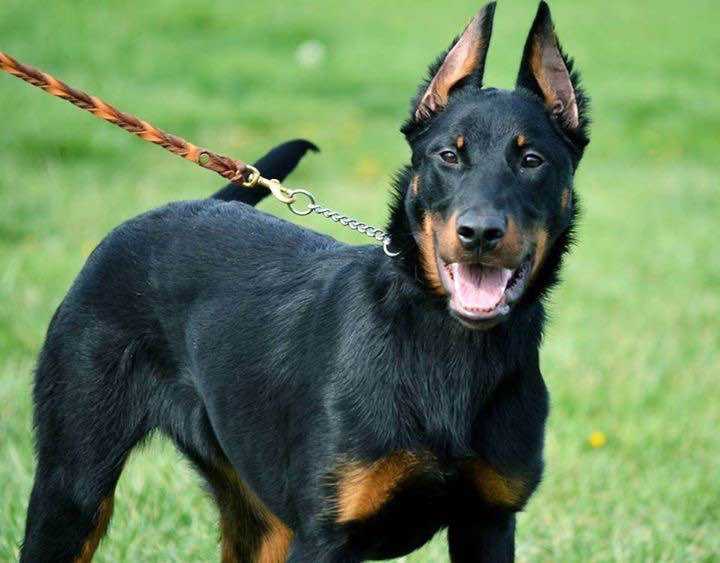
Beauceron
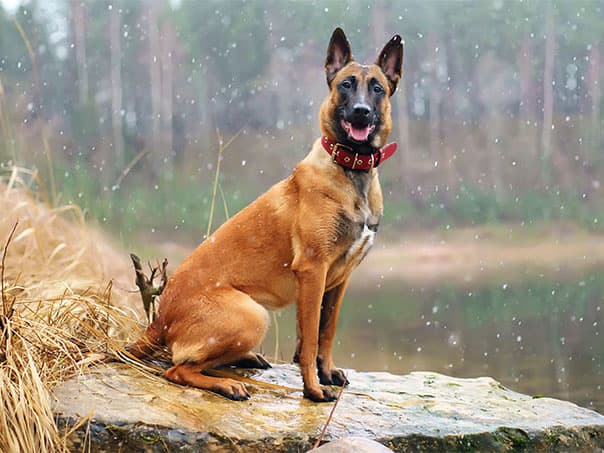
Belgian Malinois
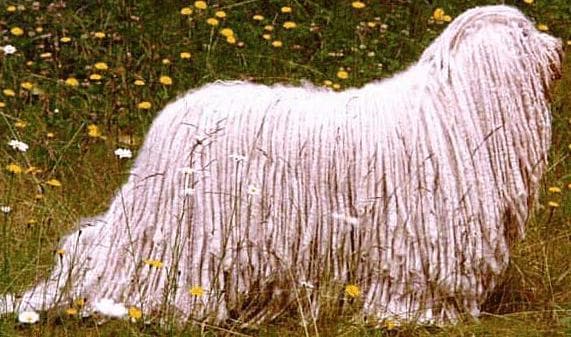
Bergamasco Shepherd
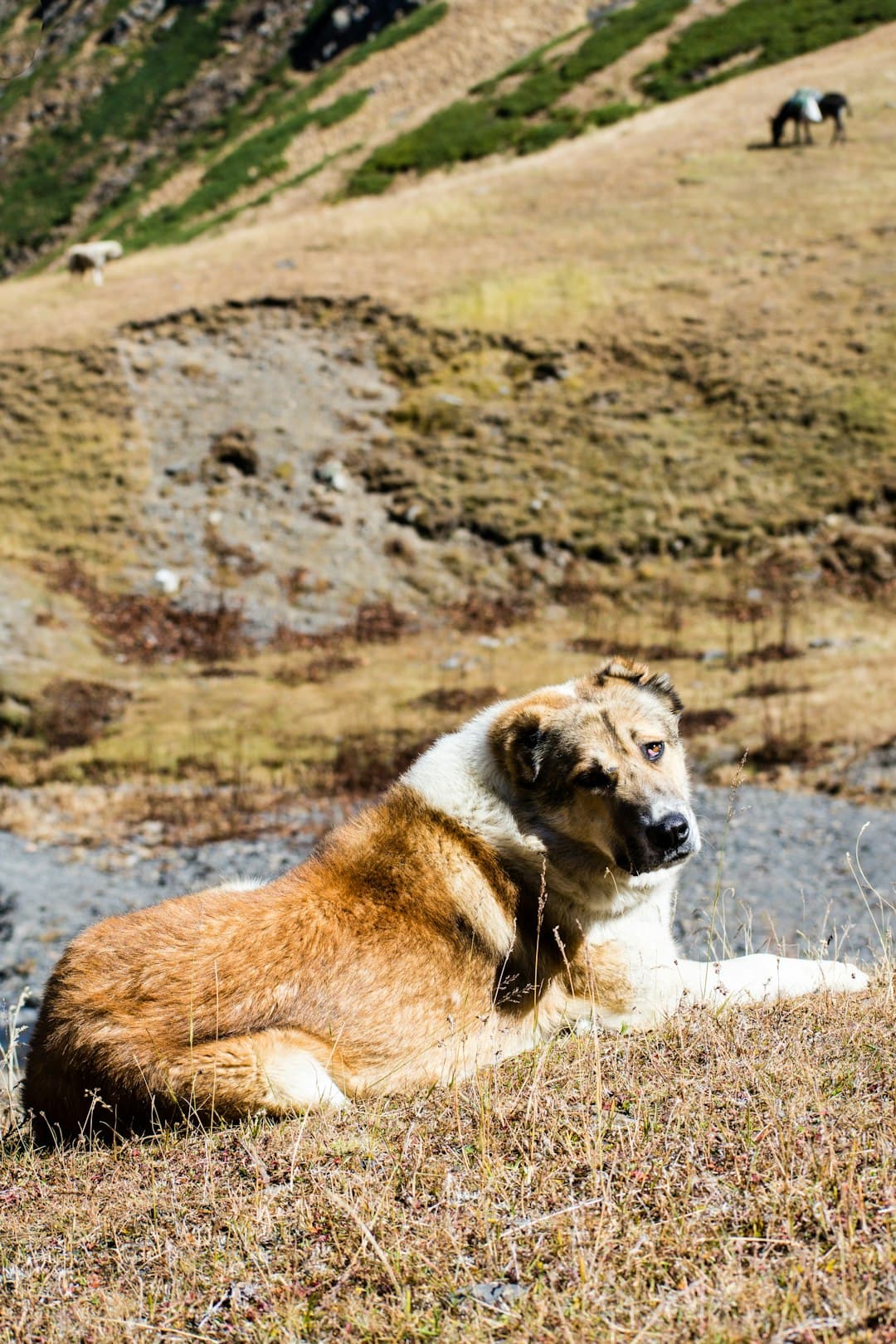
Bernedoodle
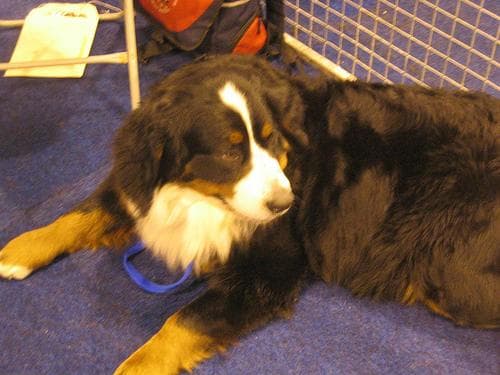
Bernese Mountain
Bernese Mountain Dog
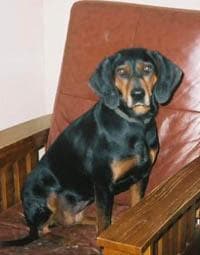
Black and Tan Coonhound
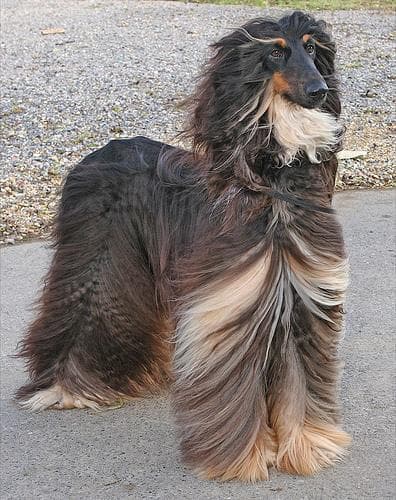
Bleu de Gascogne

Bloodhound
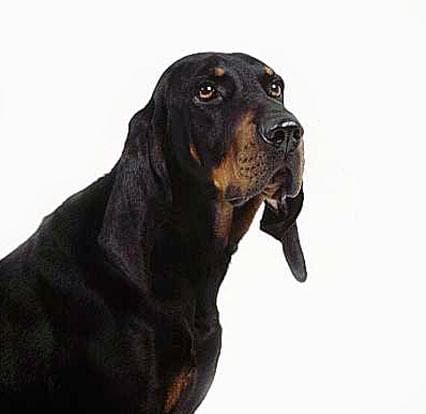
Bluetick Coonhound
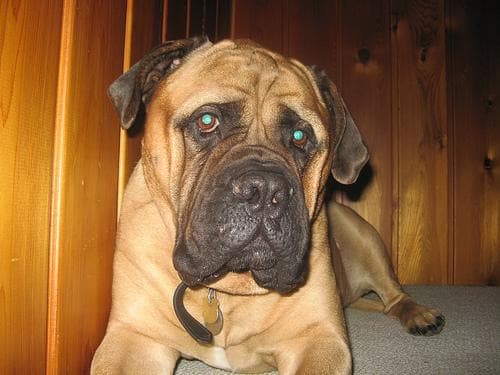
Boerboel
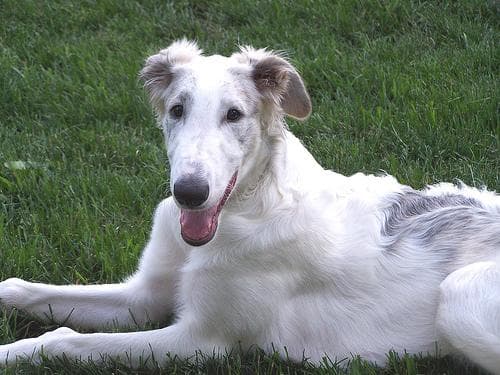
Borzoi
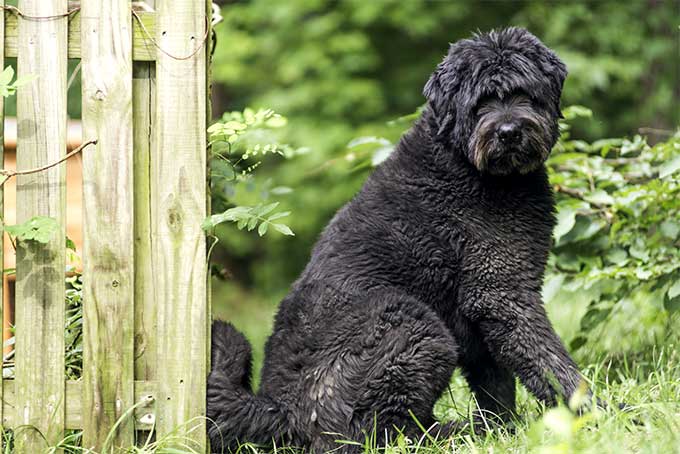
Bouvier des Flandres
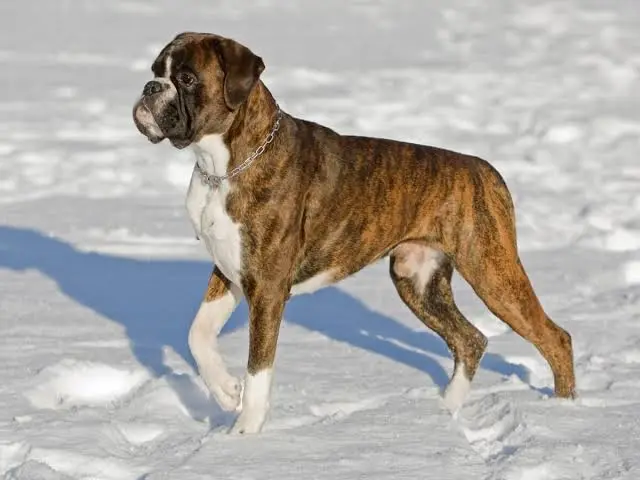
Boxer
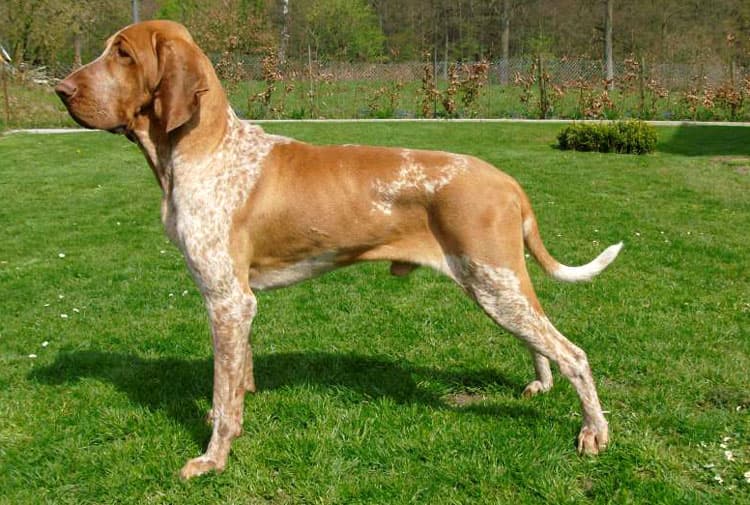
Bracco Italiano
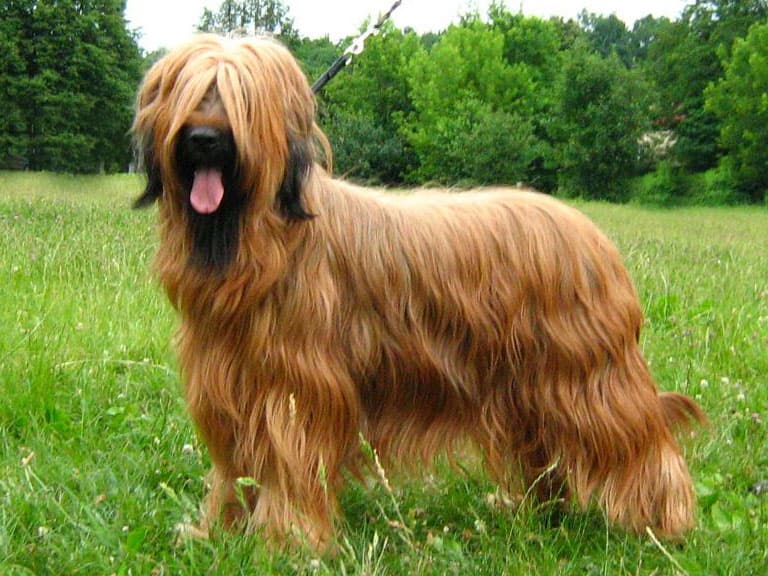
Briard
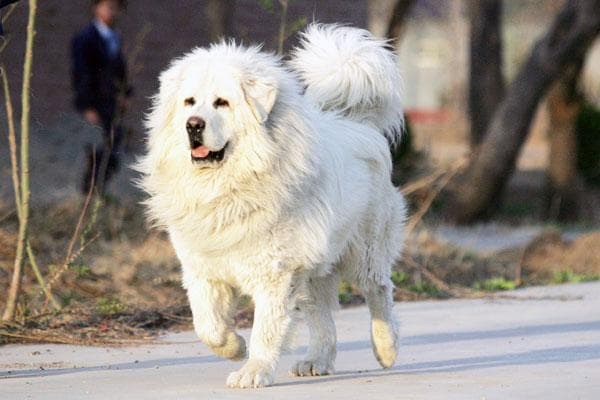
Bull Mastiff
Bullmastiff
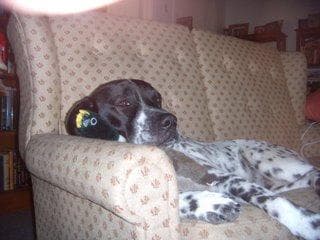
Burgos Pointer
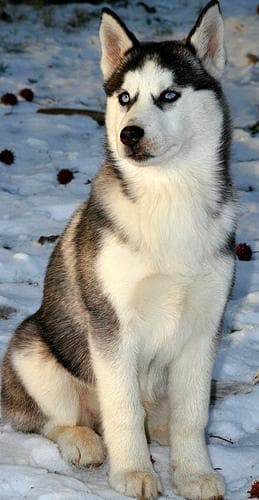
Canadian Eskimo Dog
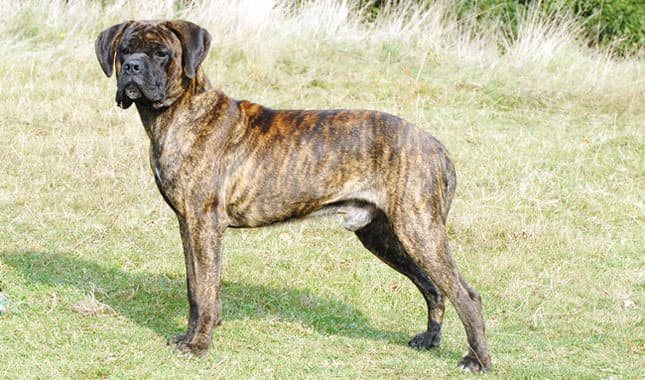
Cane Corso
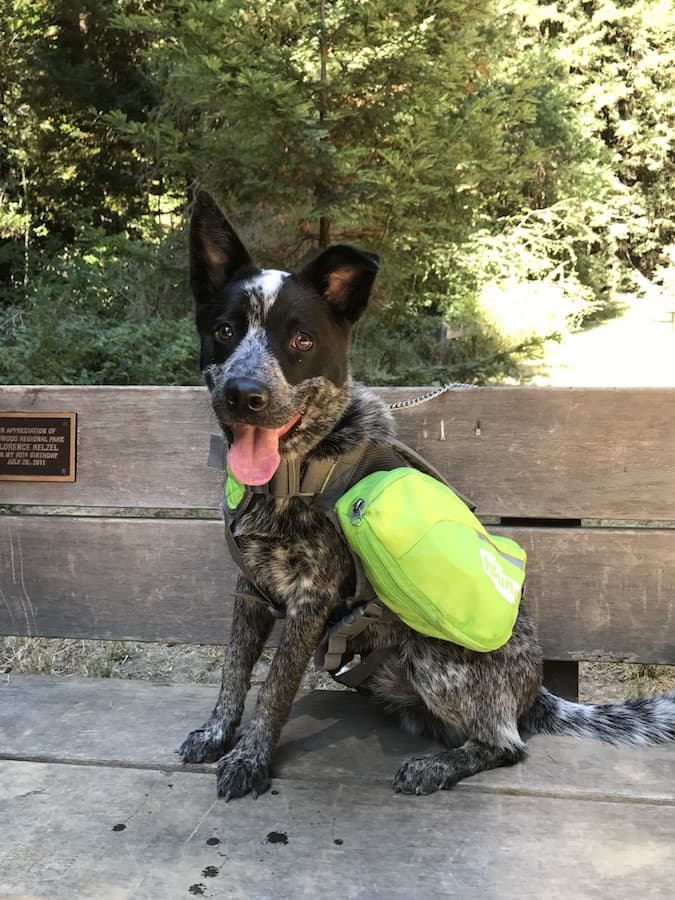
Catahoula Leopard Dog
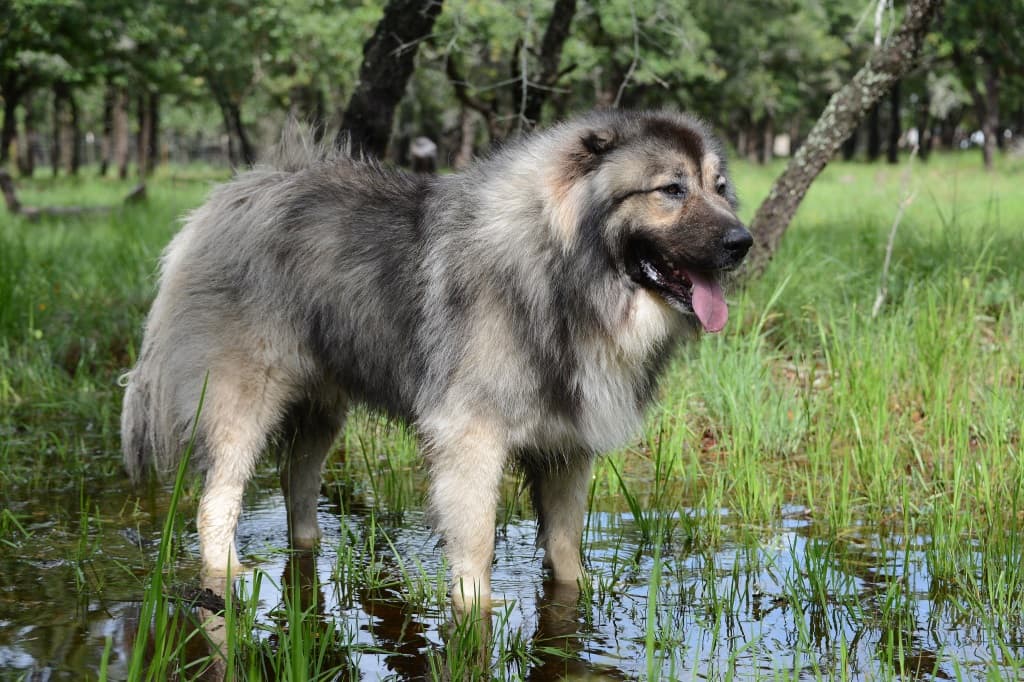
Caucasian Shepherd (Ovcharka)
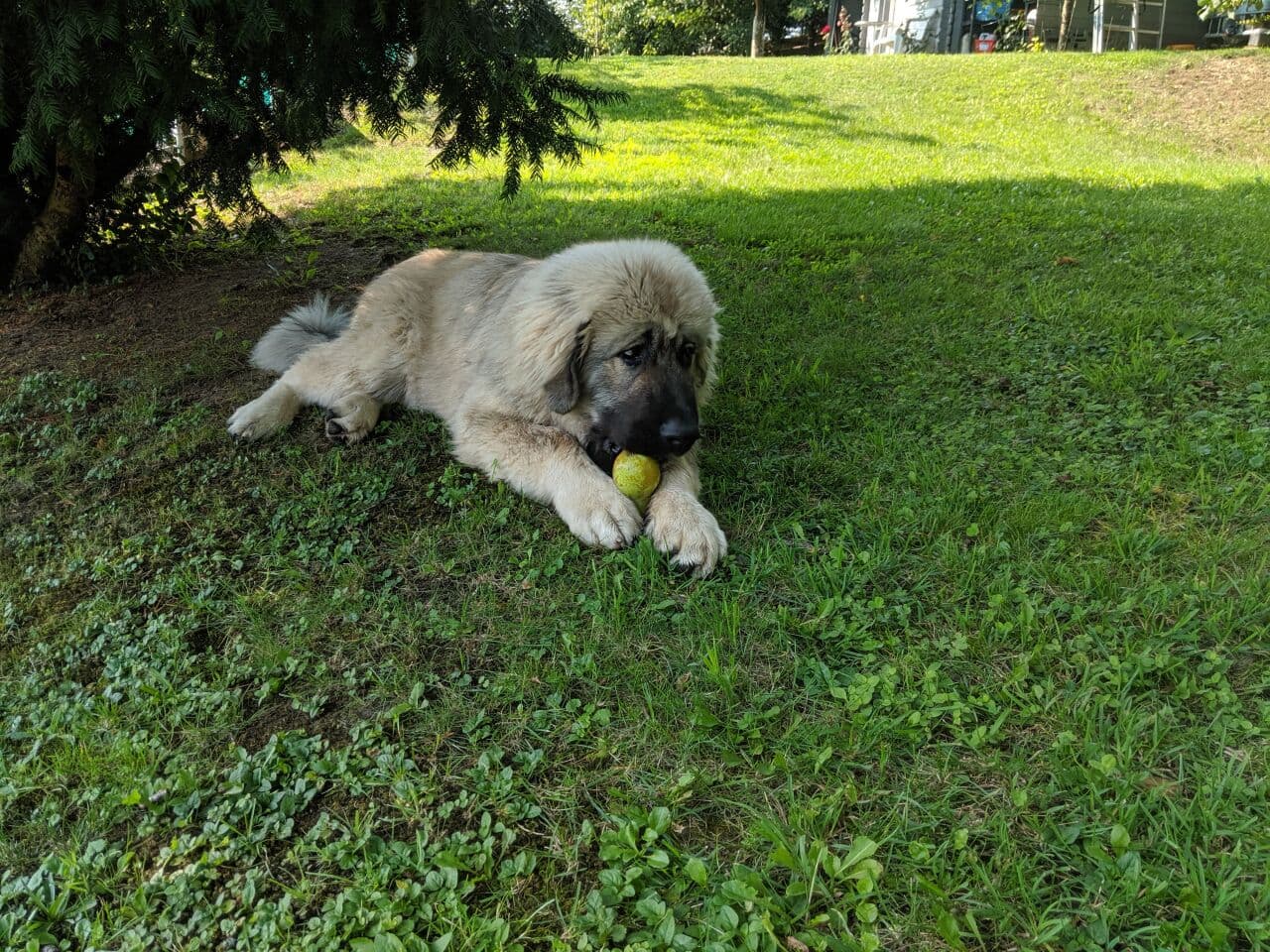
Caucasian Shepherd Dog
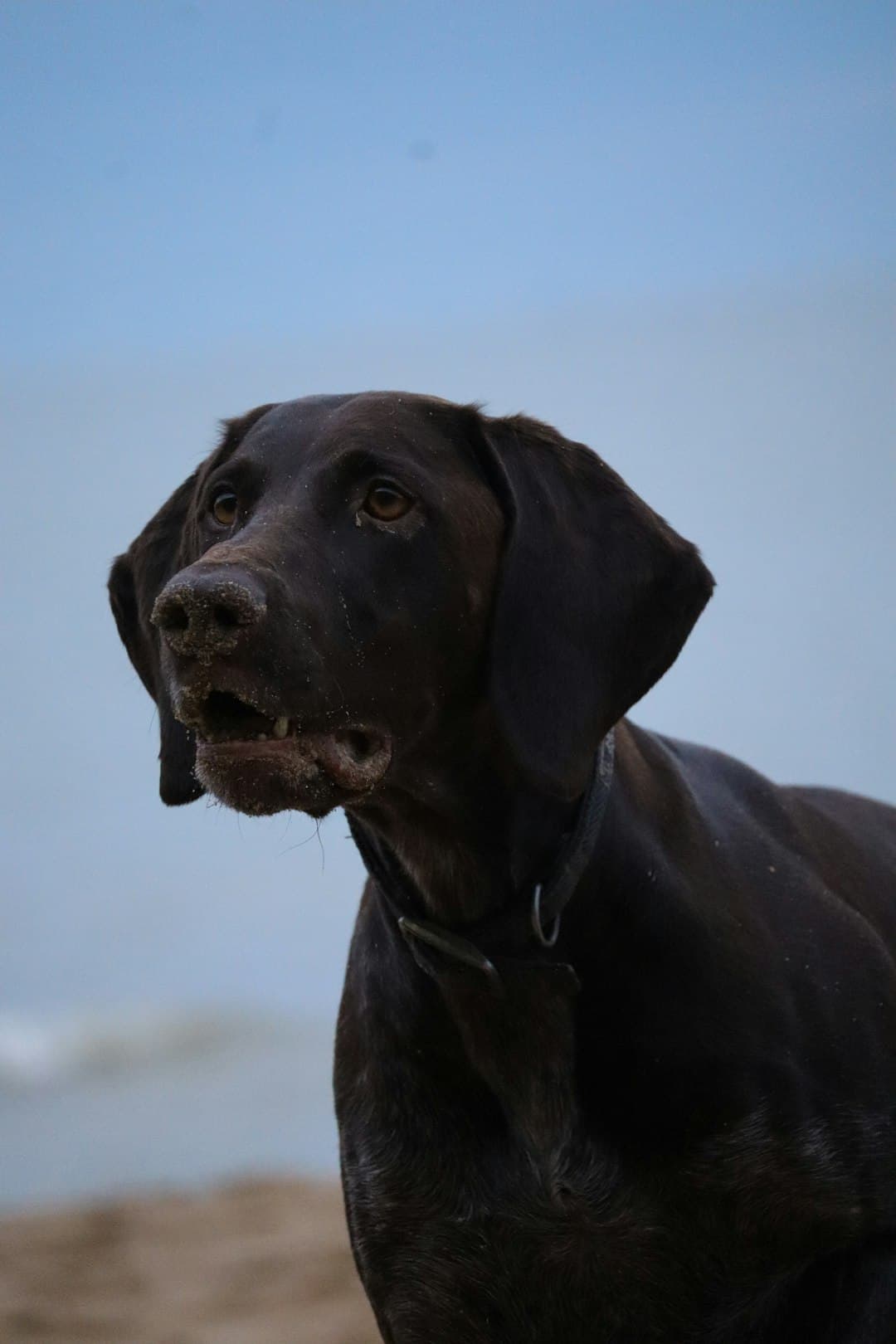
Chesapeake Bay Retriever
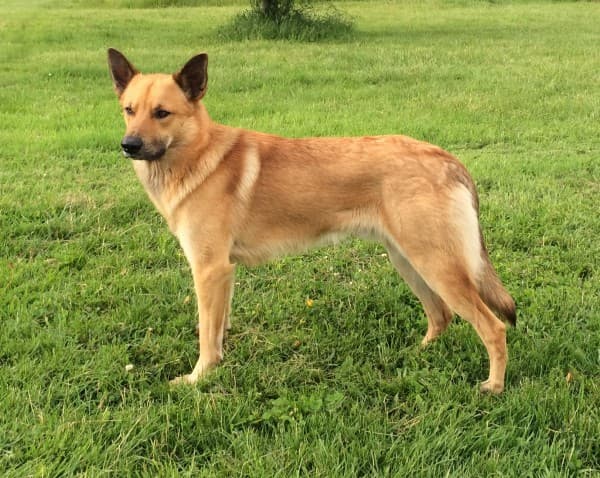
Chinook
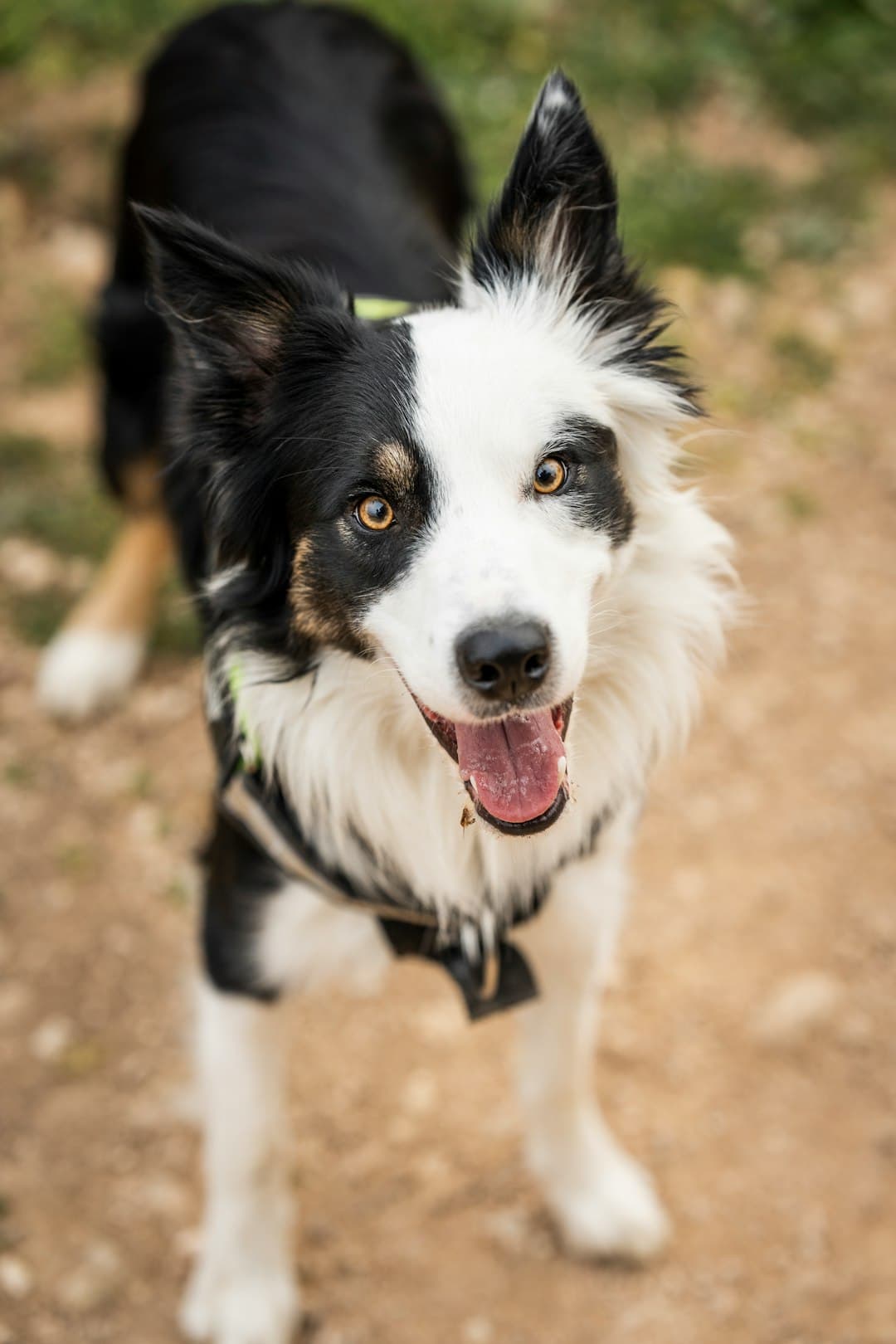
Collie
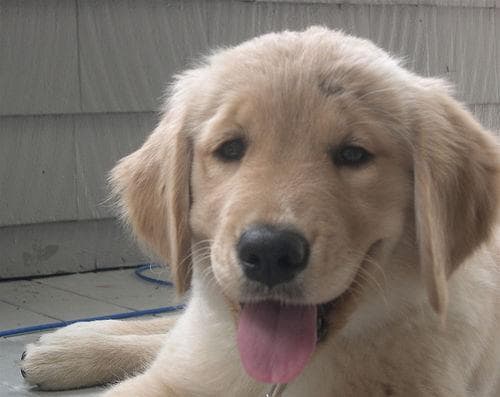
Curly Coated Retriever
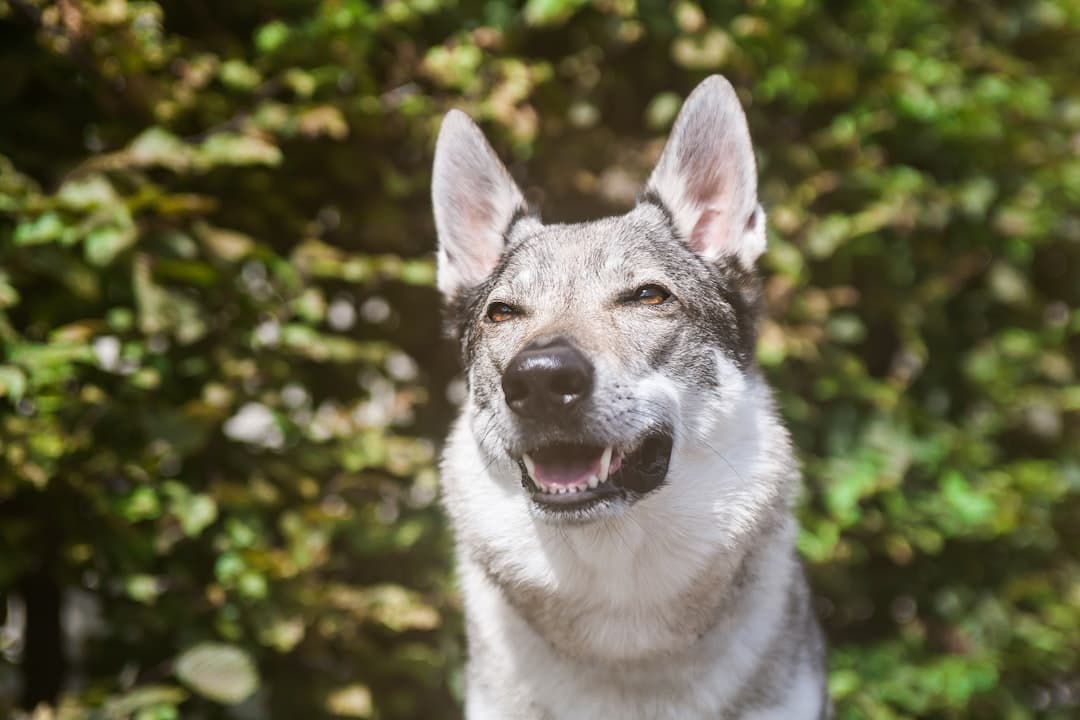
Czechoslovakian Wolfdog
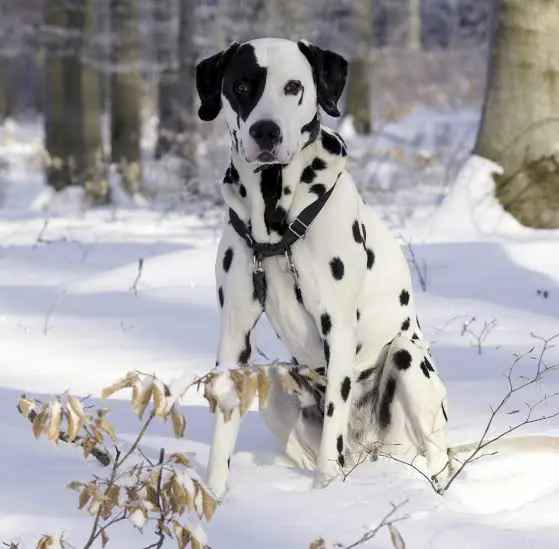
Dalmatian
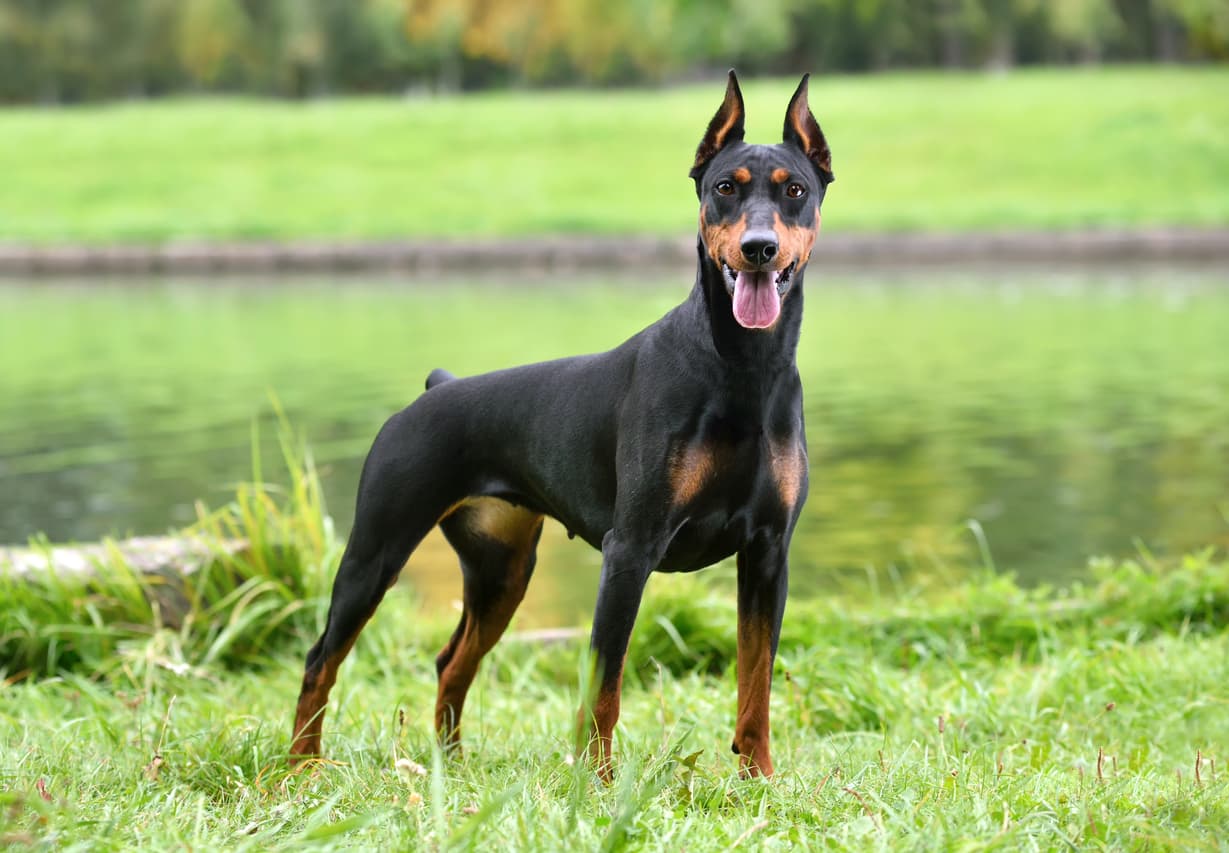
Doberman Pinscher
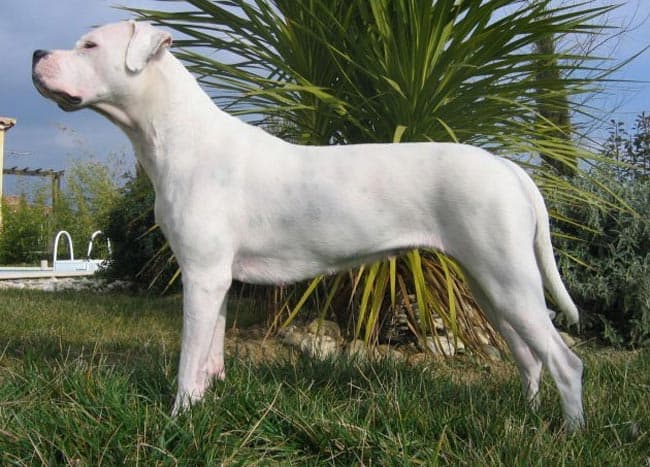
Dogo Argentino
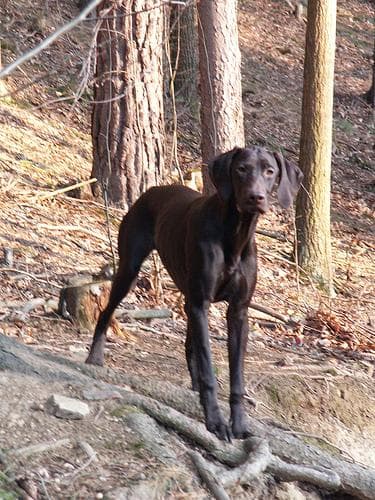
Duxer
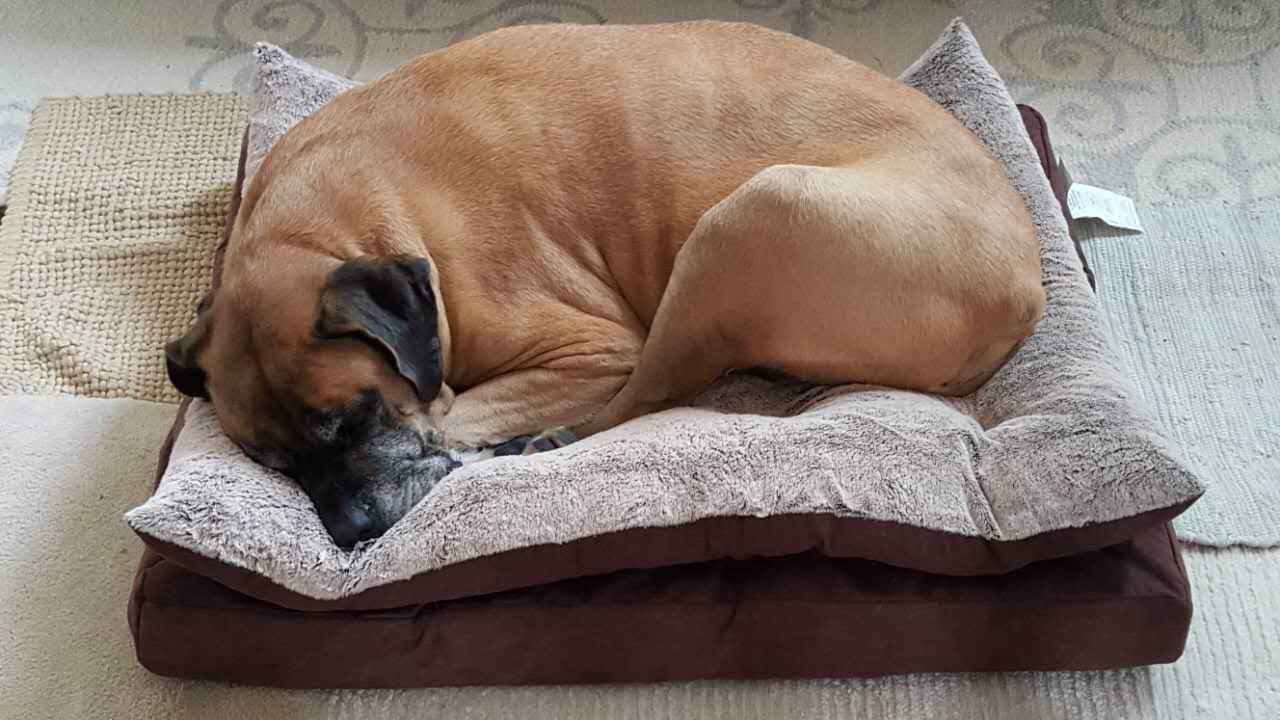
English Mastiff
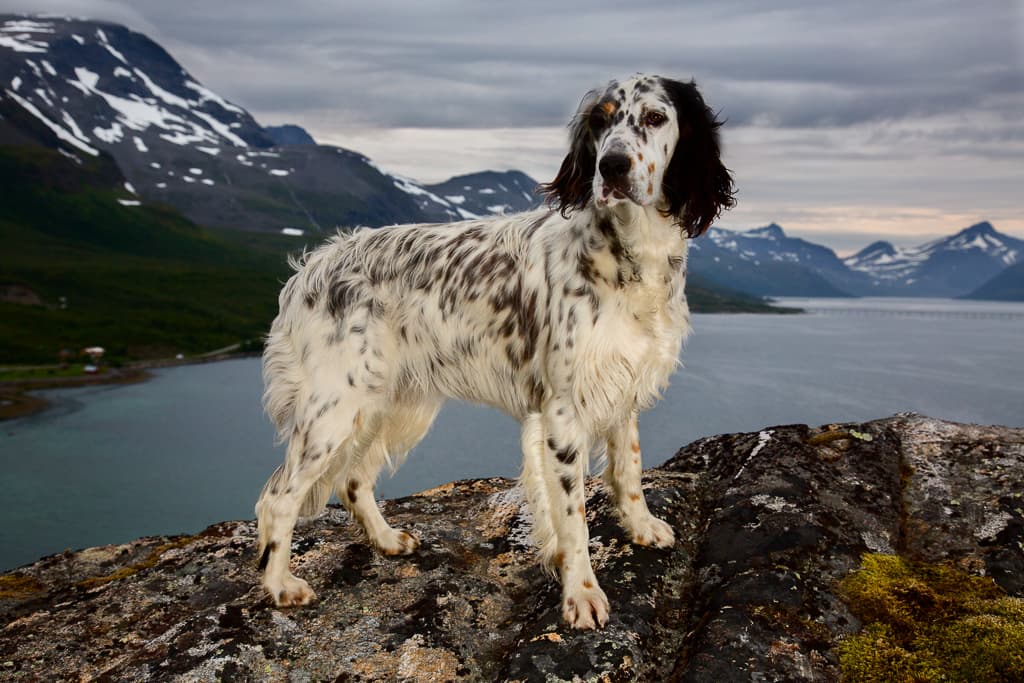
English Setter
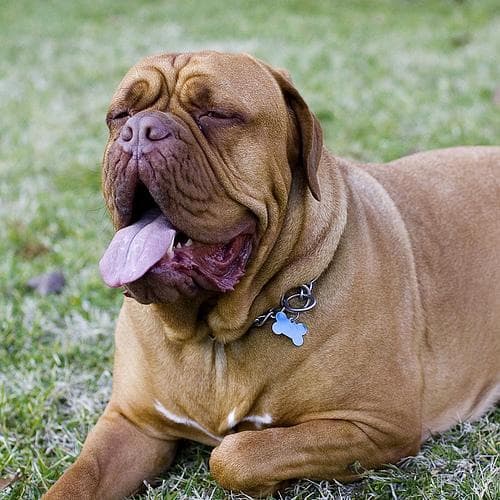
Fila Brasileiro
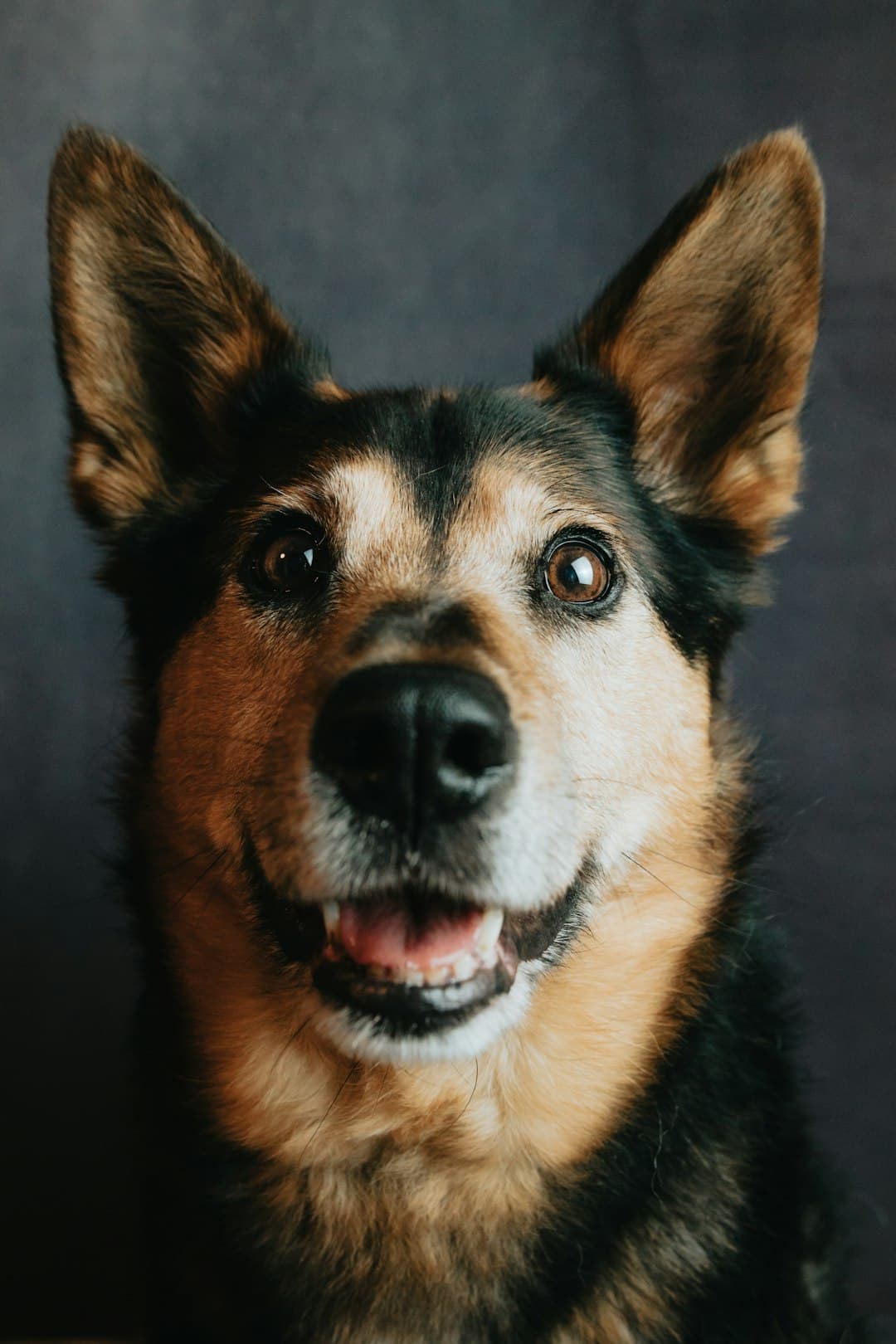
Flat Coated Retriever
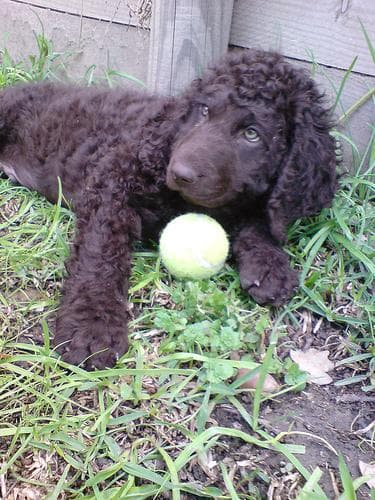
French Spaniel
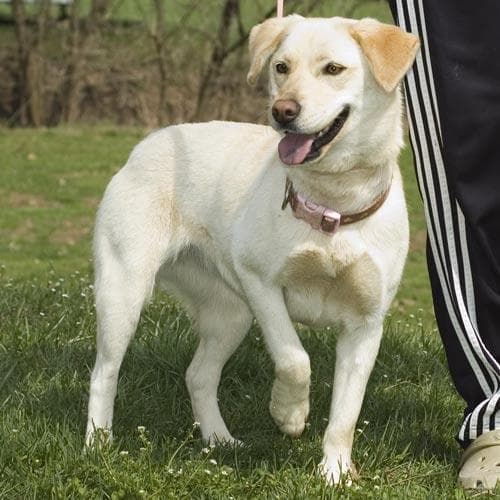
Gascon Saintongeois
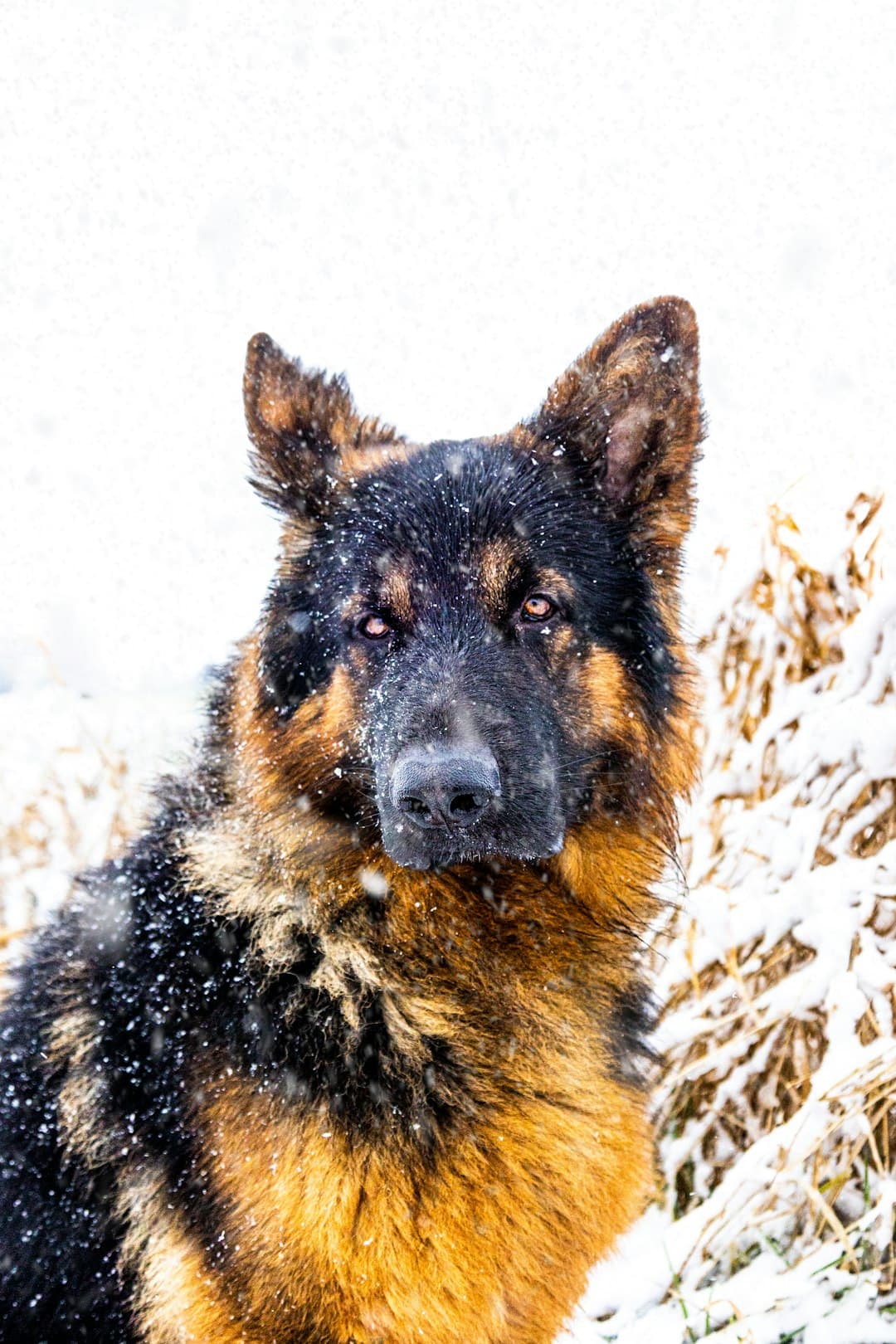
German Shepherd
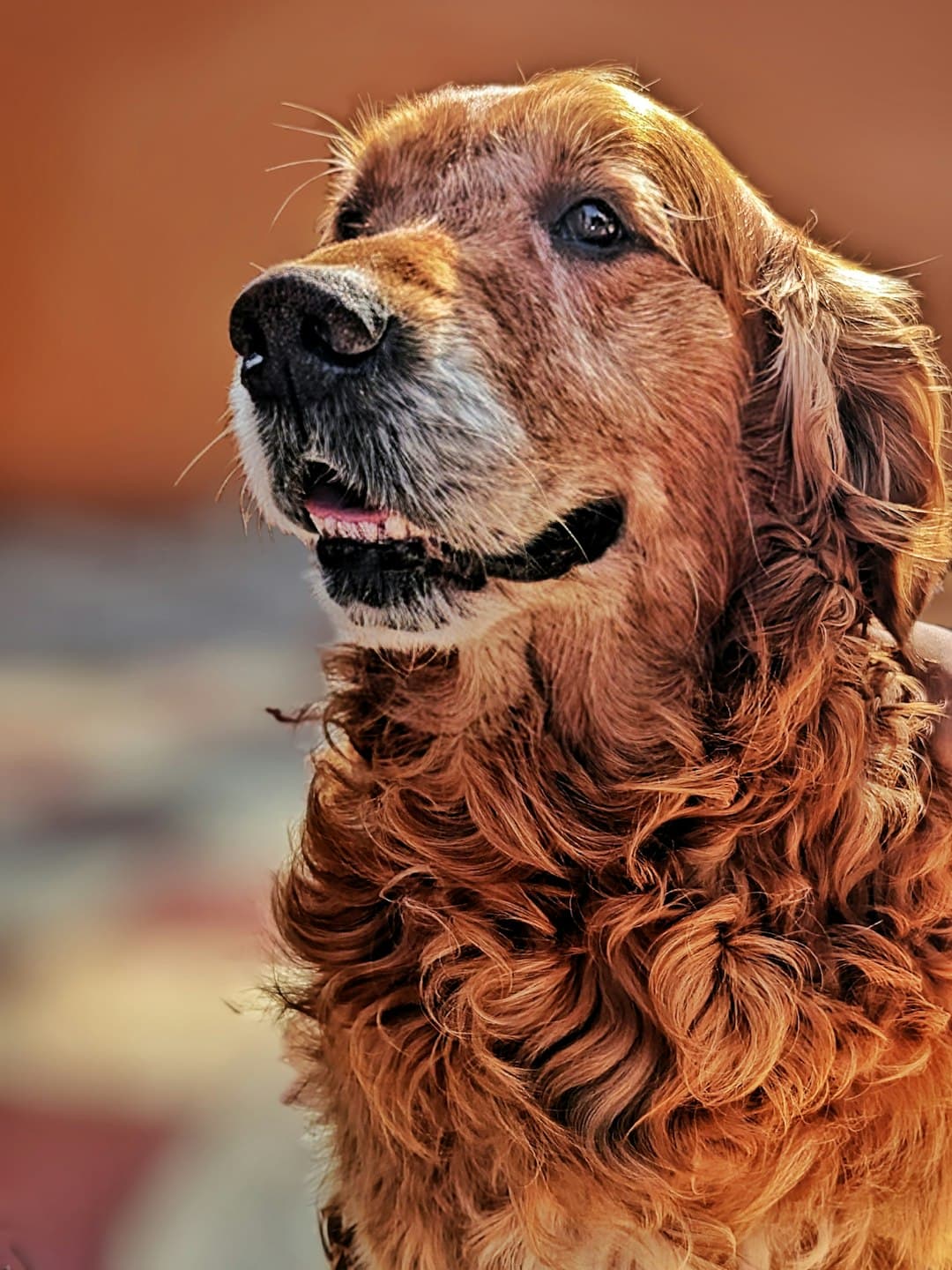
German Shorthaired Pointer
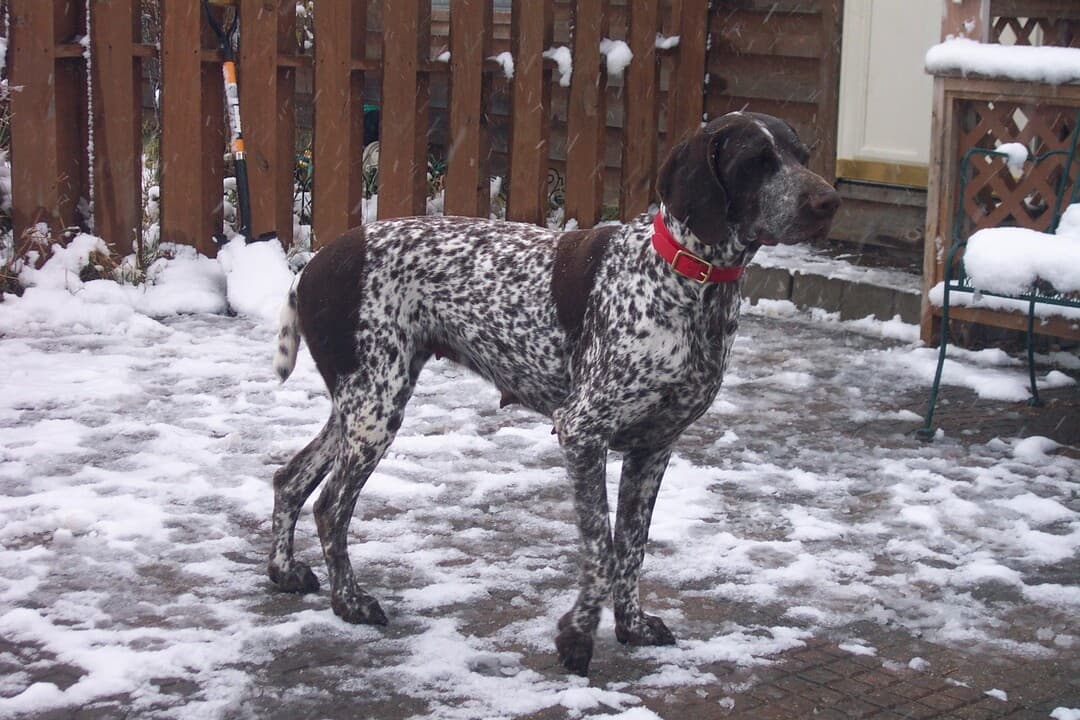
German Wirehaired Pointer
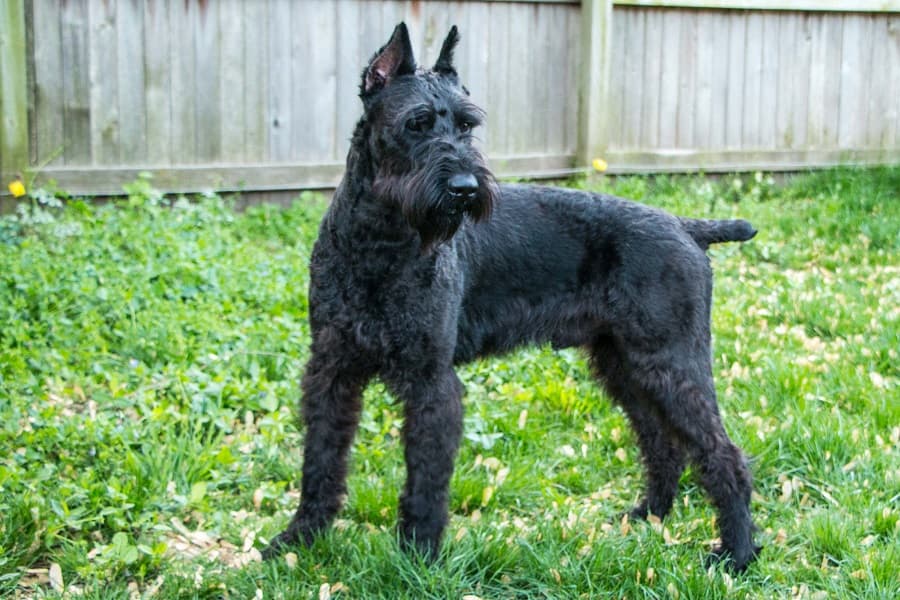
Giant Schnauzer
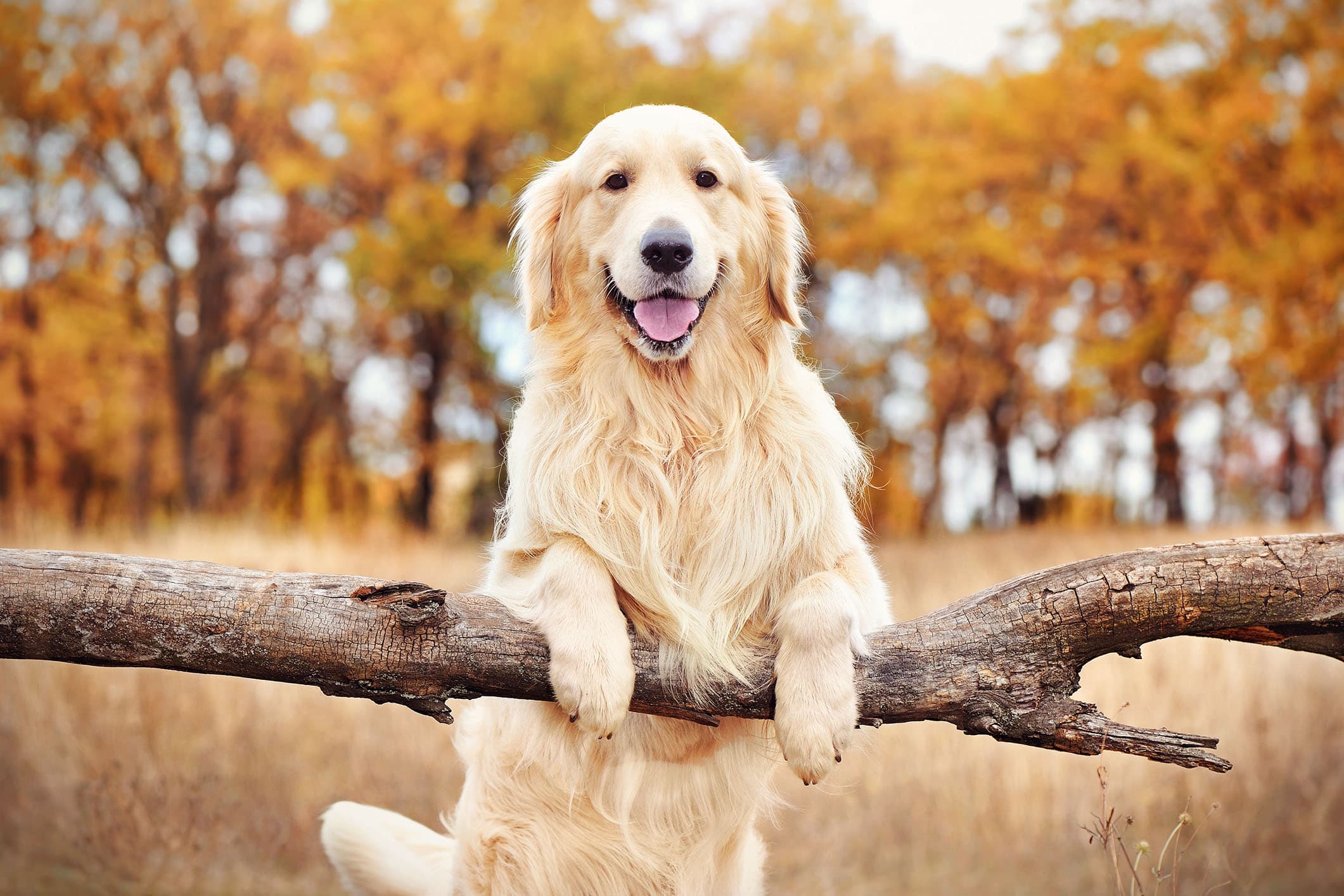
Golden Retriever
Goldendoodle

Great Dane
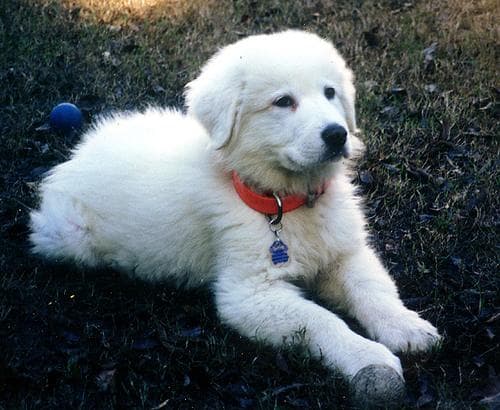
Great Pyrenees
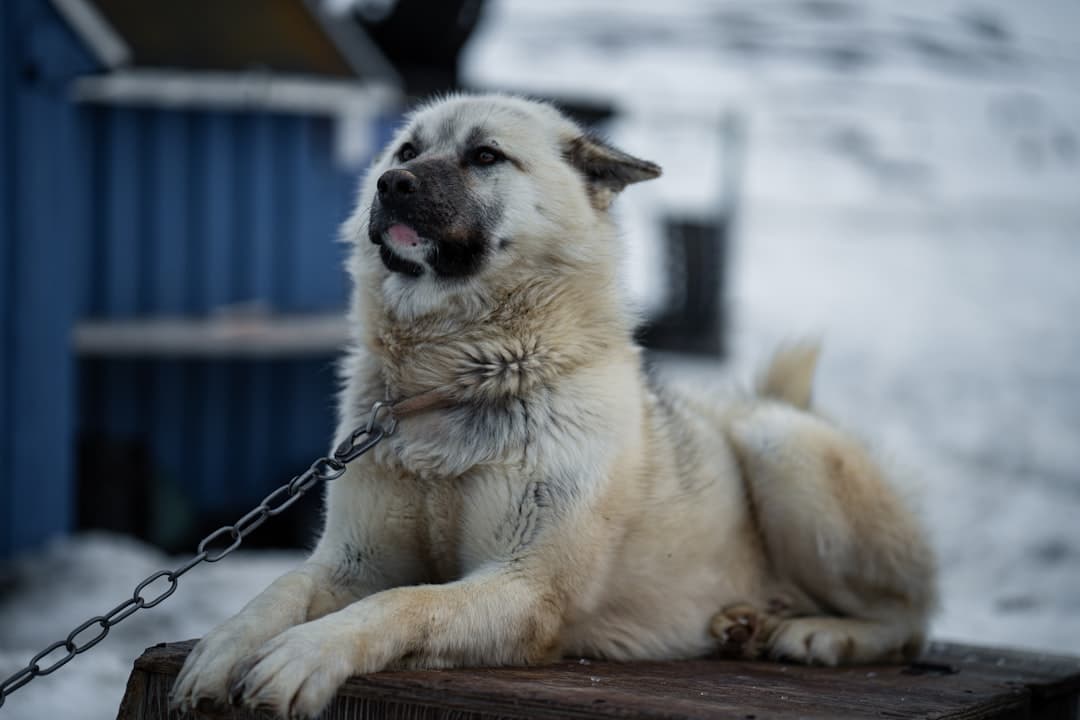
Greenland Dog
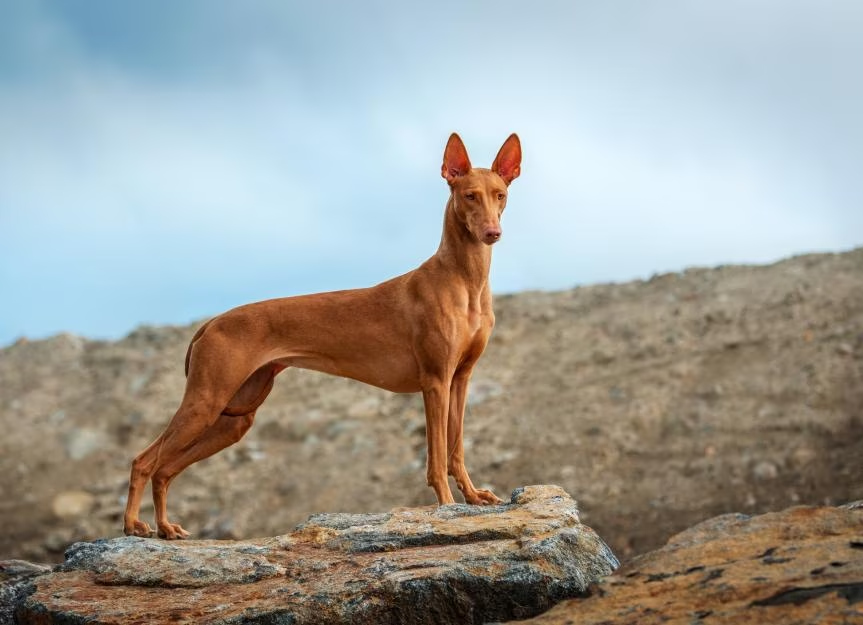
Greyhound
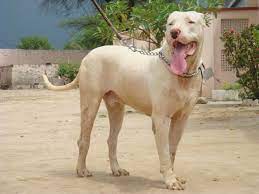
Indian Mastiff
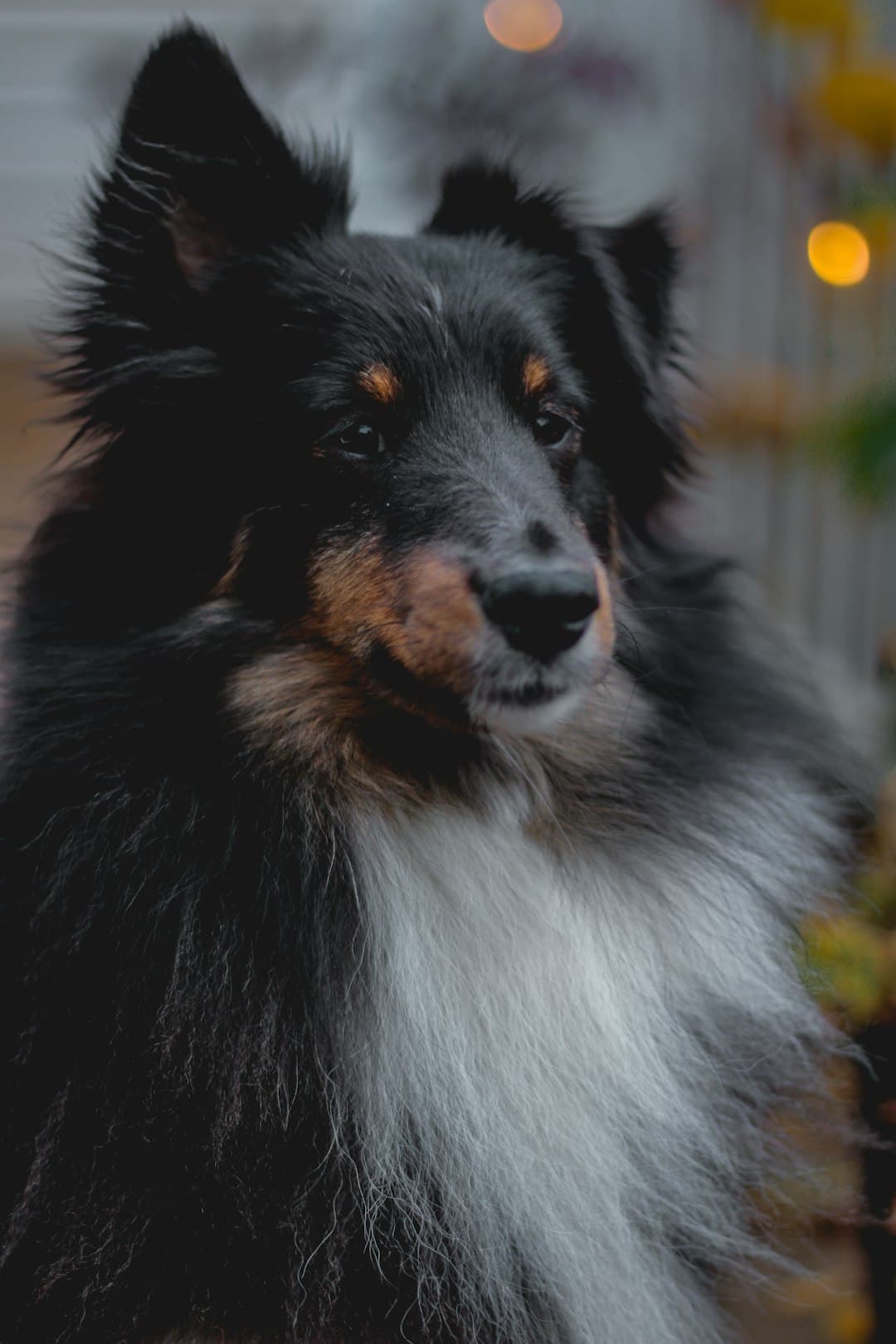
Irish Setter
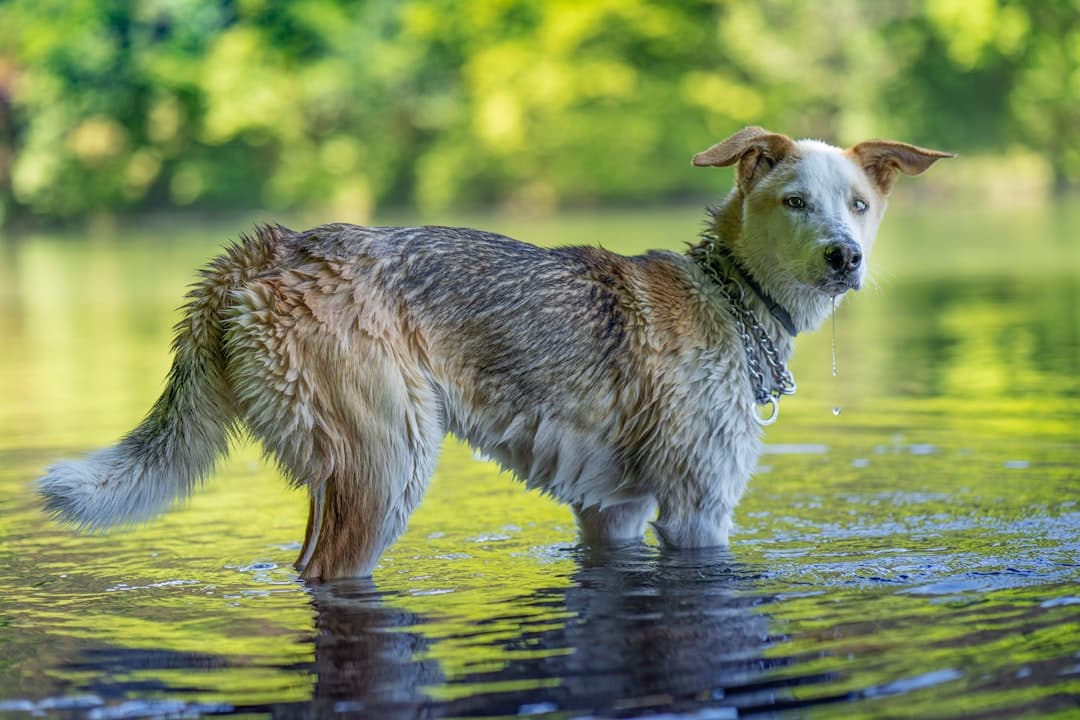
Irish Water Spaniel
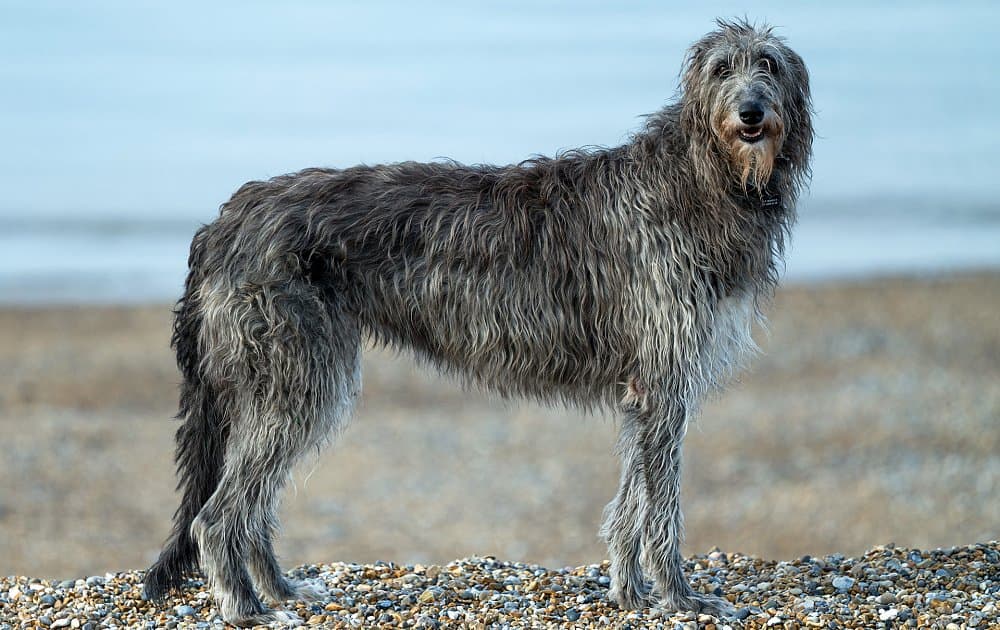
Irish Wolfhound
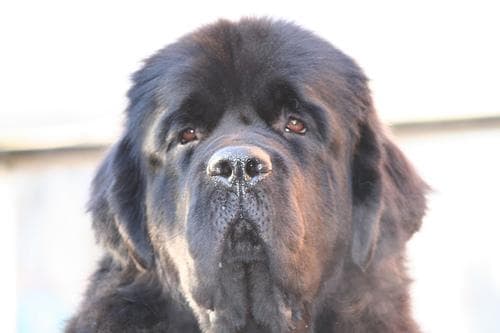
Kangal Dog
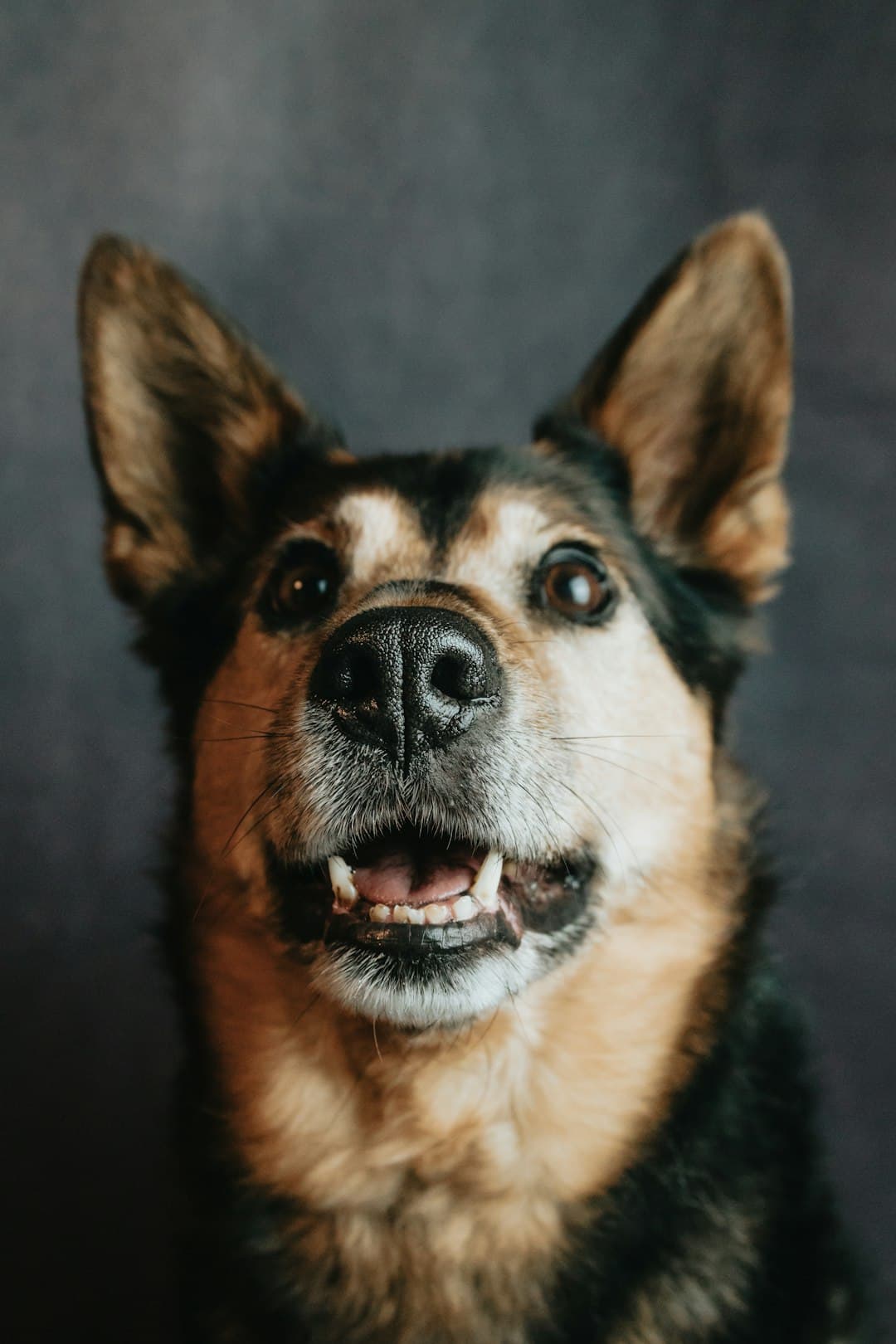
Labradoodle
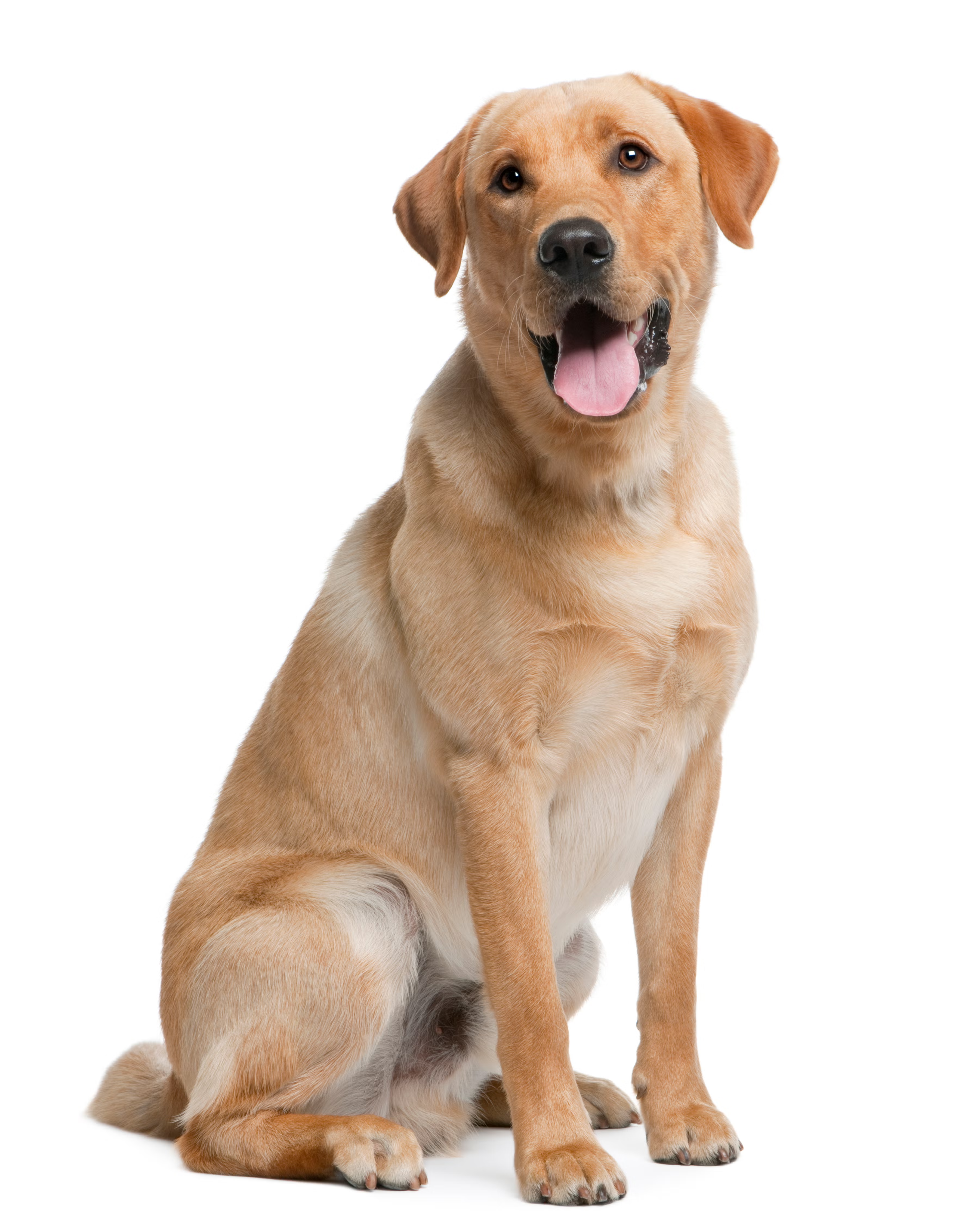
Labrador Retriever
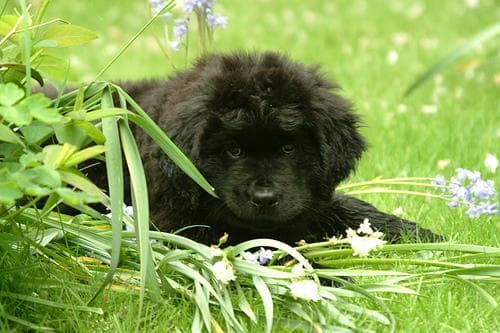
Landseer
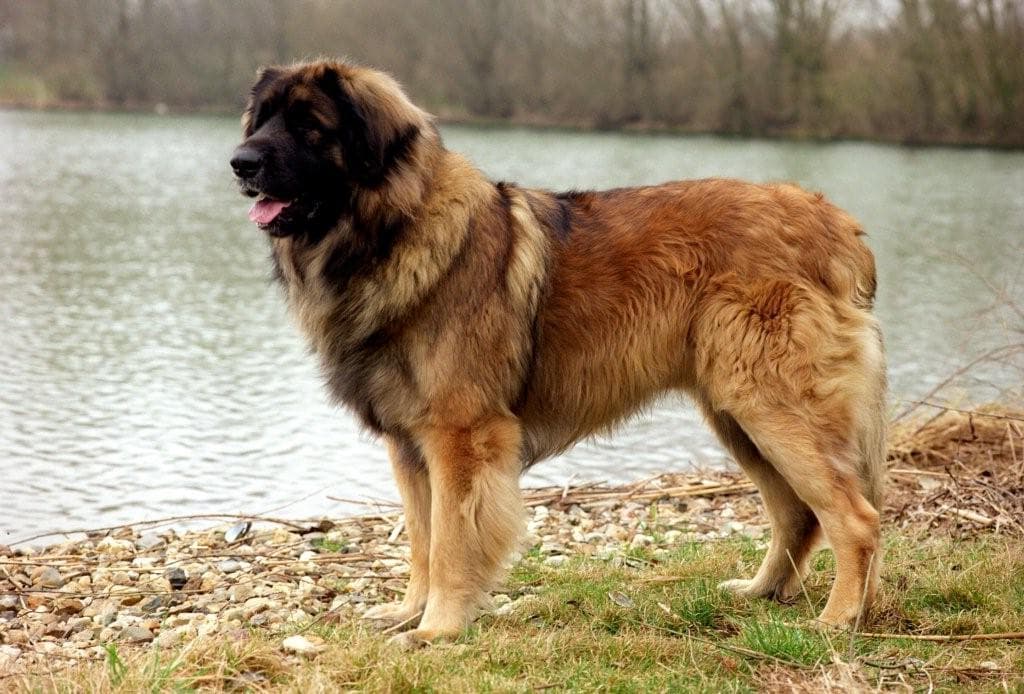
Leonberger

Mackenzie River Husky
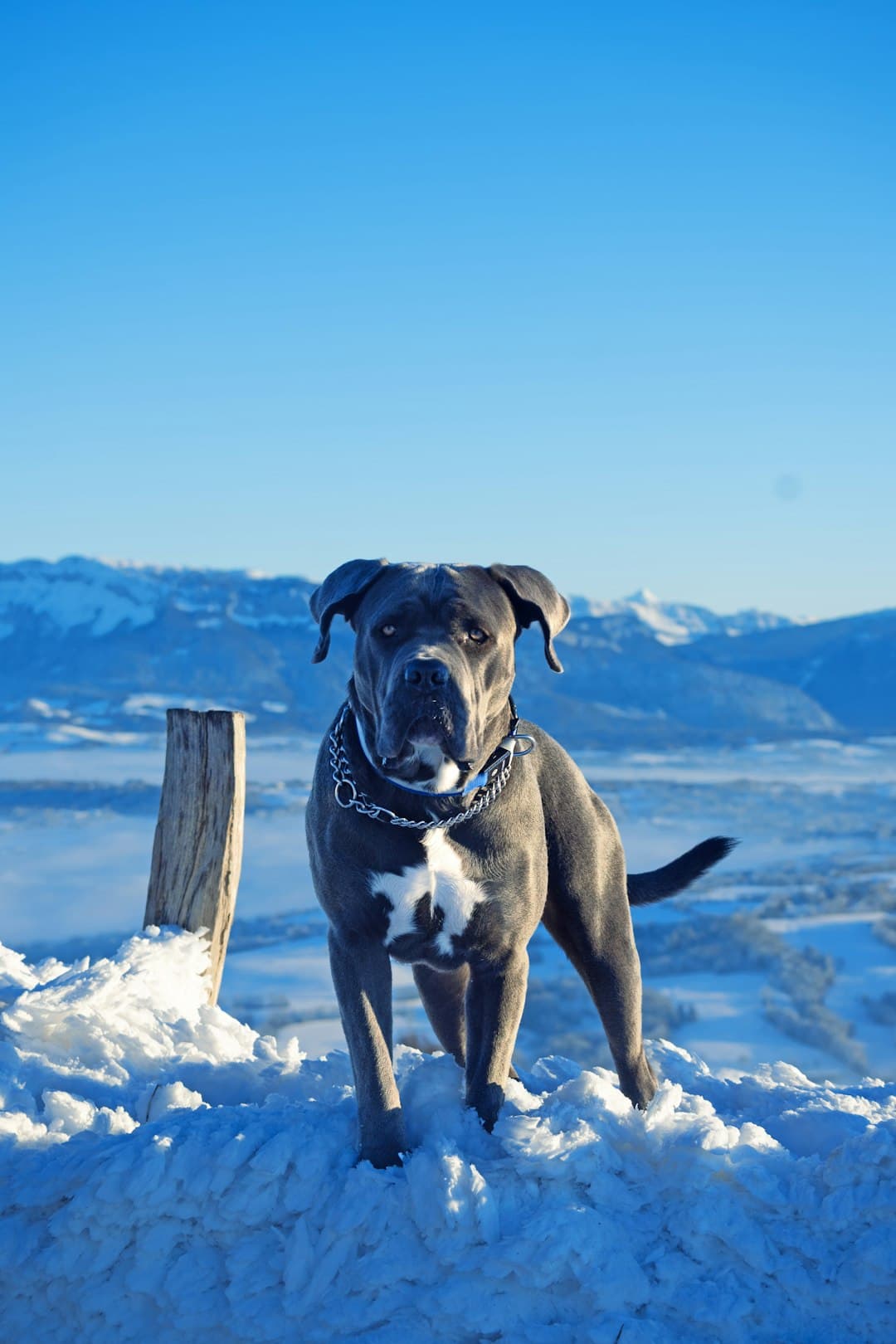
Mastiff

Navarra Pointer
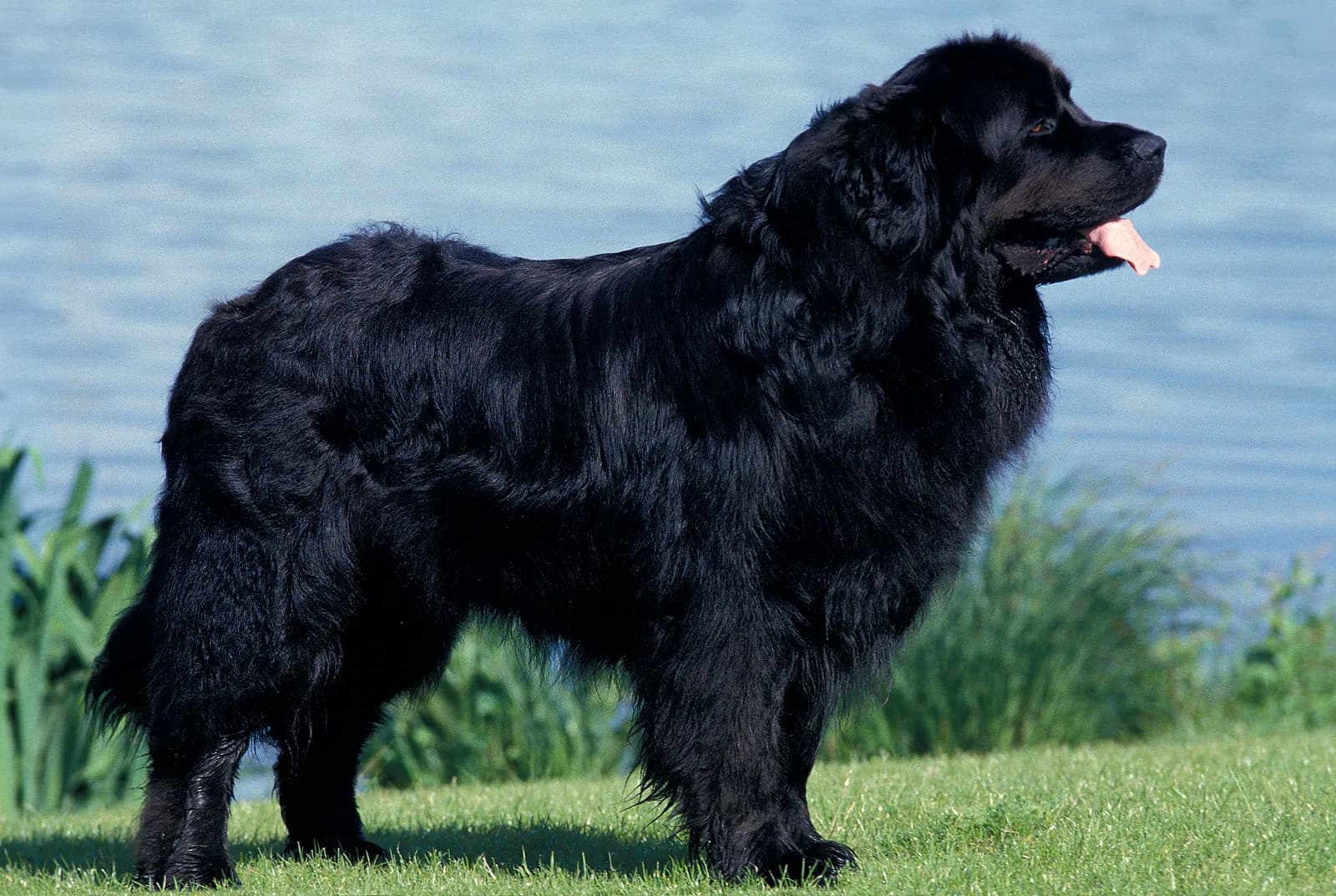
Newfoundland
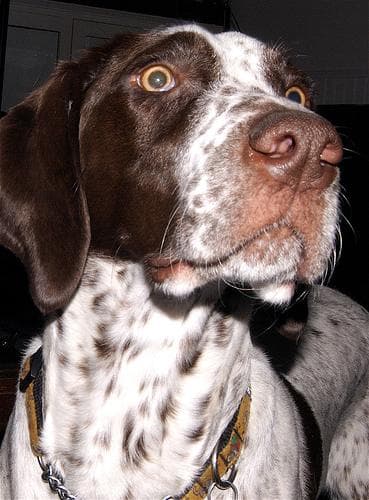
Perdiguero de Burgos
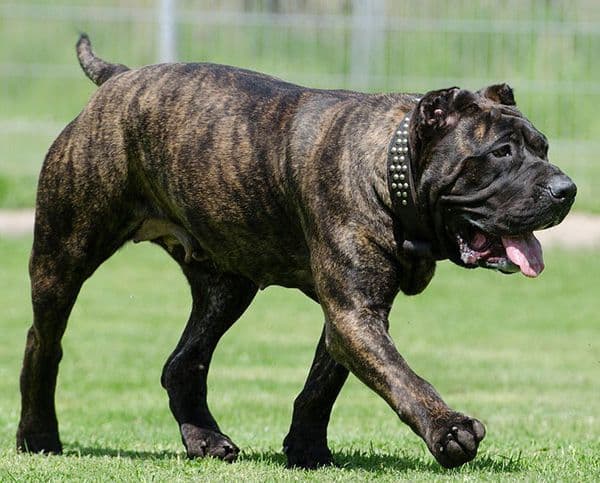
Perro de Presa Canario
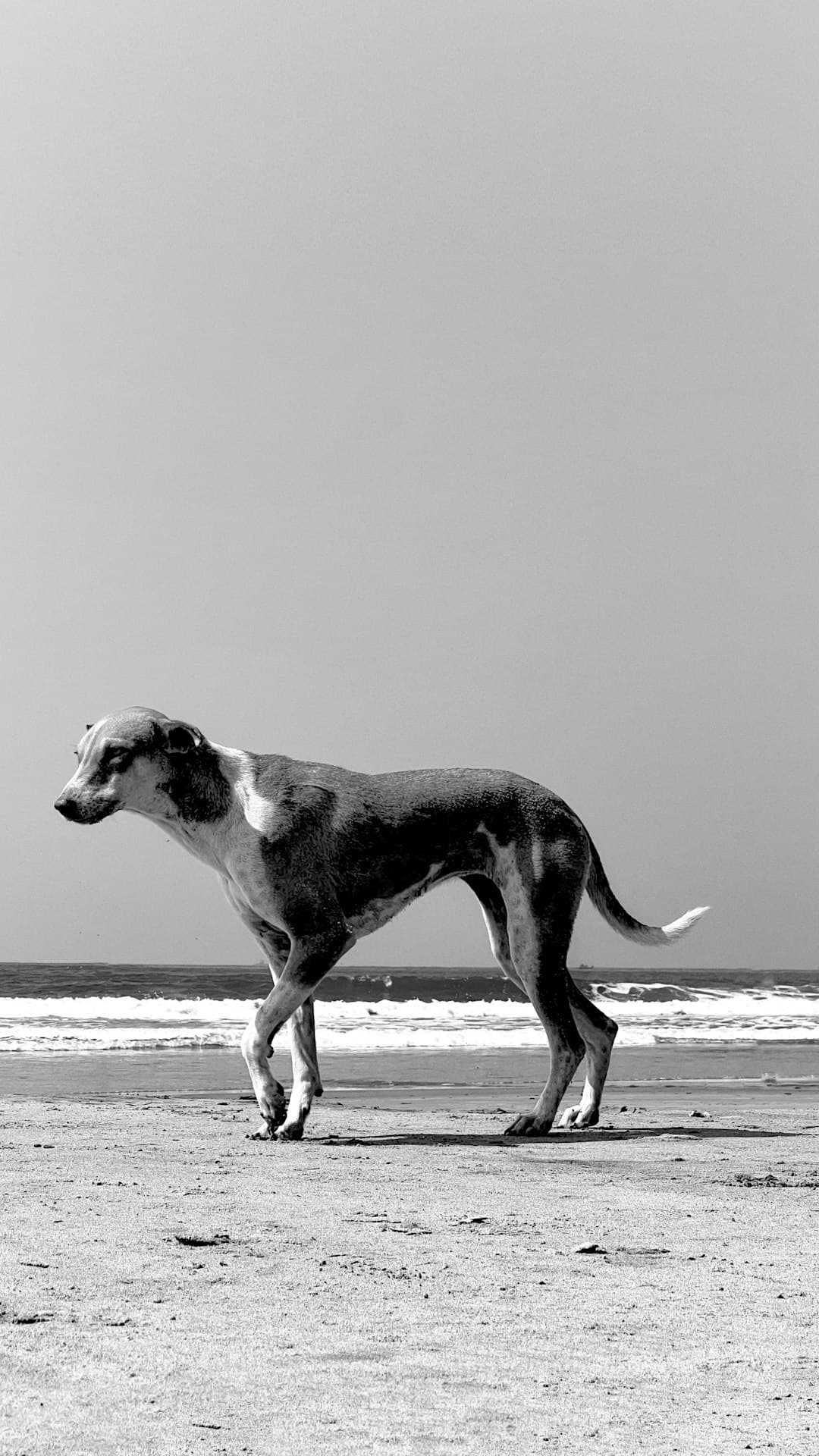
Pointer

Poitevin

Poodle (Standard)
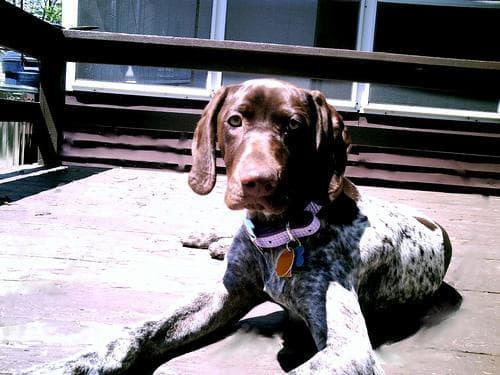
Portuguese Pointer
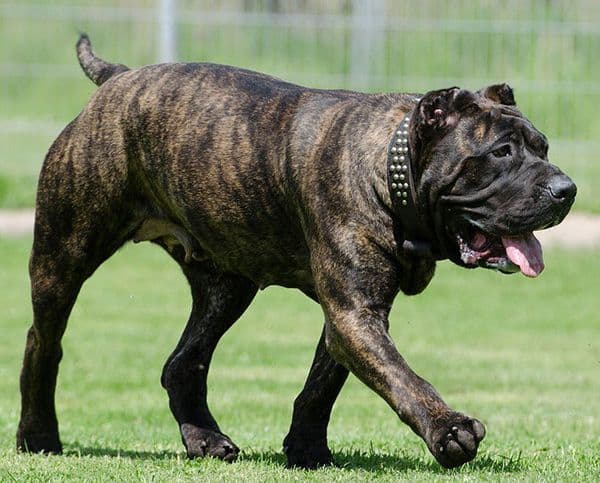
Presa Canario
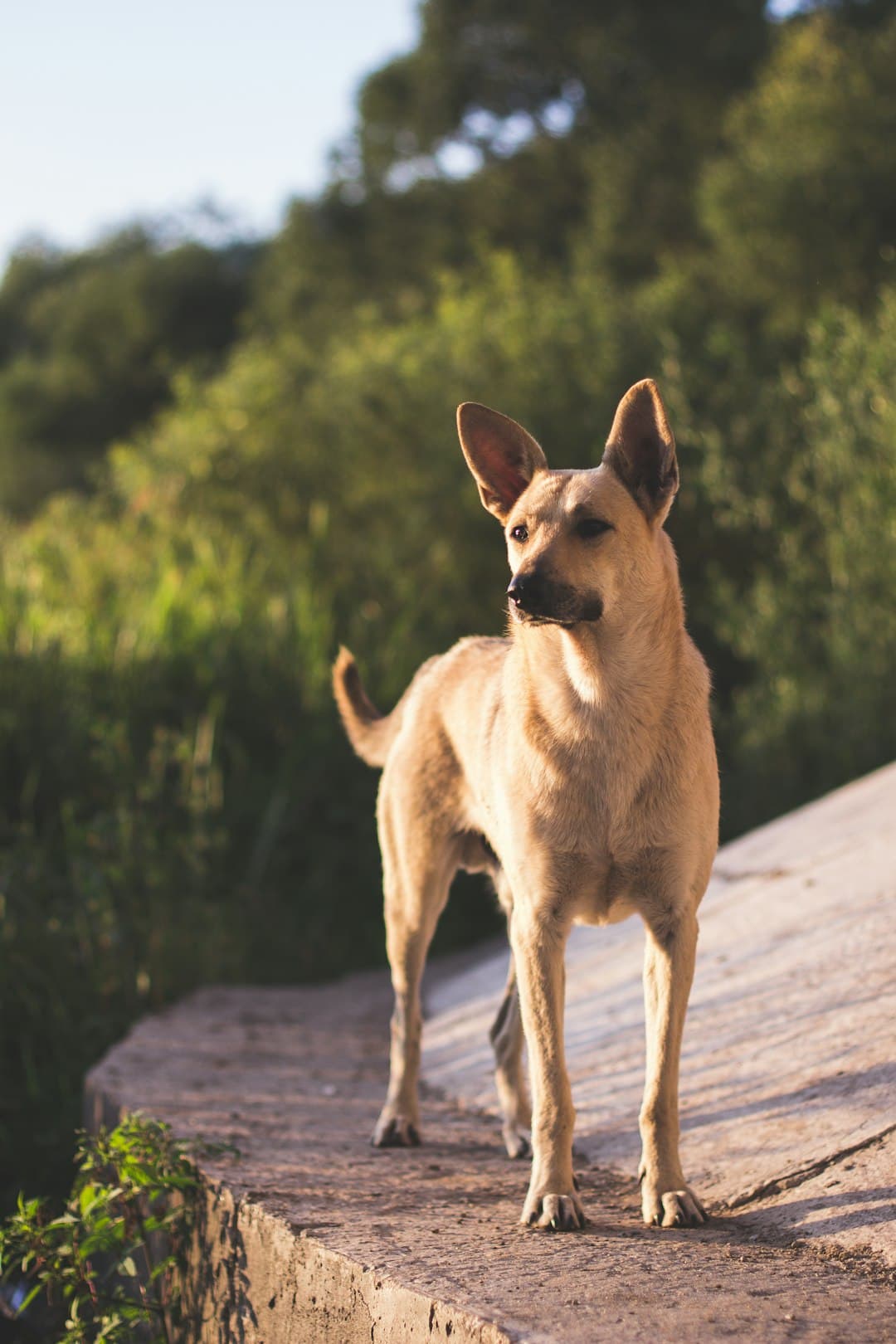
Rhodesian Ridgeback
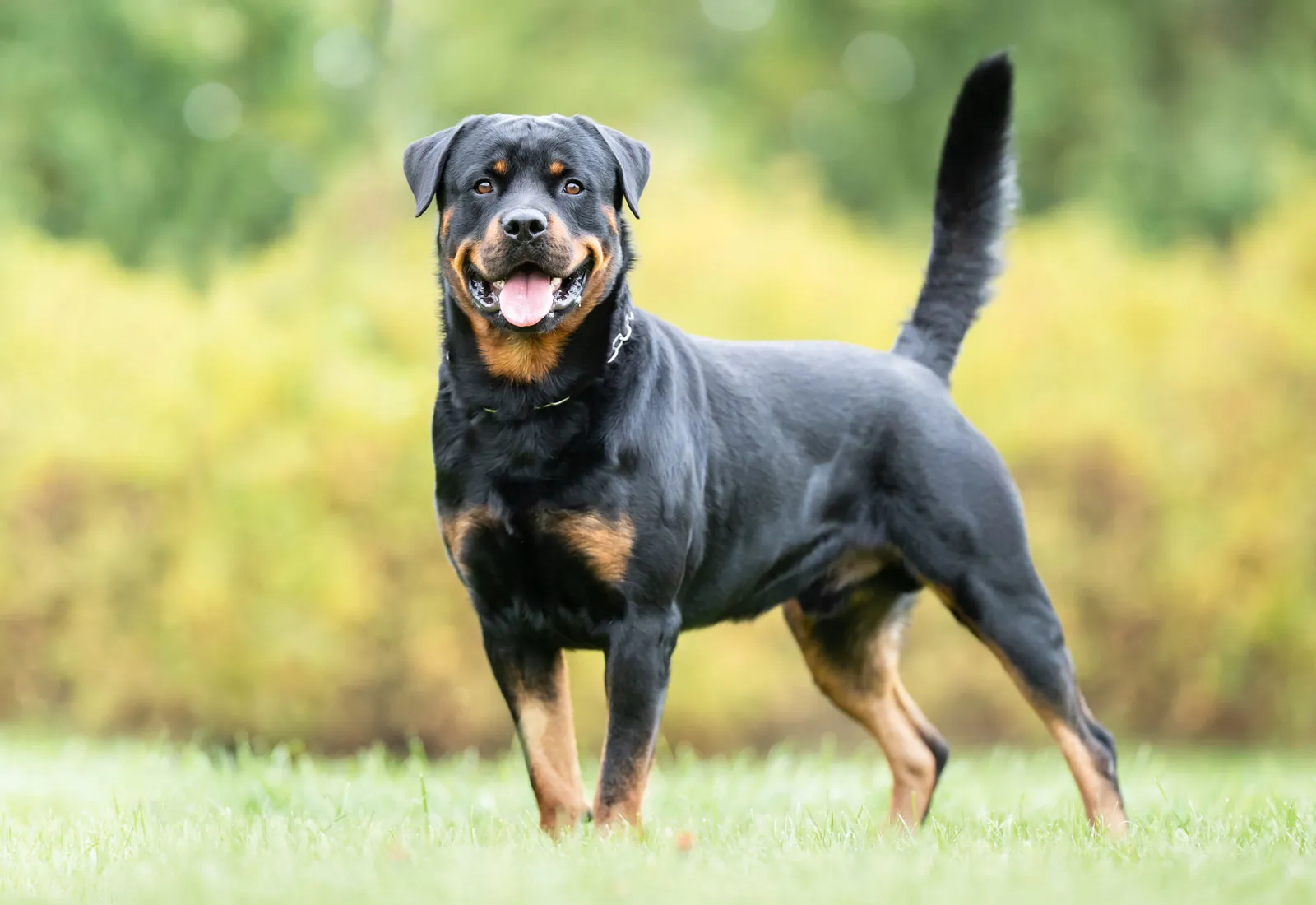
Rottweiler

Saarloos Wolfdog
Saint Bernard
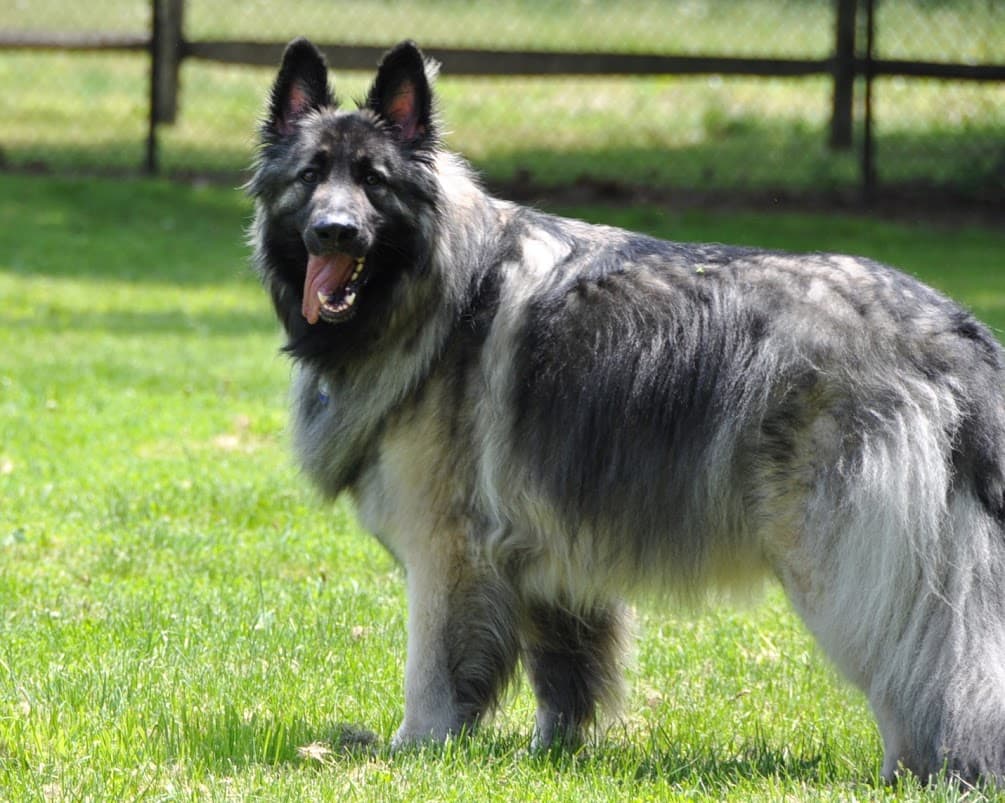
Shiloh Shepherd
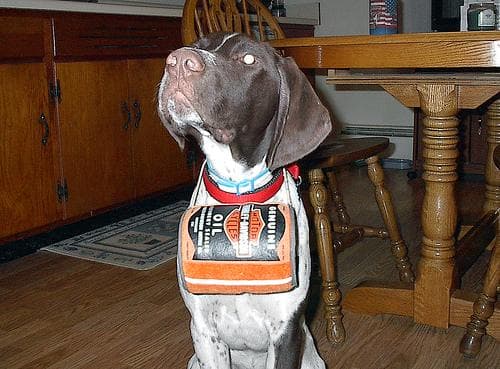
Slovakian Rough-haired Pointer
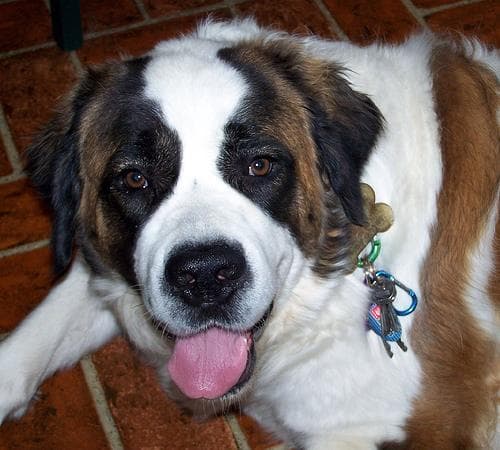
Stbernard
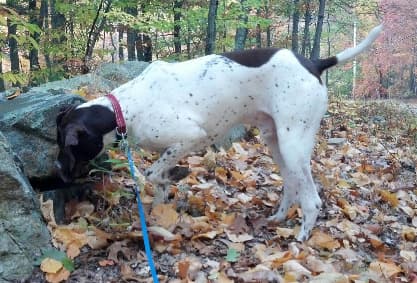
Stichelhaar
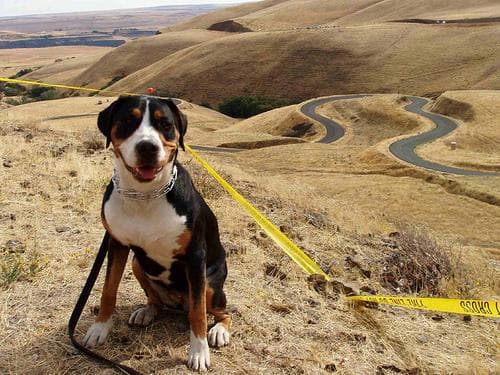
Swiss Mountain

Tamaskan
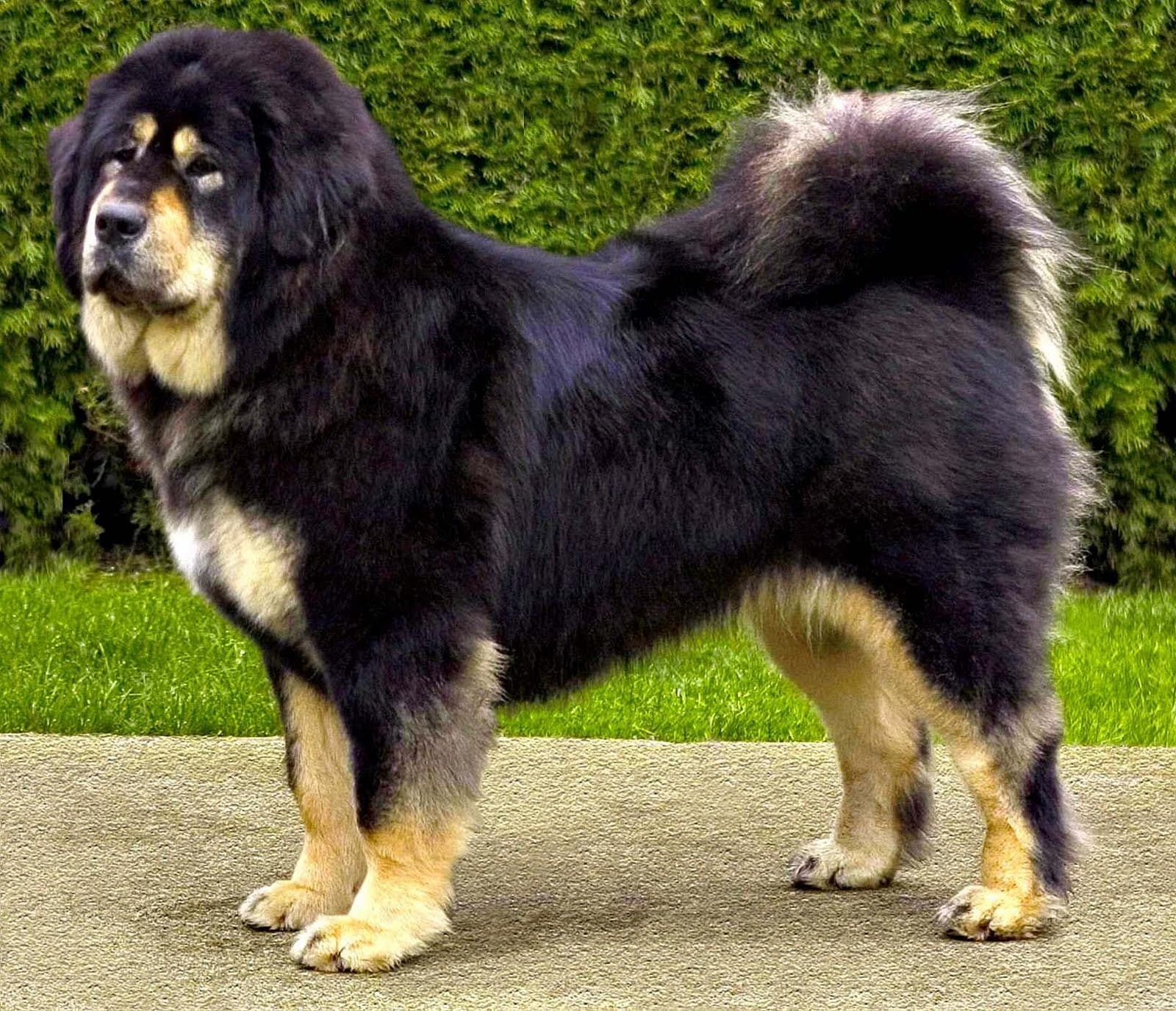
Tibetan Mastiff

Tosa Inu
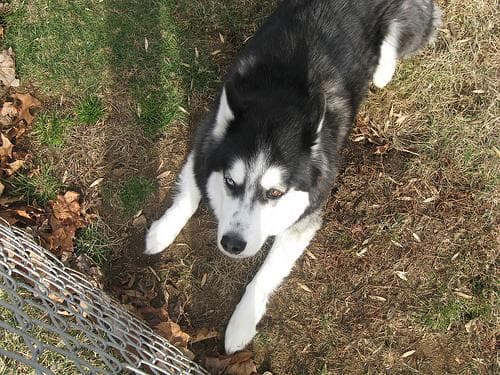
Utonagan
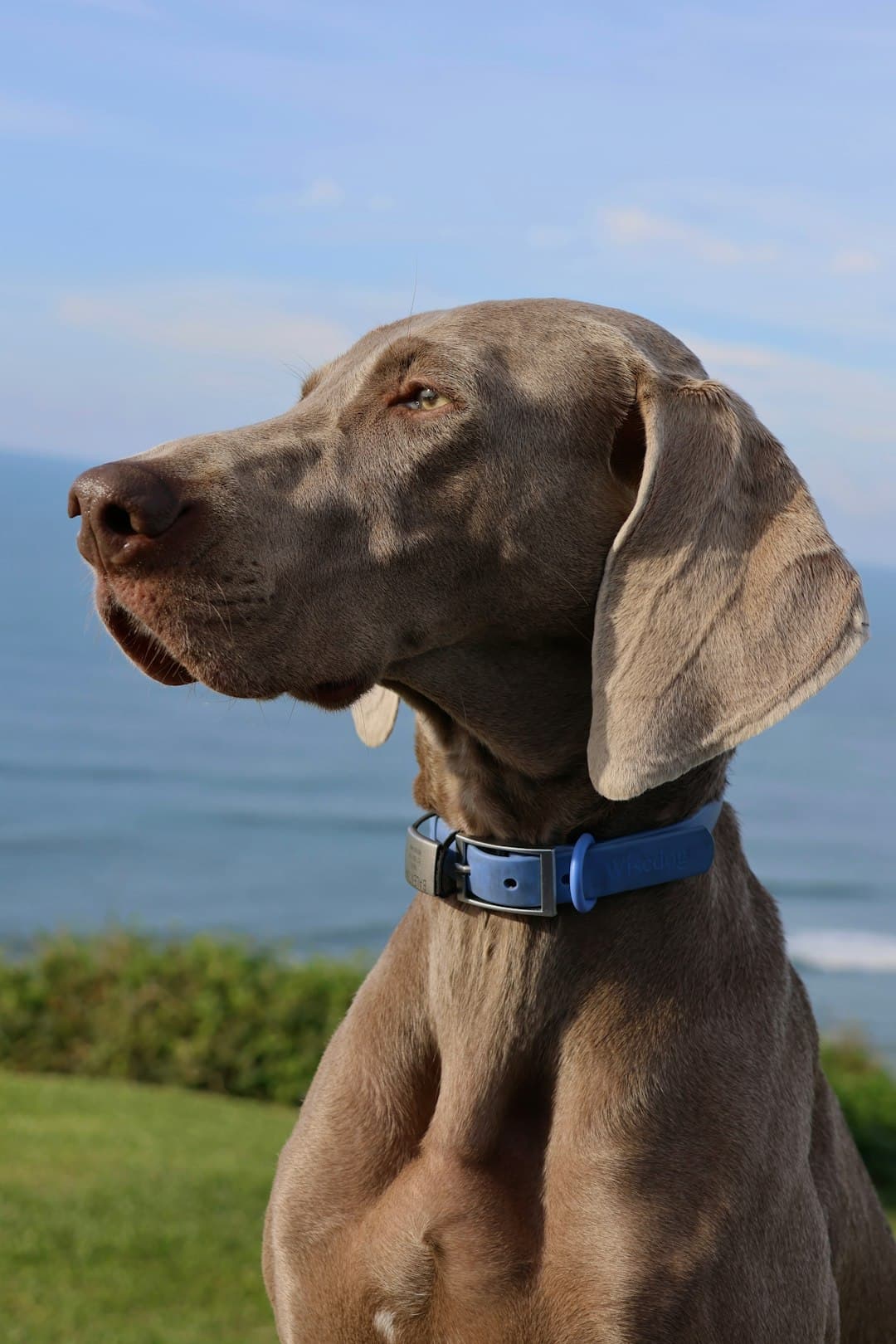
Weimaraner
Frequently asked questions
What qualifies as a large dog breed?
On PawPedia, large breeds are those tagged large—typically dogs that mature well above medium companions, often 60+ pounds depending on sex and standard. This includes many Working, Herding, Sporting, and Hound breeds such as German Shepherds, Labs, Goldens, and mastiff-types.
Do large dogs need a yard?
A securely fenced yard helps many large breeds, but daily structured exercise matters more than yard size alone. An under-exercised large dog in a big yard can still be frustrated; a committed owner with parks and training can succeed in smaller homes for some breeds.
Why do large breeds often live shorter lives?
Population studies and veterinary education materials generally find that larger body size associates with shorter average lifespan than toy/small breeds. Individual care, genetics, and weight management still strongly influence outcomes.
References
This guide summarizes publicly available breed-standard and veterinary education sources. Always consult your veterinarian for individual care.
- [1]Dog Breed Groups — American Kennel Club
- [2]Hip Dysplasia — Orthopedic Foundation for Animals
- [3]Elbow Dysplasia — Orthopedic Foundation for Animals
- [4]How Long Will Your Dog Live? Size Matters — American Kennel Club
- [5]Large Breed Puppy Nutrition (overview) — American Kennel Club