PawPedia breed guide
Toy Dog Breeds
A practical guide to the AKC Toy Group—what these tiny companions are bred for, how to care for them well, and which breed profiles to explore next.
25 breeds · Updated 2026-08-15
Toy dog breeds are the pocket-sized end of the canine spectrum: dogs developed primarily as companions. The American Kennel Club’s Toy Group collects breeds whose standards emphasize small stature and close human partnership—from the bold Chihuahua to the silky Yorkshire Terrier and the affectionate Cavalier King Charles Spaniel.
This guide explains how toy breeds are defined, what daily life with one really looks like, health topics veterinarians watch closely, and a curated list of toy profiles on PawPedia. Citations appear in the References section.
What are toy dog breeds?
Kennel clubs organize breeds into groups that reflect historical purpose. The AKC’s breed groups overview places companion-focused miniatures in the Toy Group. That is more precise than calling every small dog a “toy”—a Beagle may be compact but belongs with hounds, while a Toy Poodle is grouped with toys (and Standard/Miniature Poodles sit in Non-Sporting).
Most toy standards describe adults well under 20 pounds, often closer to 4–12 pounds, with height and proportion rules that protect type. “Teacup” is not an official designation; seeking the absolute smallest puppies can select against sound structure.
Popular toys you will see often
- Chihuahua — tiny, alert, deeply bonded to their people
- Yorkshire Terrier — big terrier attitude in a glamorous coat
- Pomeranian — fox-faced spitz energy and a plush double coat
- Cavalier King Charles Spaniel — gentle lap spaniel popular with families
- Toy Poodle — highly trainable, low-shedding coat when groomed regularly
Who toy breeds suit best
Toy dogs shine for people who want a portable companion, live in an apartment or condo, or prefer lower food costs and easier lifting for travel and senior years. Many are content with shorter walks plus indoor play—though “small” never means “no exercise.”
They are not automatically ideal for every household with toddlers. Fragile bones and low body mass mean rough play can injure a toy dog quickly. Homes with respectful older children, or adults who supervise closely, are a safer fit. Consistent training prevents the so-called “small dog syndrome” where barking and reactivity go unchecked because the dog is easy to pick up instead of train.
Lifestyle checklist
- You can protect them from falls, larger dogs, and unsupervised kids
- You will budget for dental cleanings and quality food in small portions
- You accept that some toys are vocal watchdogs
- You will socialize early so the world feels safe, not scary
Care, training, and daily life
Exercise. Short leash walks, hallway fetch, and puzzle toys cover many toys’ needs. High-drive toys (Yorkies, Min Pins, some Pomeranians) still need structured outlets so they do not invent their own jobs—usually barking at the hallway.
Training. Positive reinforcement works excellently. House-training can take longer than with larger breeds because tiny bladders empty faster; crate routines and frequent outdoor trips help.
Grooming. Long-coated toys (Yorkie, Maltese, Shih Tzu, Pomeranian) need frequent brushing or professional grooming. Even short-coated toys benefit from routine nail trims—long nails alter gait and can worsen kneecap issues.
Dental care. Crowded tiny mouths trap plaque. The AVMA’s pet dental care guidance stresses home brushing and professional cleanings; periodontal disease is among the most common preventable issues in small dogs.
Health realities for toy dogs
Smaller body size correlates with longer average lifespans than giant breeds, as summarized in educational pieces such as the AKC’s overview of how long dogs live—but longevity is not a free pass on care.
Patellar luxation (a kneecap that slips out of place) is well documented in small breeds. The Orthopedic Foundation for Animals explains grading and evaluation—ask breeders whether parents were examined.
Tracheal collapse and soft airway tissue appear in many toys; use a harness instead of a neck collar that yanks the throat. Flat-faced toys share brachycephalic breathing risks—limit heat, avoid extreme exercise, and discuss airway anatomy with your vet.
Very small puppies can crash blood sugar (hypoglycemia) if meals are skipped. Keep a feeding schedule and know the urgent signs: weakness, trembling, or lethargy.
How to choose a toy breed
Match energy and grooming before you fall for face photos. A Cavalier’s soft temperament differs sharply from a Toy Fox Terrier’s spark. Compare two finalists in our breed comparison tool, read full profiles, and meet adults of the breed when you can.
Prefer breeders or rescues who health-test for breed-relevant conditions, raise puppies in the home, and do not market “teacup” as a premium. Rescue groups dedicated to Yorkies, Chihuahuas, and Pugs are also excellent sources of already-vetted companions.
Toy breed profiles
Browse 25 profiles. Open any breed for temperament, care, and lifestyle scores.
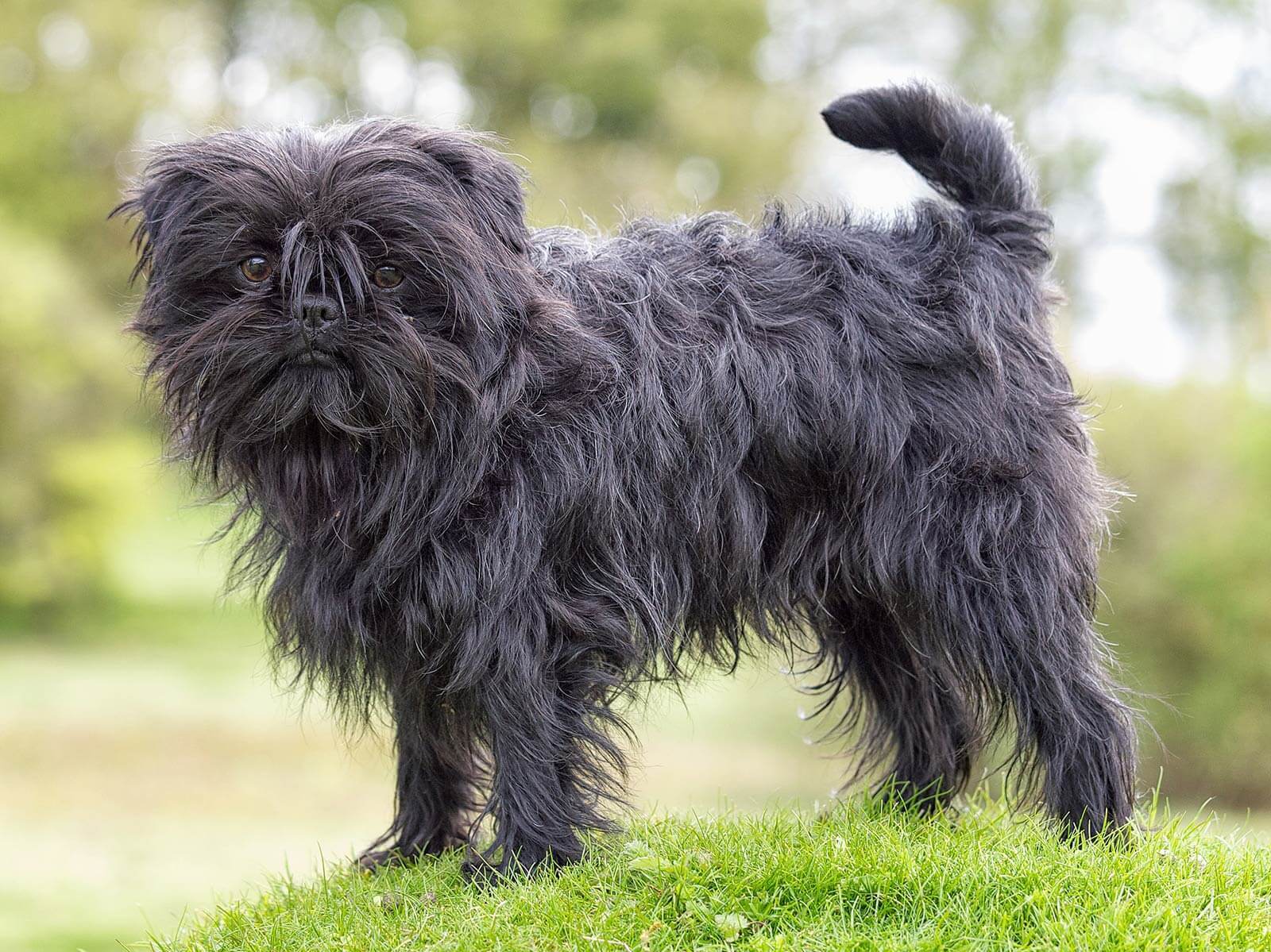
Affenpinscher

Brussels Griffon

Cavalier King Charles Spaniel

Chihuahua
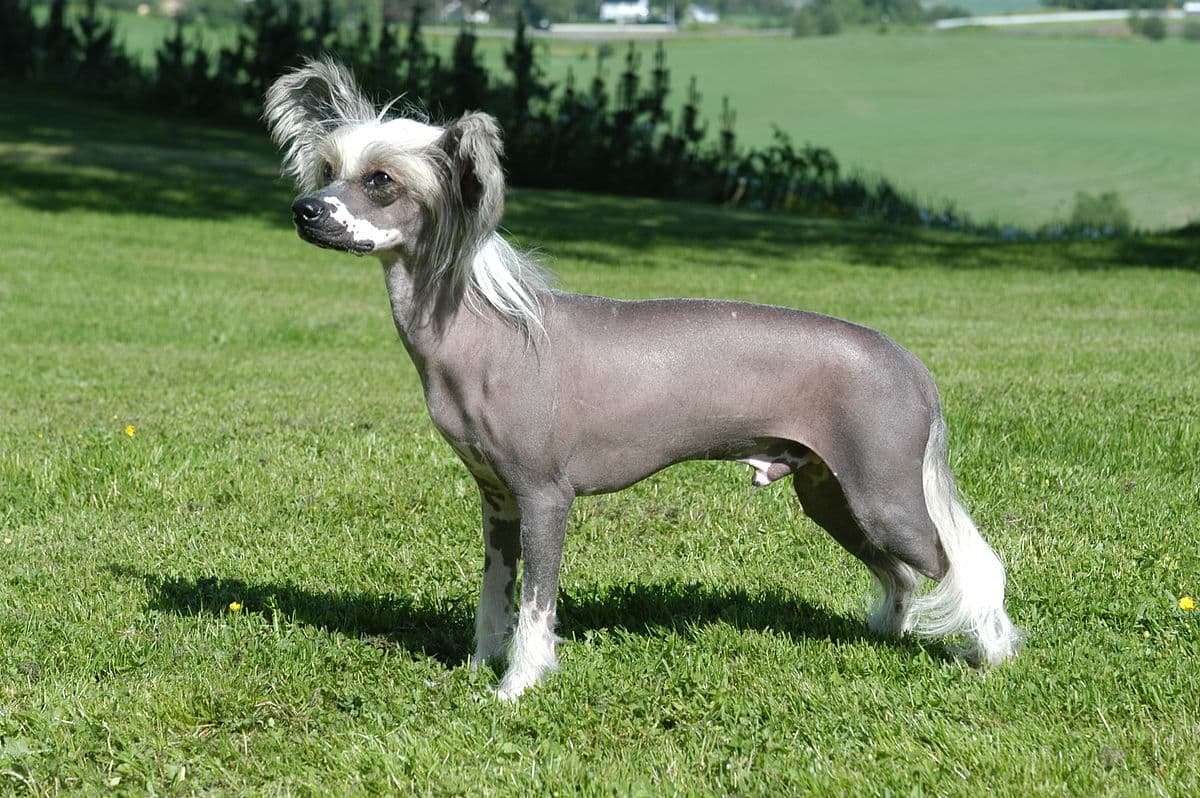
Chinese Crested

English Toy Spaniel
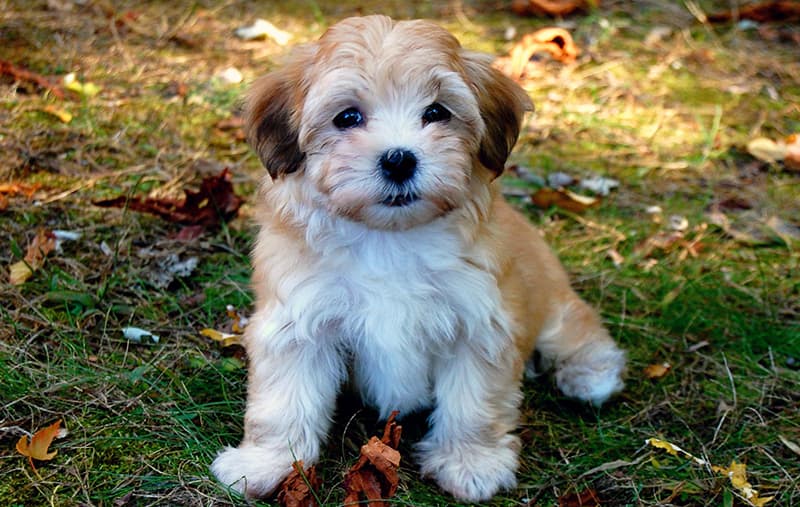
Havanese
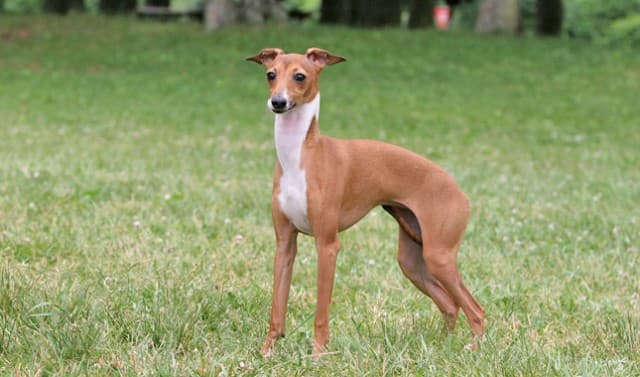
Italian Greyhound
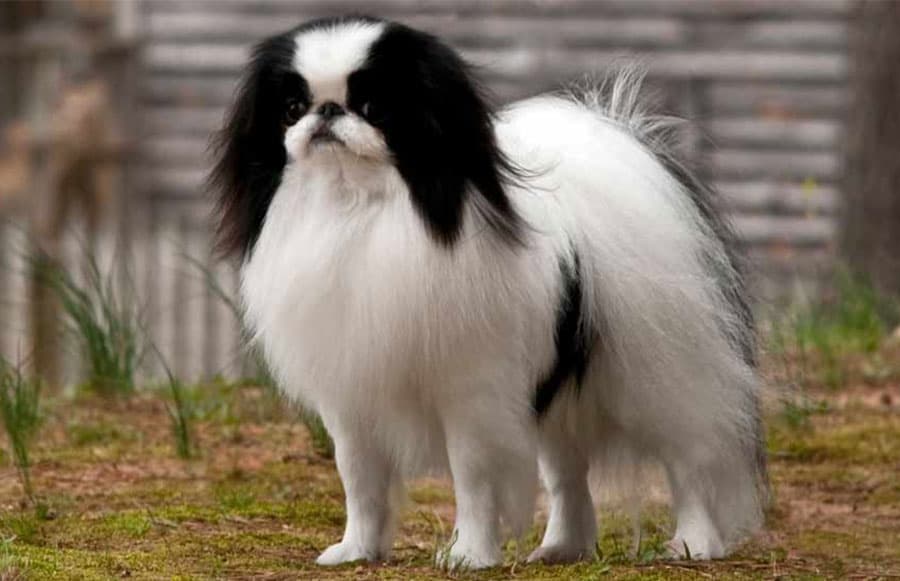
Japanese Chin

Maltese

Miniature Pinscher
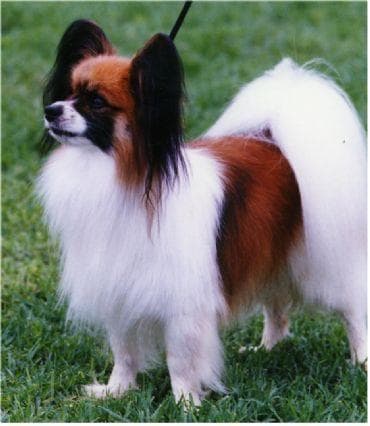
Papillon
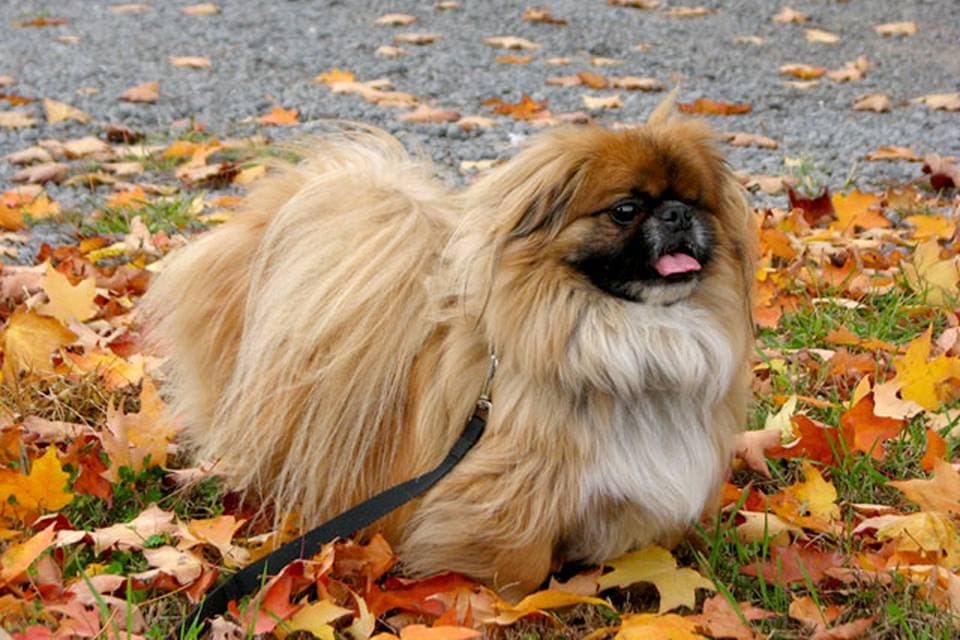
Pekingese
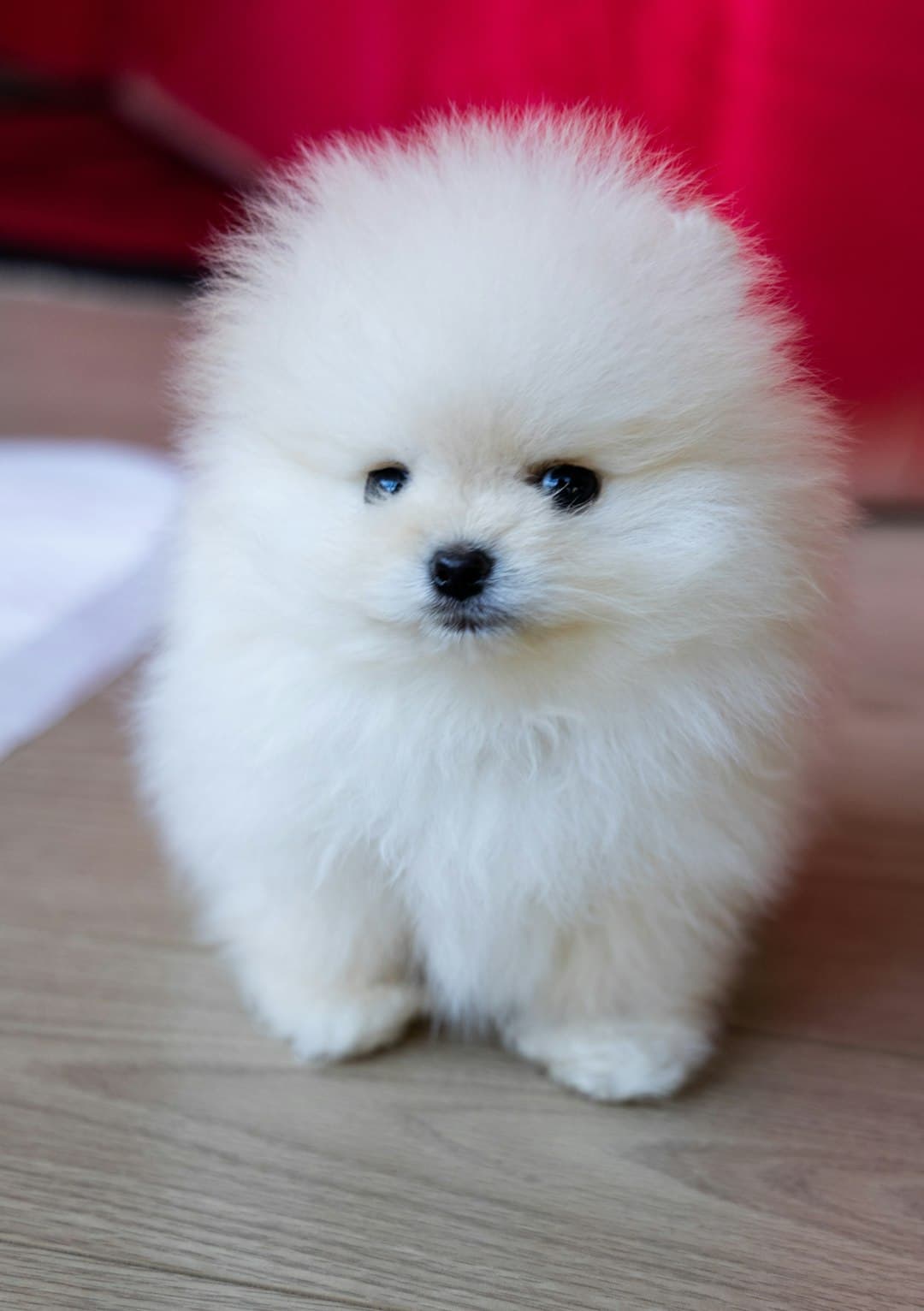
Pomeranian
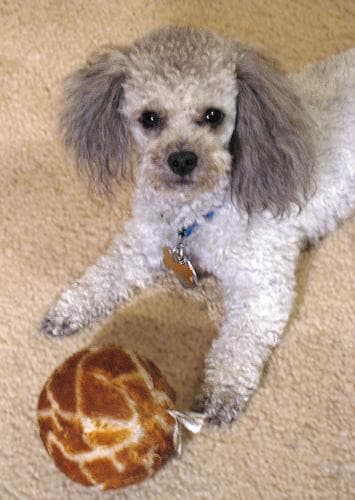
Poodle
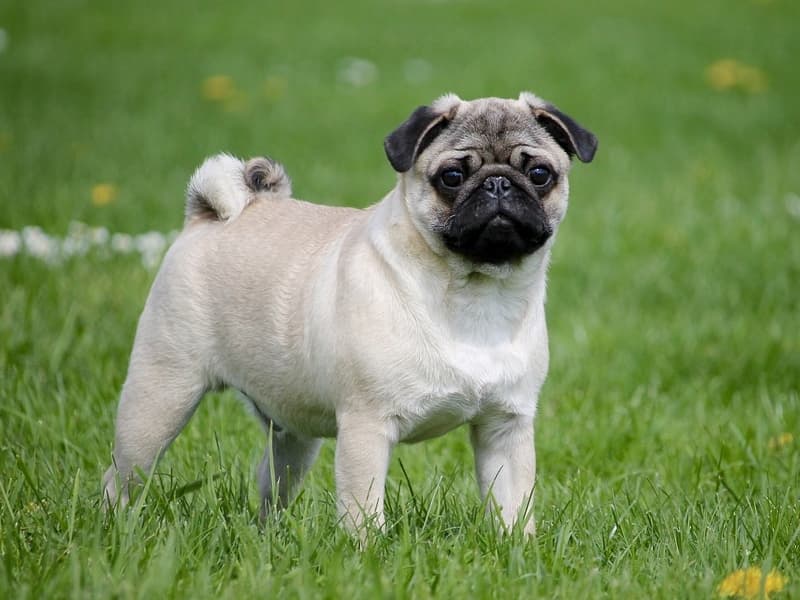
Pug

Russian Toy
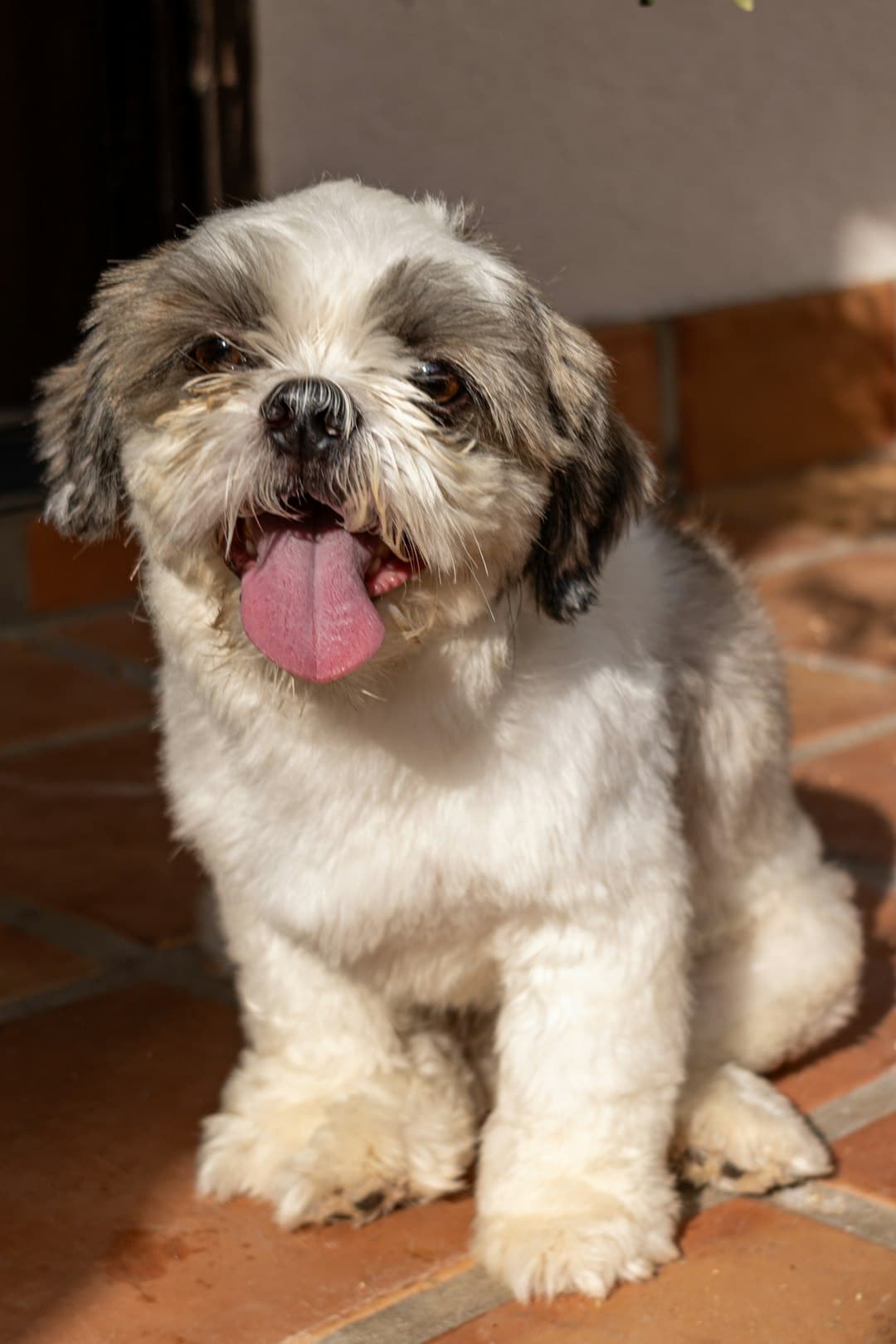
Shih Tzu
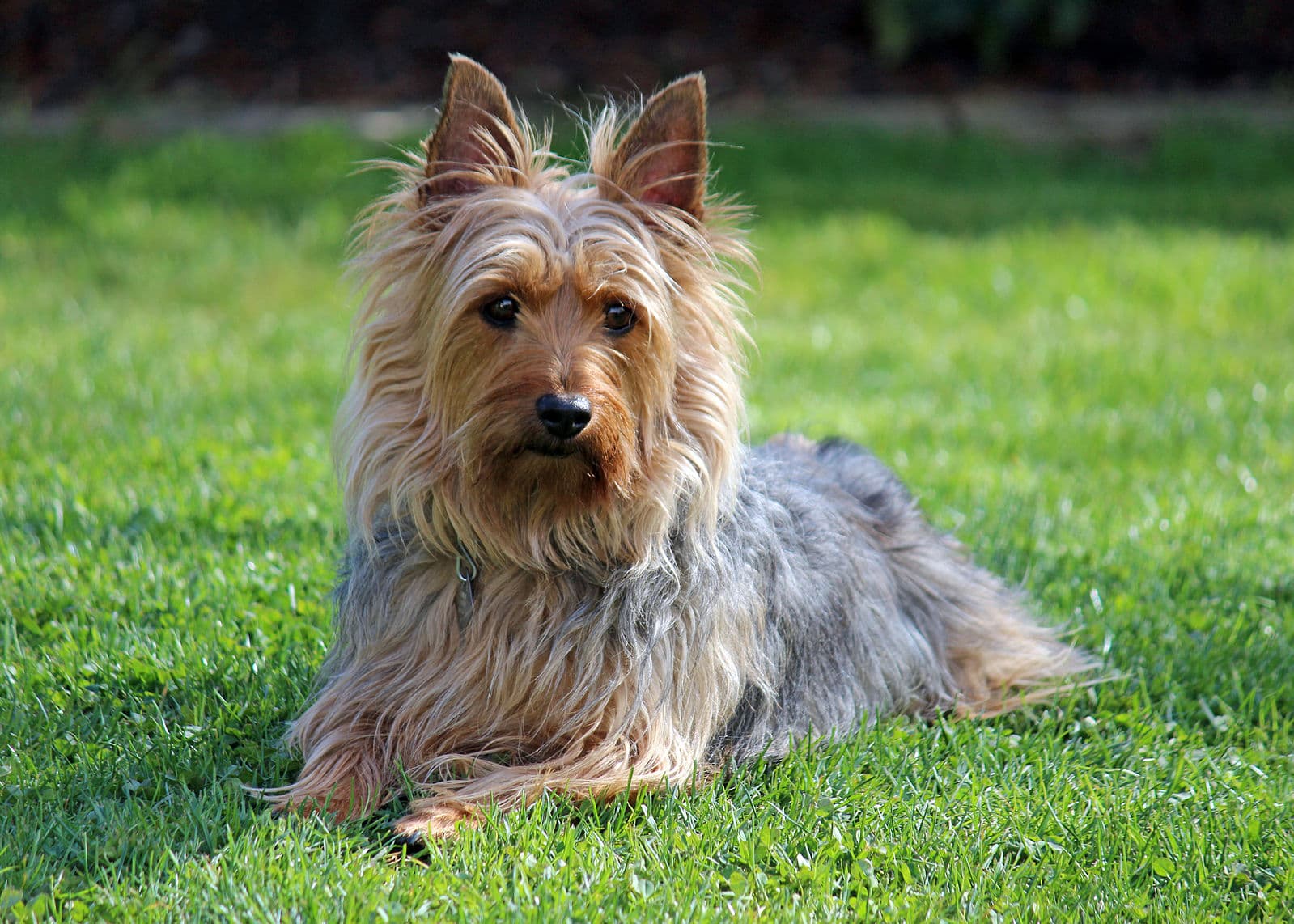
Silky Terrier
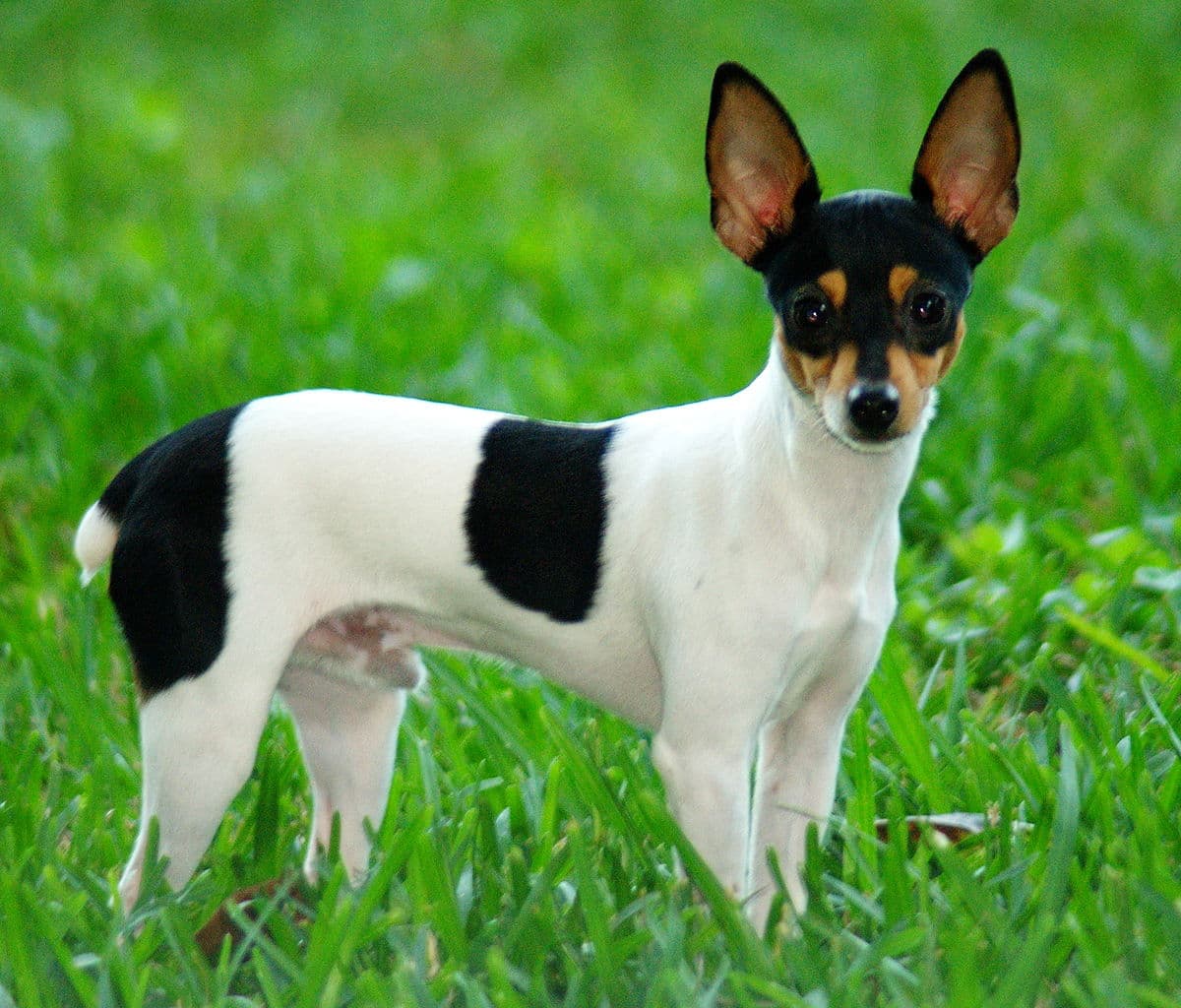
Toy Fox Terrier
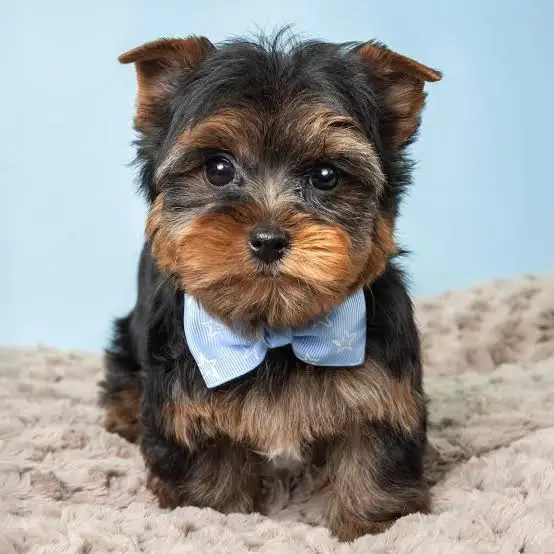
Yorkshire Terrier
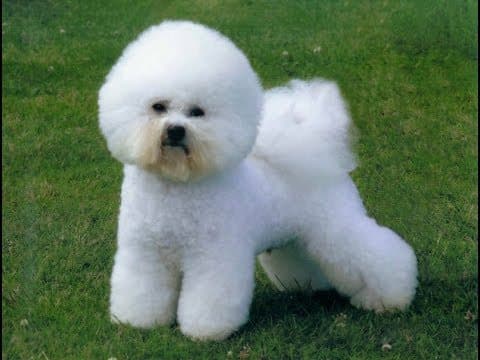
Bichon Frise
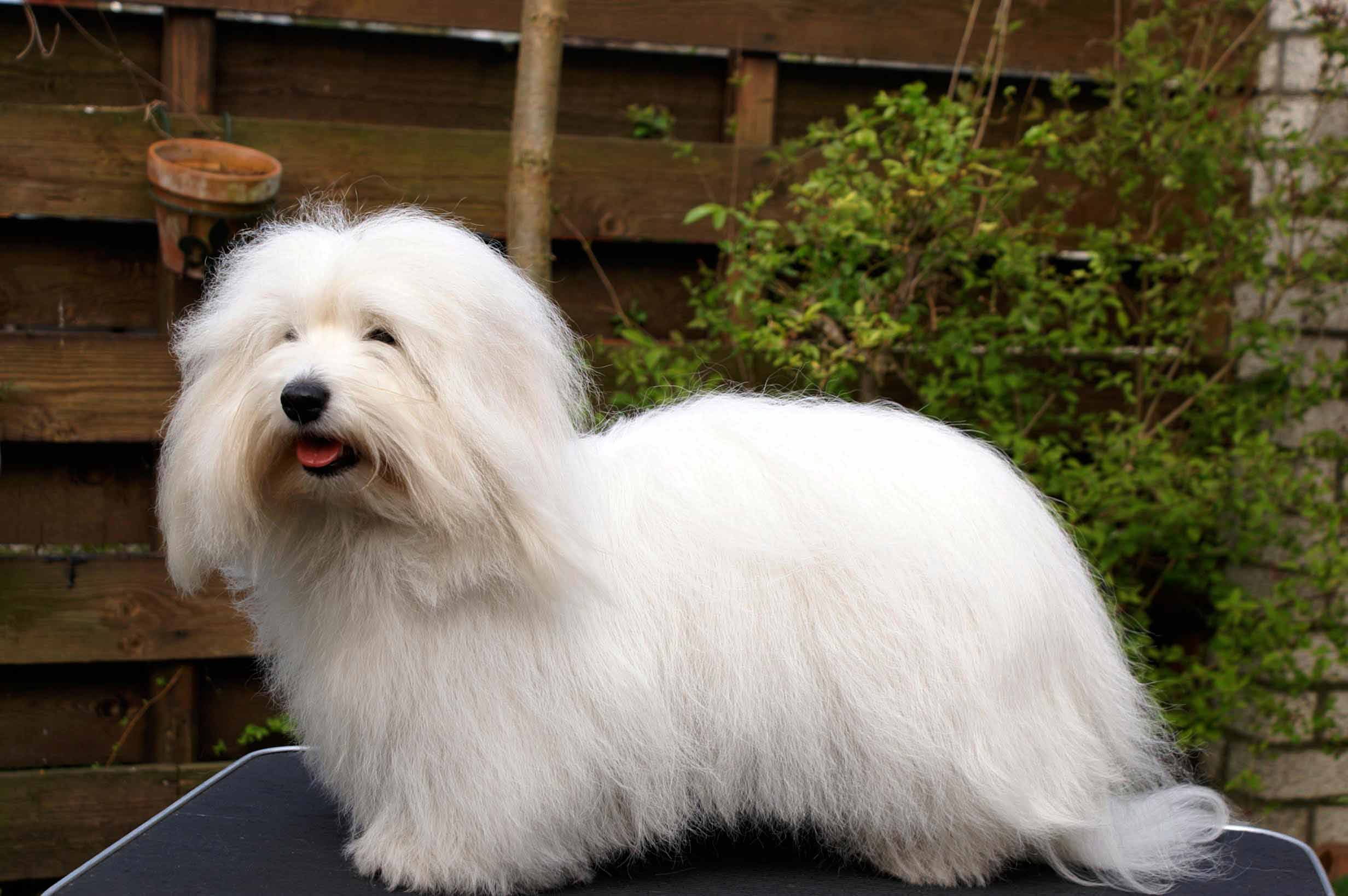
Coton de Tulear
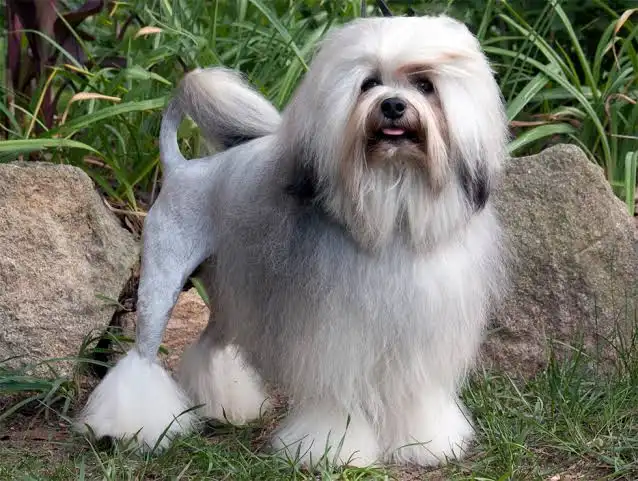
Lowchen
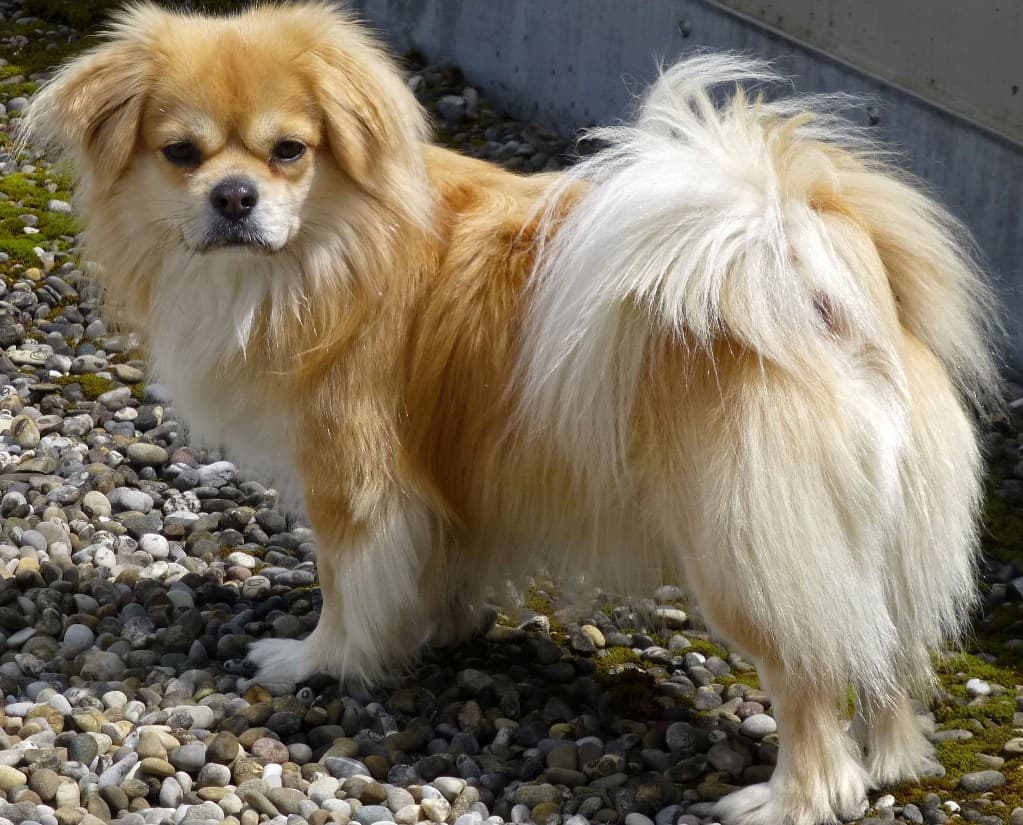
Tibetan Spaniel
Frequently asked questions
What counts as a toy dog breed?
In American Kennel Club (AKC) terms, toy breeds are the dogs placed in the Toy Group—typically very small companion dogs bred primarily for companionship rather than hunting or herding. Exact weight cutoffs vary by breed standard, but many toys mature under about 15 pounds. Kennel-club group placement is the cleanest definition; “teacup” is a marketing label, not an official group.
Are toy dogs good for apartments?
Often yes—their size fits smaller homes—but energy and barking still matter. A high-drive Yorkshire Terrier or Miniature Pinscher needs more outlets than a calmer Cavalier. Plan daily walks, indoor play, and training so apartment life stays fair to the dog.
Do toy breeds live longer than large dogs?
On average, smaller dogs tend to live longer than giant breeds, though genetics, dental care, weight, and preventive vet care matter as much as size. Many toys commonly reach the mid-teens with good care; individual outcomes vary.
What health problems are common in toy dogs?
Dental disease is extremely common in small mouths. Many toys are also prone to luxating patellas (kneecaps that slip), tracheal collapse, and—especially in brachycephalic faces like Pugs and Pekingese—breathing difficulty in heat or stress. Hypoglycemia is a risk in very small puppies. Ask breeders about health testing relevant to the breed.
Is “teacup” the same as toy?
No. “Teacup” is informal marketing for unusually tiny dogs and is not an AKC classification. Extremely undersized dogs can face higher risks of hypoglycemia, fragile bones, and organ stress. Prefer reputable breeders who breed to the written standard—not the smallest possible puppy.
References
This guide summarizes publicly available breed-standard and veterinary education sources. Always consult your veterinarian for individual care.
- [1]Toy Group — American Kennel Club (AKC)
- [2]Dog Breed Groups — American Kennel Club
- [3]Pet Dental Care — American Veterinary Medical Association (AVMA)
- [4]Patellar Luxation — Orthopedic Foundation for Animals (OFA)
- [5]Brachycephalic Obstructive Airway Syndrome (overview) — American Kennel Club
- [6]How Long Will Your Dog Live? Size Matters — American Kennel Club