PawPedia breed guide
Terrier breeds
Bold, busy, and bred to work—how to choose a terrier that matches your energy, training style, and household.
48 breeds · Updated 2026-08-15
Terrier breeds cover a wide map—from pocket Yorkshire Terriers to sturdy Staffies and wiry working types. What they share is a history of gutsy vermin work: curiosity, quick reactions, and a willingness to dig into a problem (sometimes literally).
This guide explains the terrier temperament in everyday language, what living with one asks of you, and lists 48 terrier and closely related profiles in our database. For the AKC’s official grouping, see the Terrier Group.
Terrier temperament at a glance
Expect alertness, confidence, and opinions. Many terriers bond tightly with their people, notice every sound at the door, and stay game for play long after a walk. Independence can look like “selective hearing”—especially outdoors when scent or wildlife appears.
That spark is why they’re entertaining companions and why under-exercised terriers invent jobs (barking, chewing, yard renovations). Match the individual breed’s energy on each profile before you fall for the beard or the tuxedo coat.
Living with a terrier
Exercise & brains. Daily walks plus puzzle toys, training games, or sanctioned dig/scent outlets keep most terriers settled indoors. A tired terrier is usually a quieter roommate.
Training. Use short, upbeat sessions and clear house rules. Early socialization around kids, dogs, and city noise pays off. Secure fencing matters—many are escape artists when prey drive kicks in.
Grooming. Smooth coats are quick; wiry and long-coated terriers may need hand-stripping or regular clipping. Check each breed’s grooming notes before you budget time.
Types of terriers you’ll see here
Companion and toy types (Yorkie, Boston Terrier, Westie) often suit apartments if barking and exercise are managed. Earthdog and working types (Jack Russell, Cairn, Border) thrive with active owners. Bull-and-terrier types (Bull Terrier, Staffie) need experienced handling, solid socialization, and respect for local breed laws where they apply.
Schnauzers appear on this list because they share terrier-group history and a similar “busy brain” reputation—confirm size and coat care on the individual page.
How to choose the right terrier
Start with size, alone-time tolerance, and prey drive—not just “cute and feisty.” Meet adults when you can; puppy energy can hide adult intensity. Use our breed match quiz if you’re unsure, then compare two finalists side by side.
Ask breeders or rescues about health testing common to the type (patellas in small terriers, skin and breathing notes in brachy-leaning companions, orthopedic screening in heavier builds) and always confirm plans with your veterinarian.
Terrier & related profiles
Browse 48 profiles. Open any breed for temperament, care, and lifestyle scores.
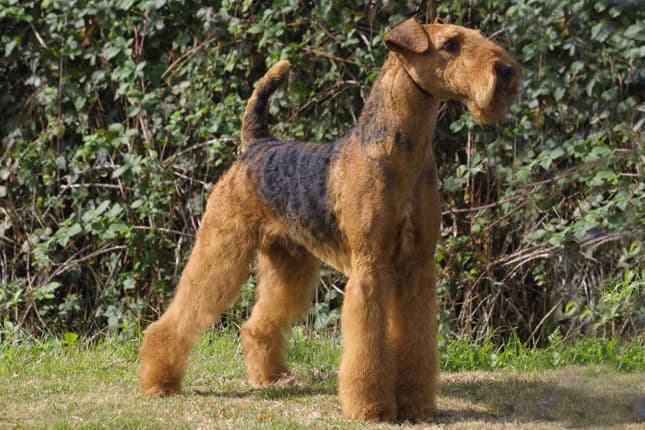
Airedale Terrier

American Hairless Terrier
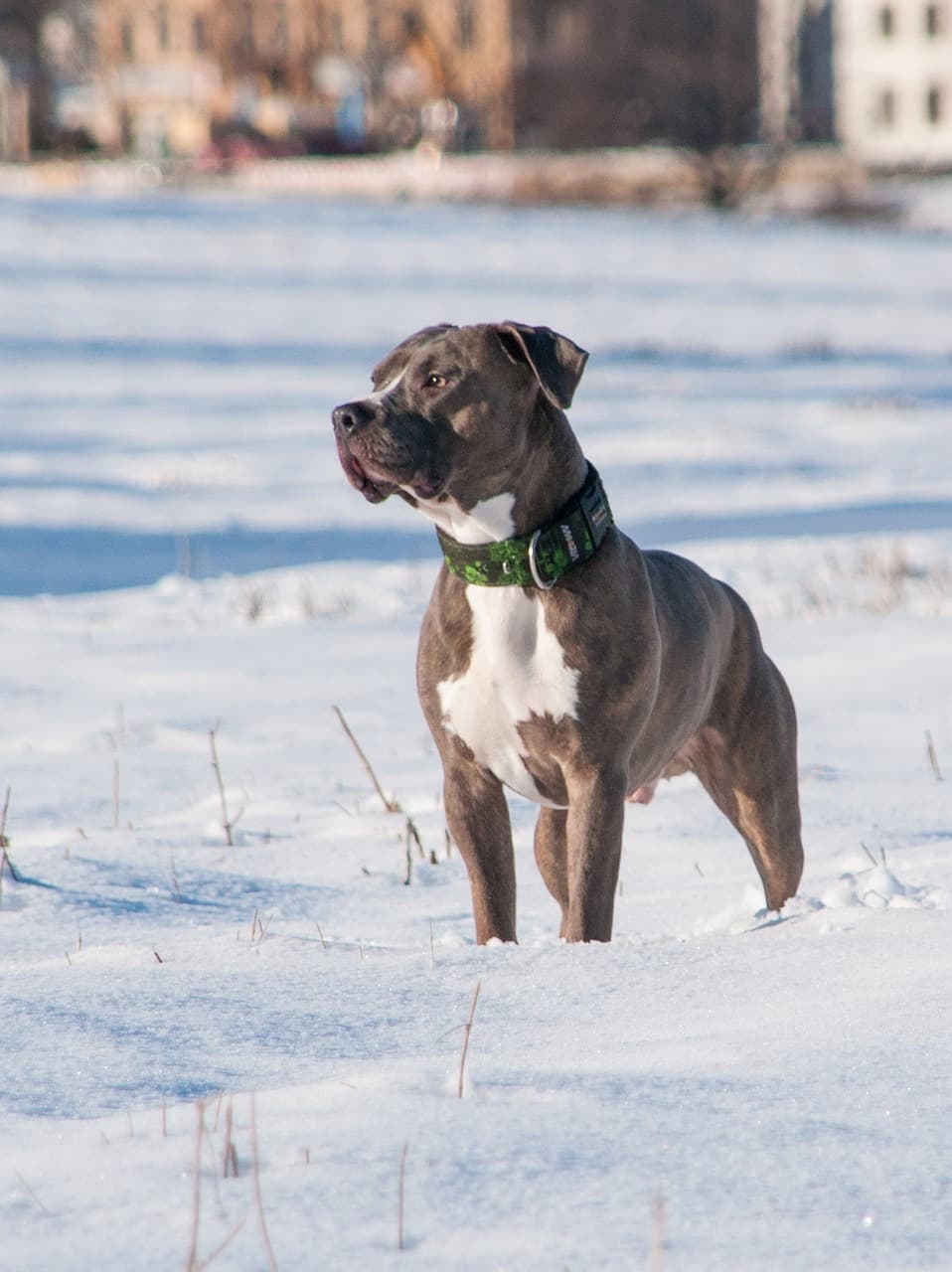
American Pit Bull Terrier
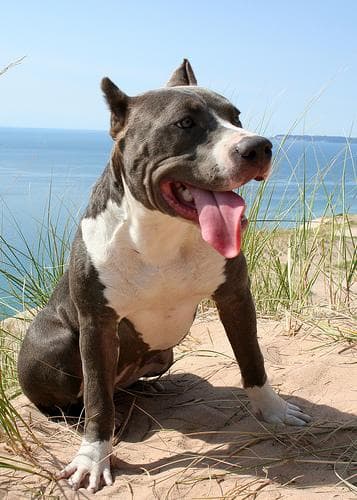
American Staffordshire Terrier
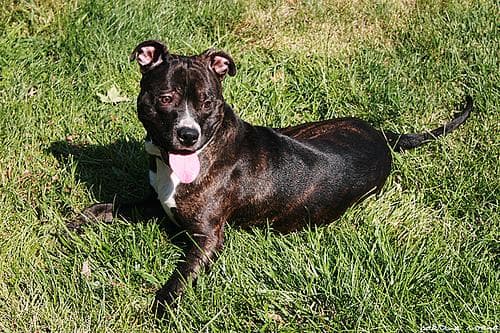
American Terrier
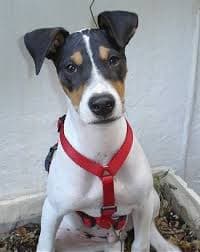
Andalusian Terrier
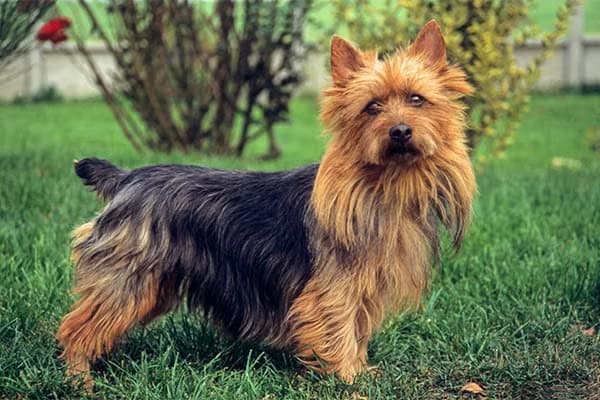
Australian Terrier
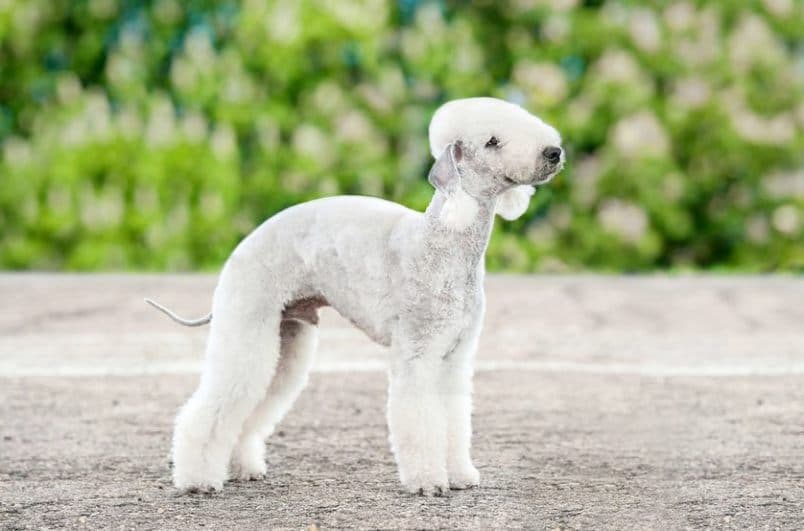
Bedlington Terrier

Border Terrier
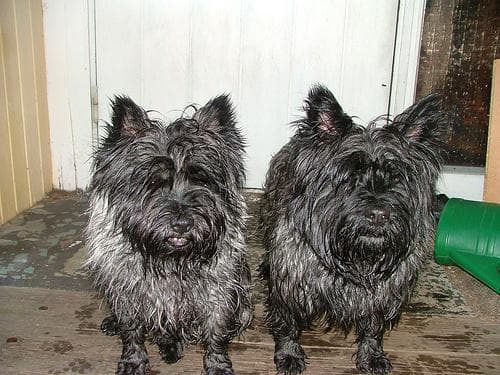
Boston Terrier
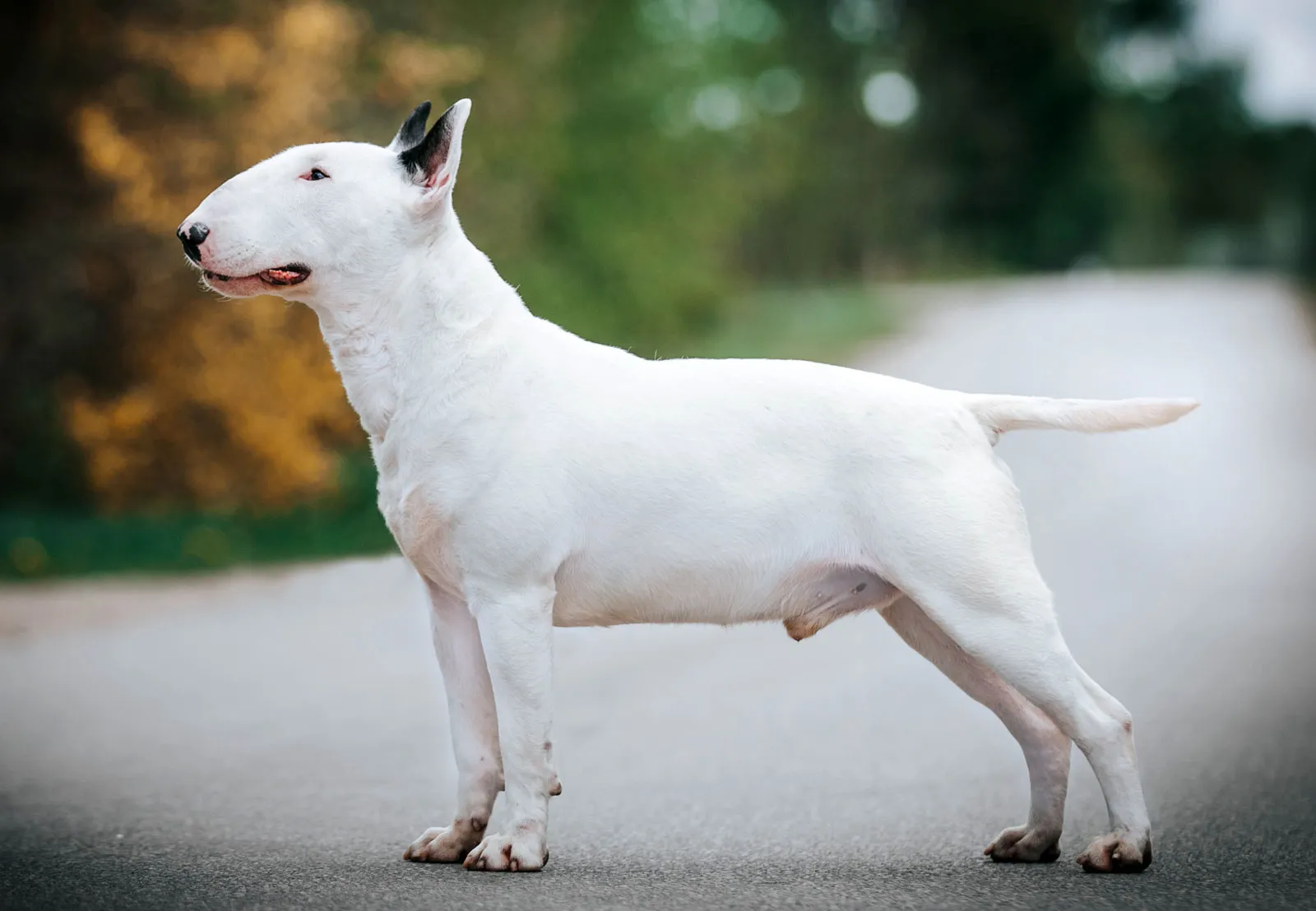
Bull Terrier
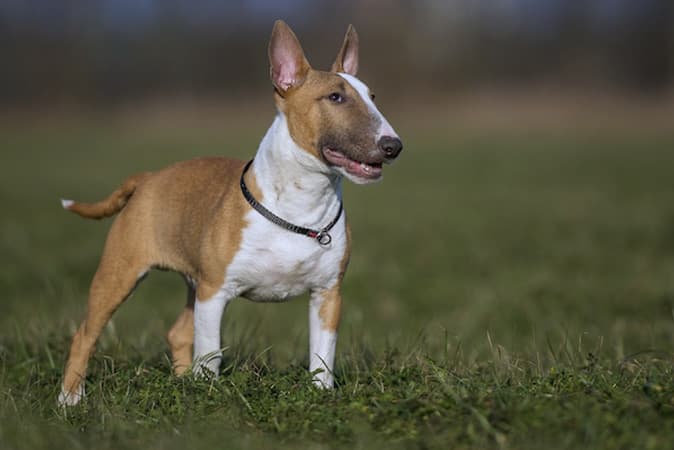
Bull Terrier (Miniature)
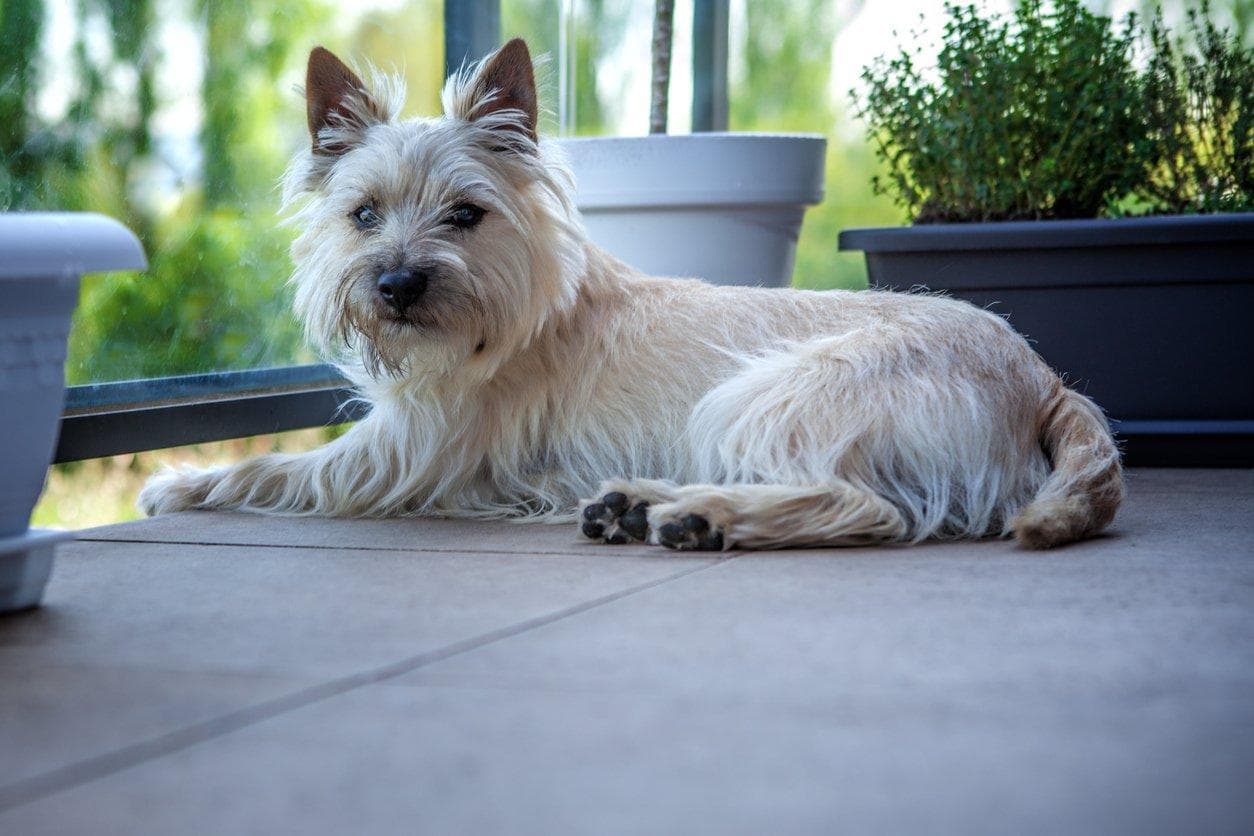
Cairn Terrier
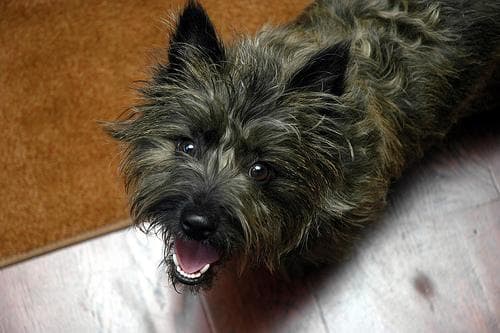
Dandie Dinmont Terrier
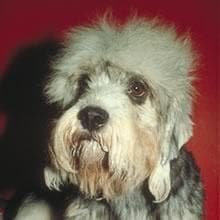
Dandie Terrier
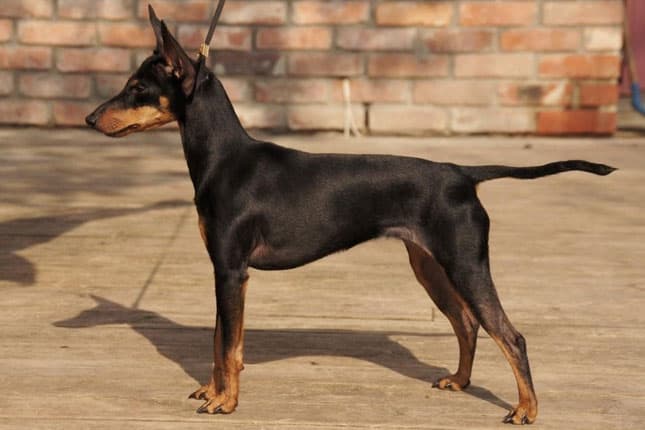
English Toy Terrier
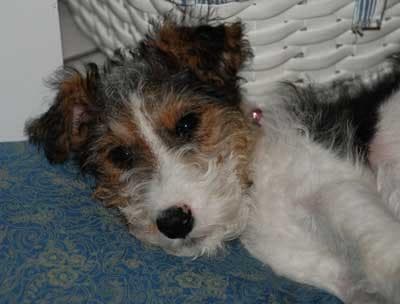
Fox Terrier
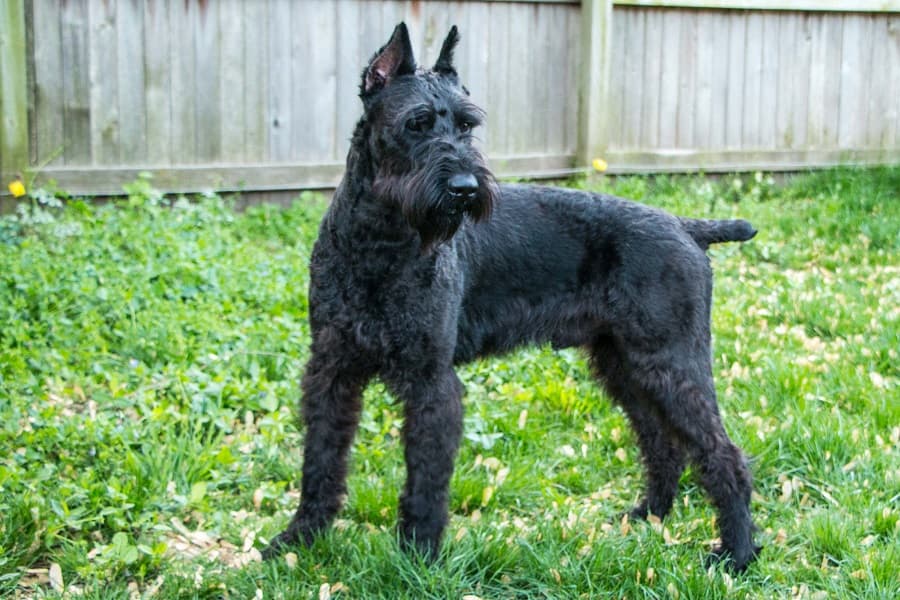
Giant Schnauzer
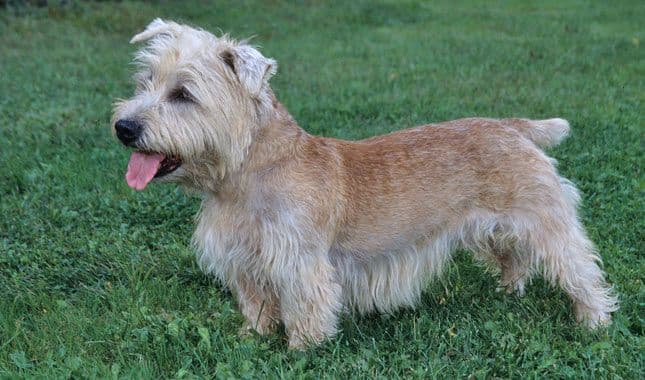
Glen of Imaal Terrier
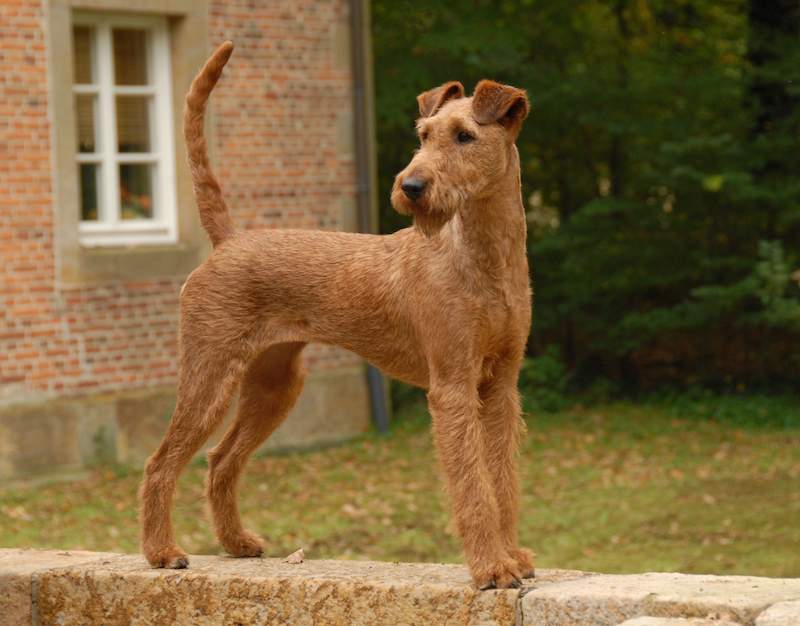
Irish Terrier
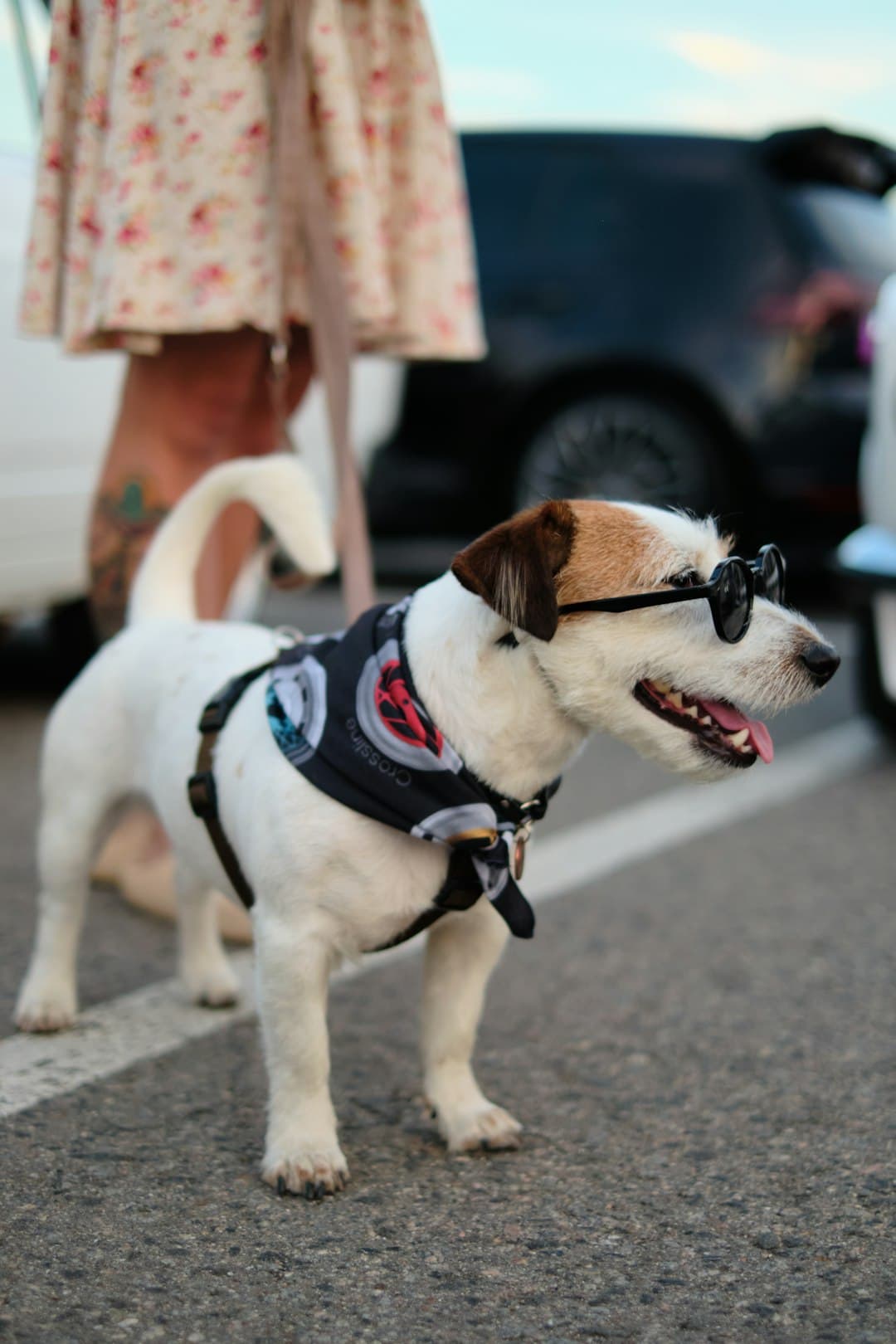
Jack Russell Terrier
Kerryblue Terrier
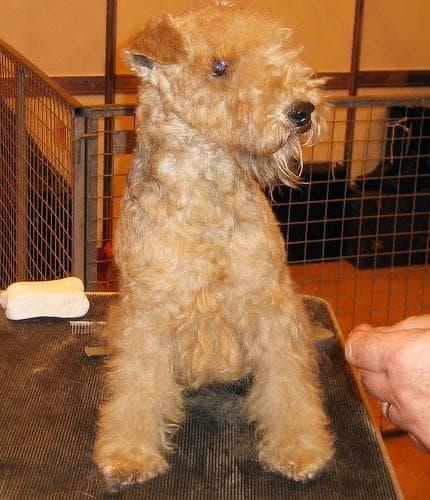
Lakeland Terrier

Miniature Schnauzer
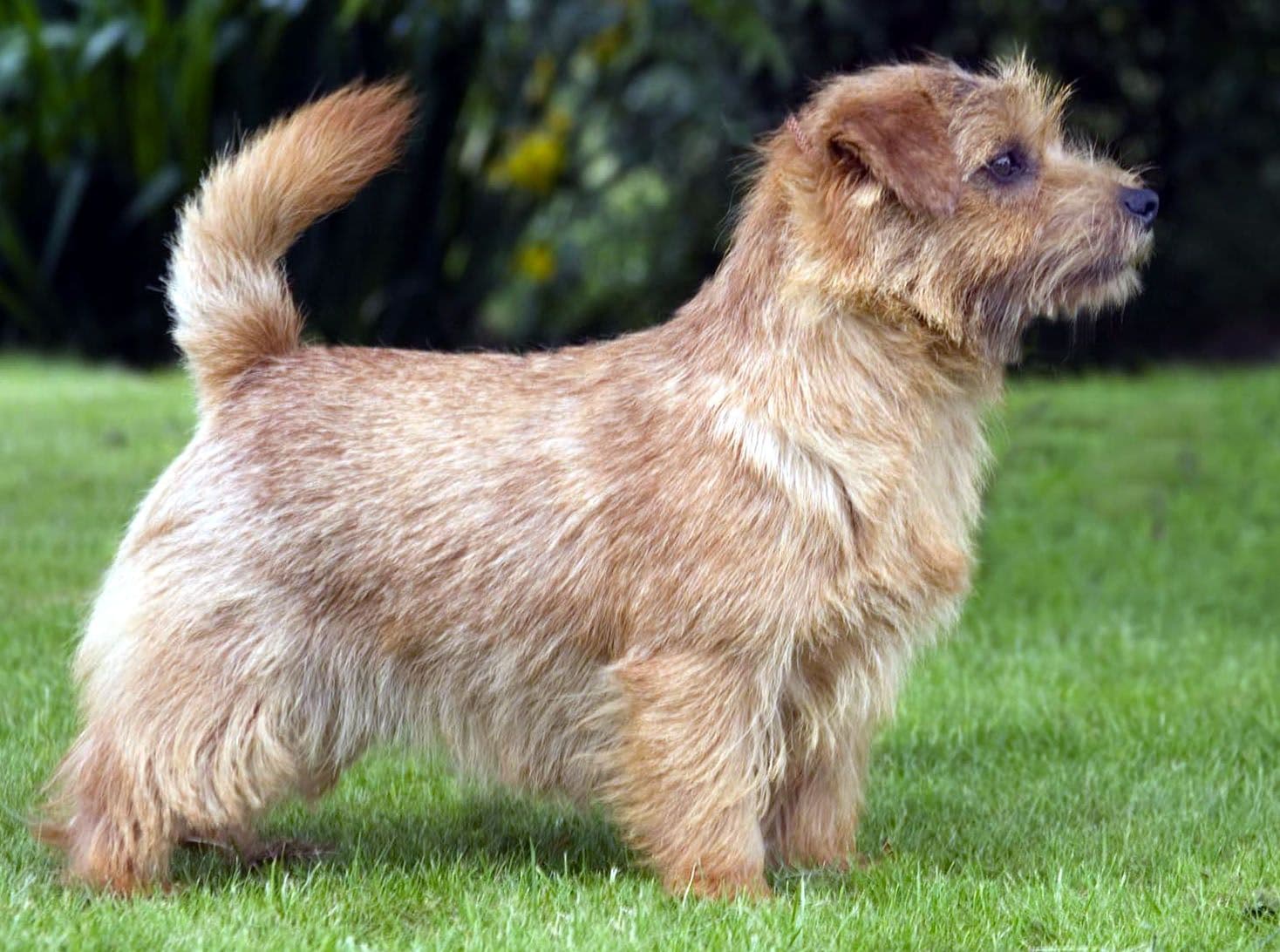
Norfolk Terrier
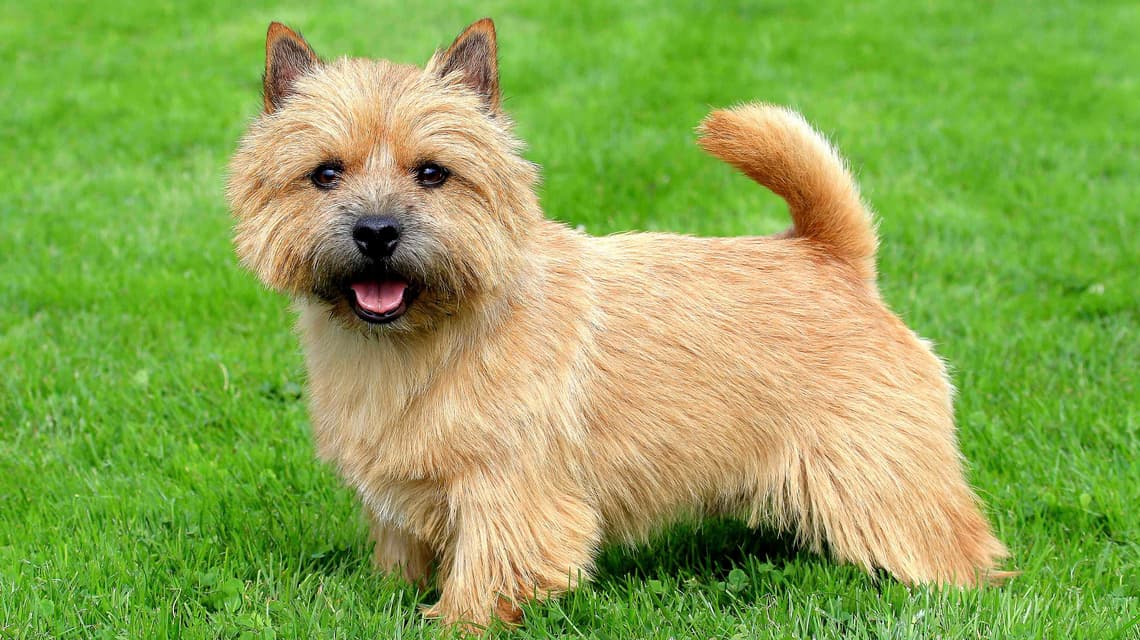
Norwich Terrier
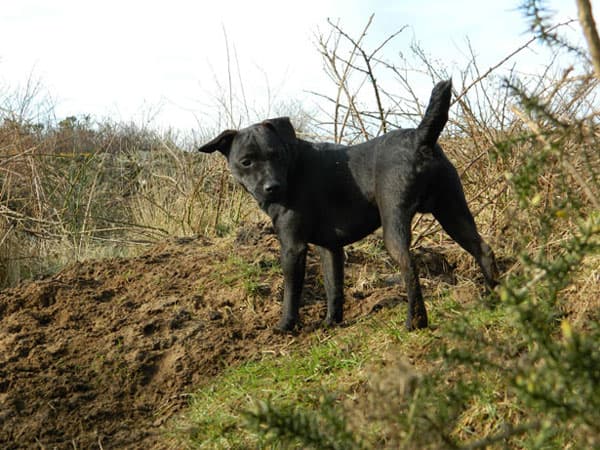
Patterdale Terrier
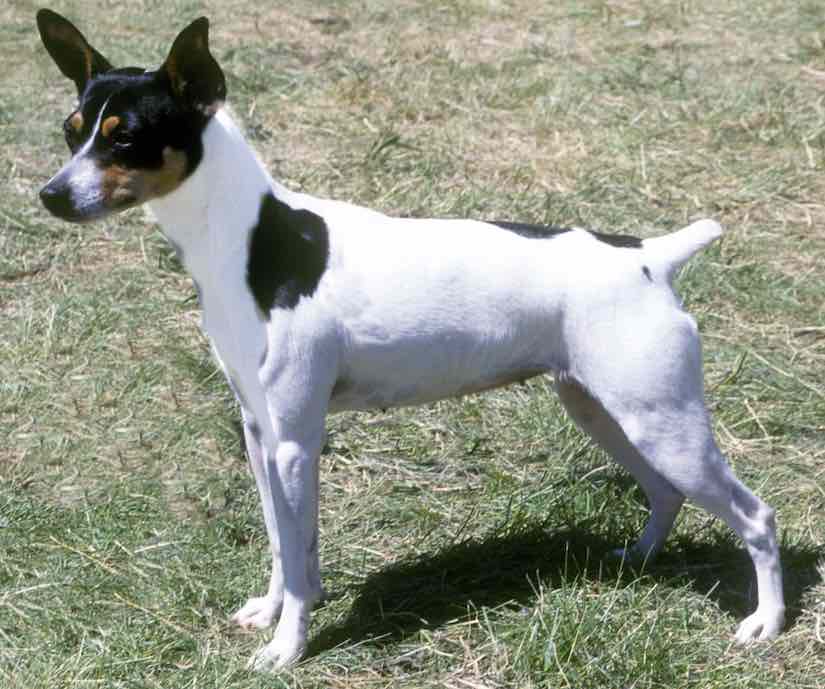
Rat Terrier

Russell Terrier
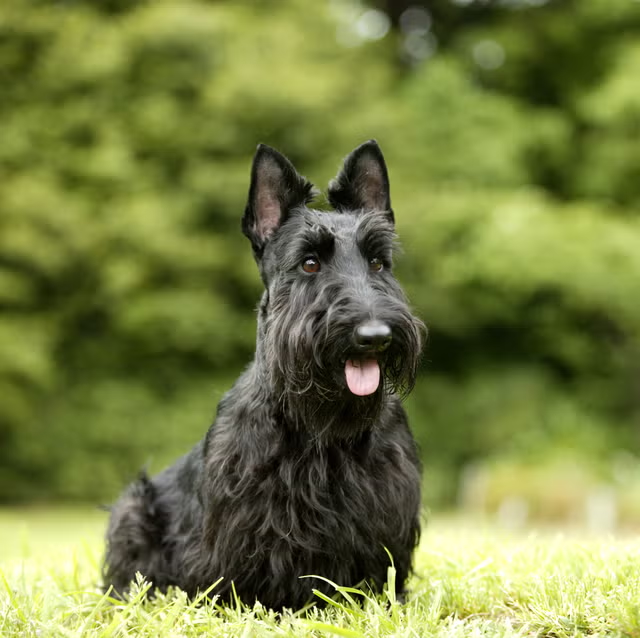
Scottish Terrier
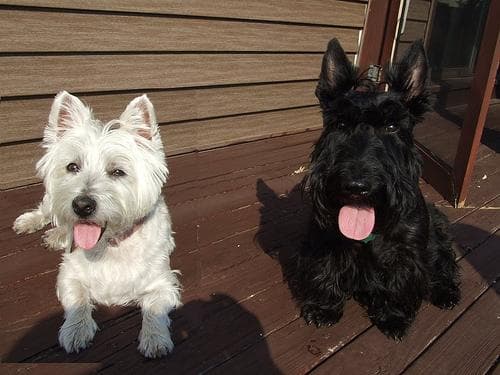
Sealyham Terrier
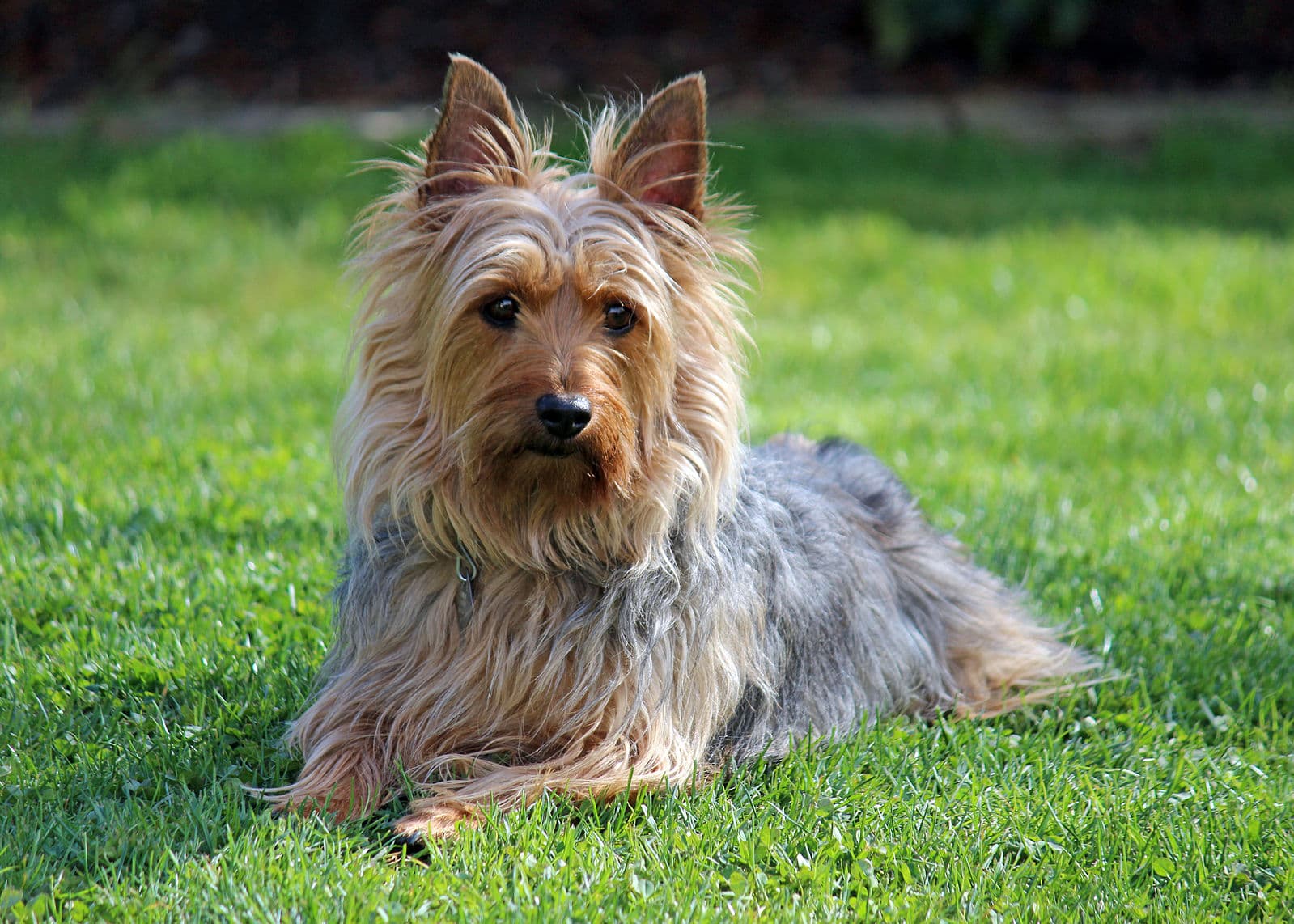
Silky Terrier

Skye Terrier
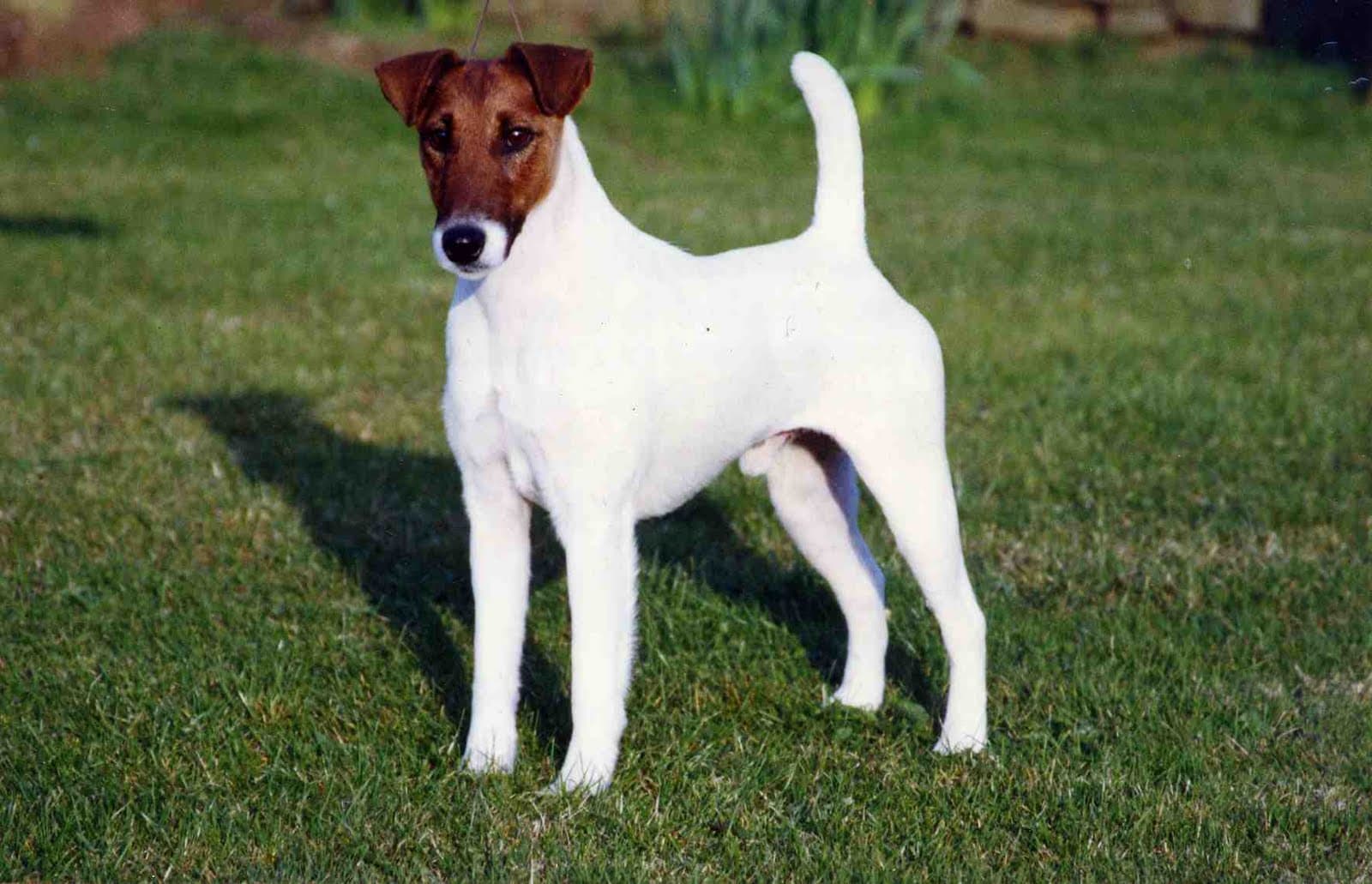
Smooth Fox Terrier
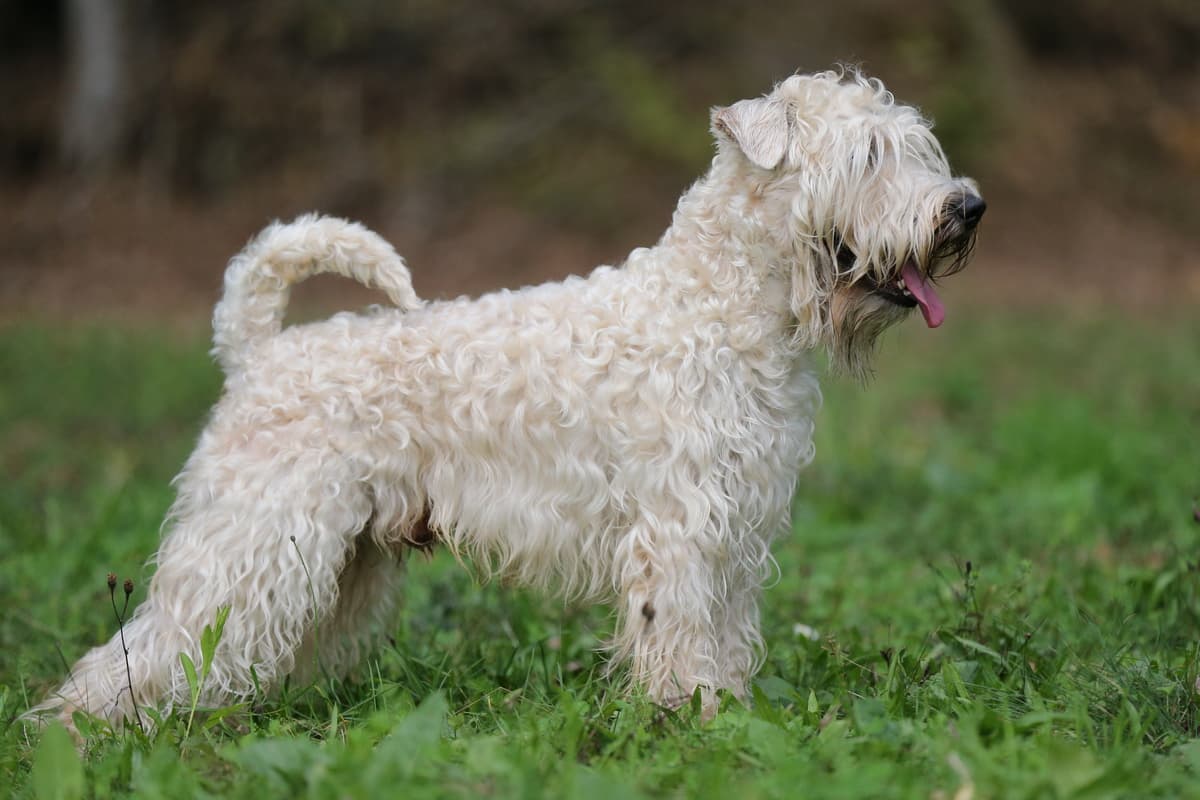
Soft Coated Wheaten Terrier

Staffordshire Bull Terrier
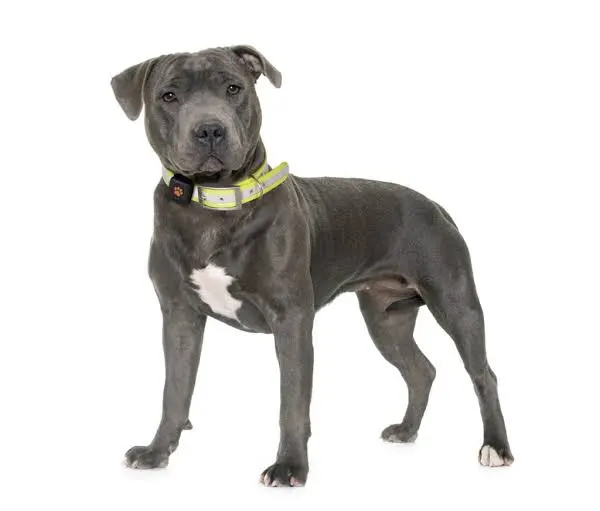
Staffordshire Bullterrier
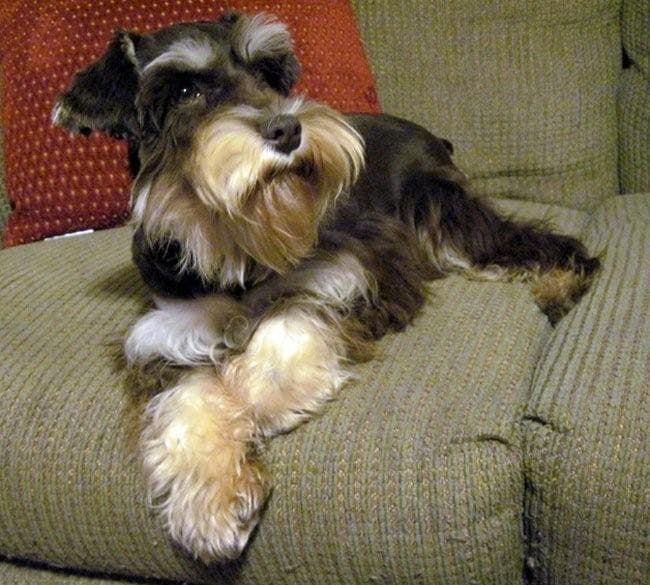
Standard Schnauzer
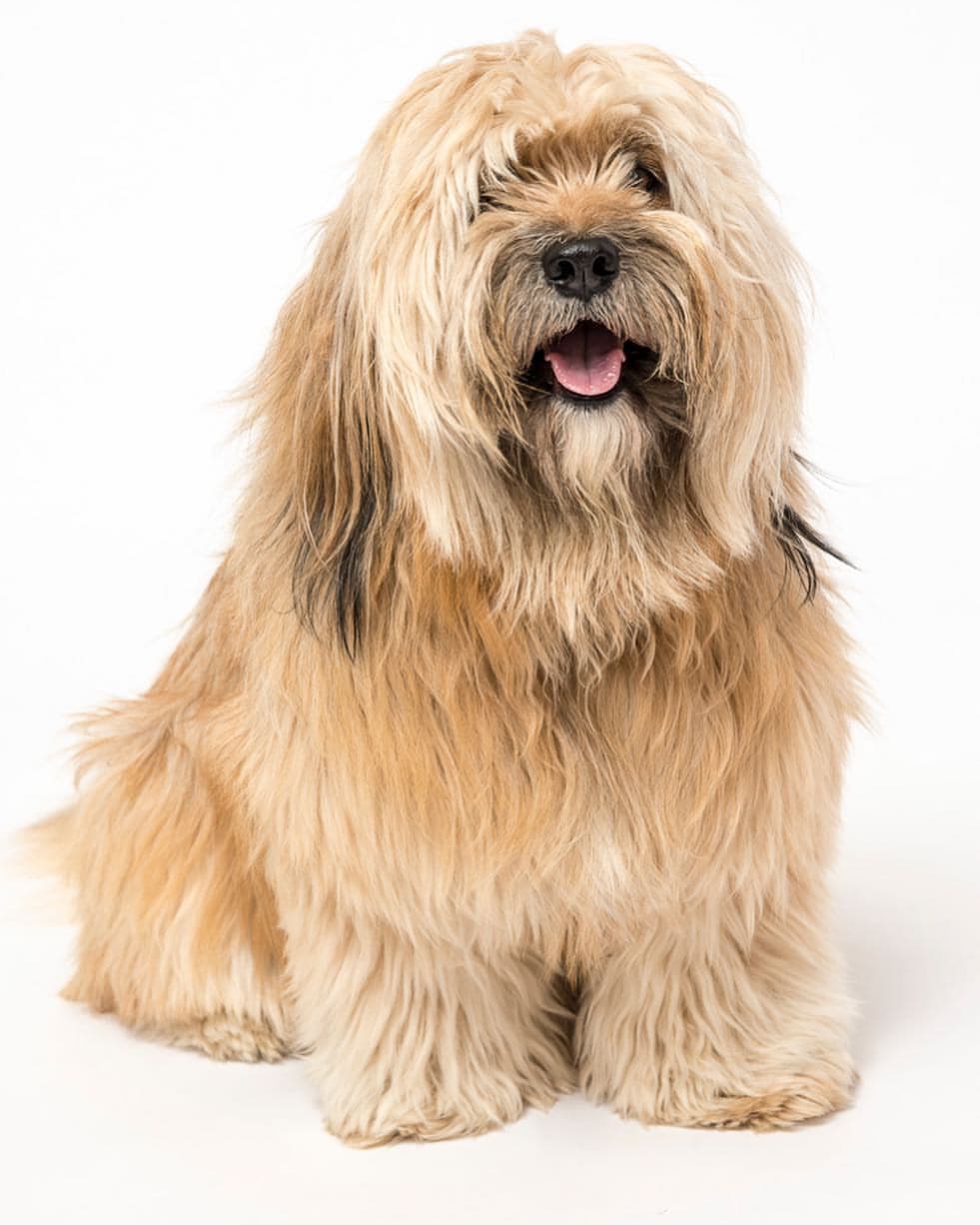
Tibetan Terrier
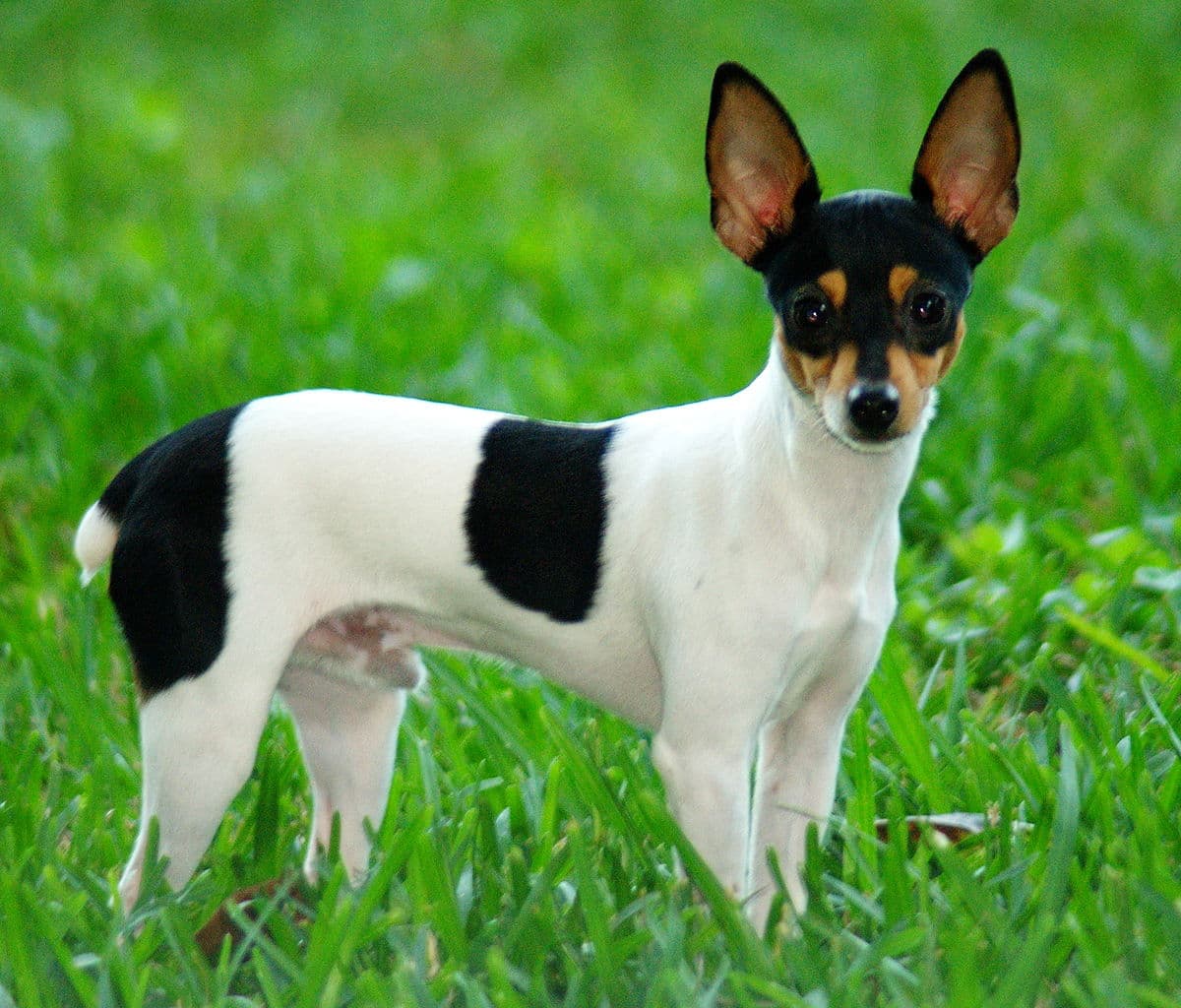
Toy Fox Terrier
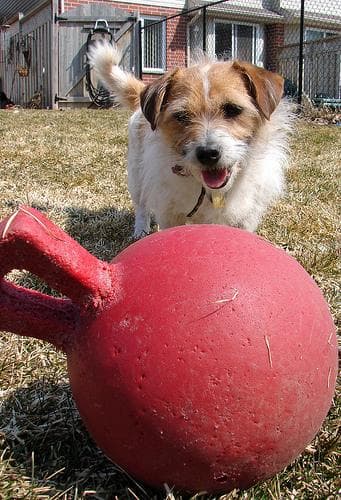
Toy Terrier
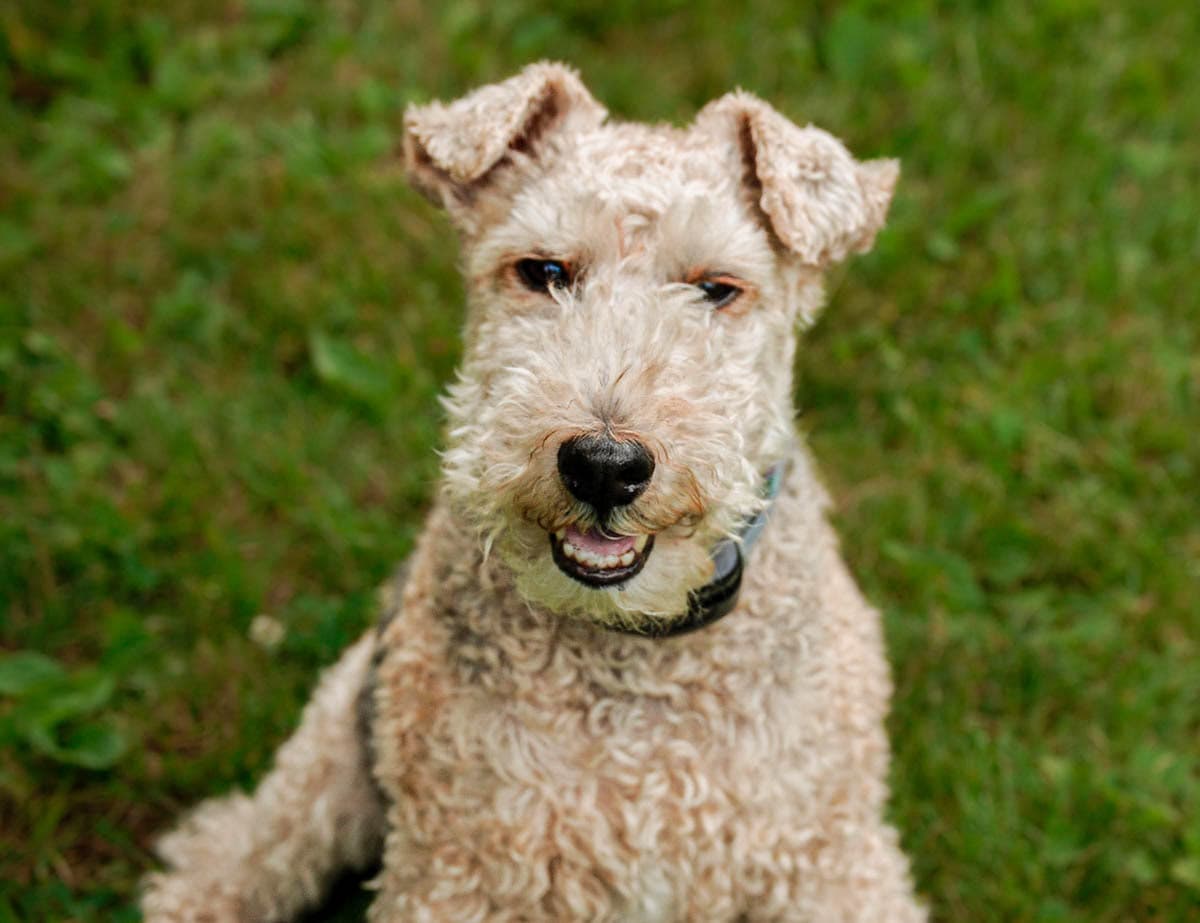
Welsh Terrier
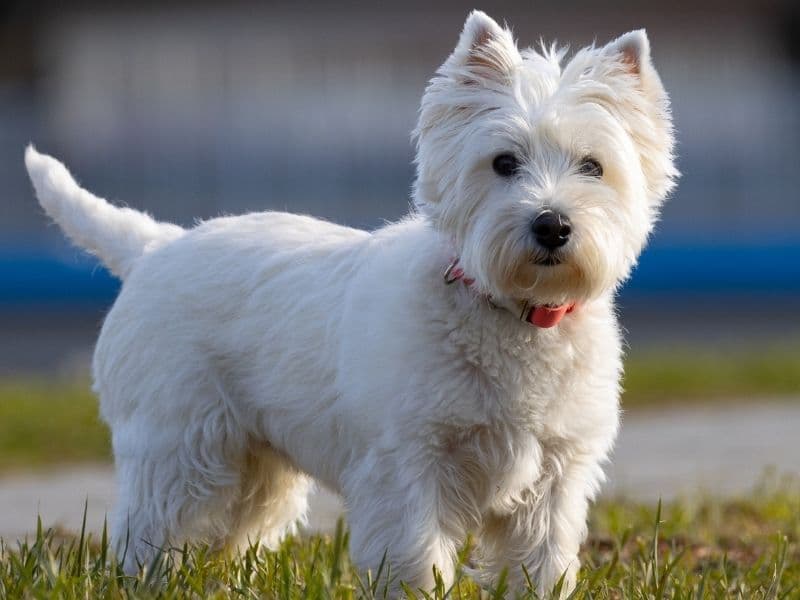
West Highland White Terrier
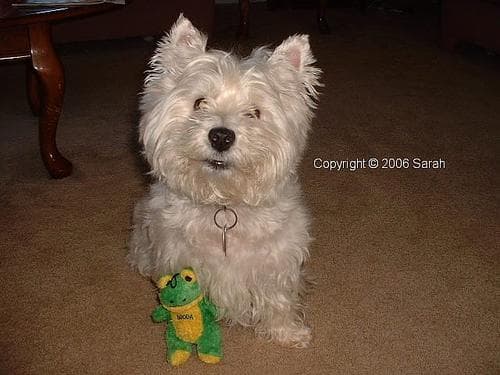
Westhighland Terrier
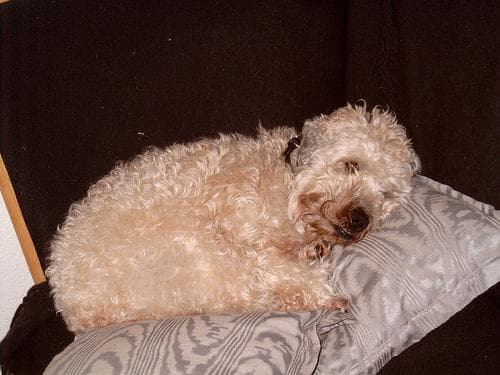
Wheaten Terrier
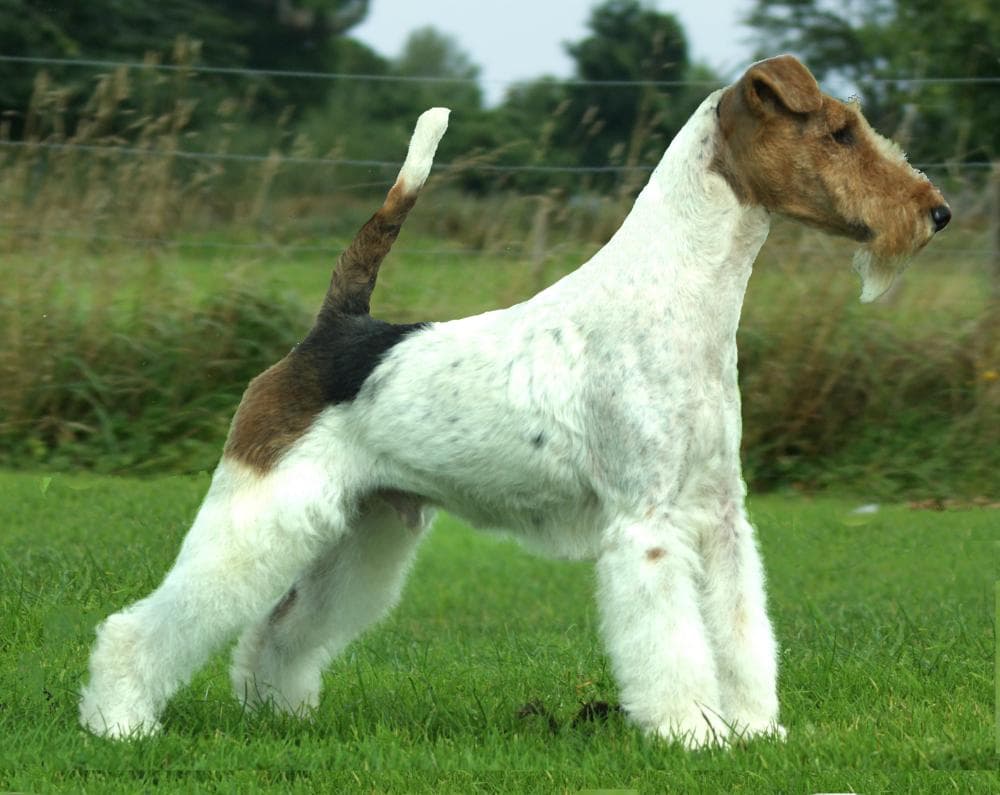
Wire Fox Terrier
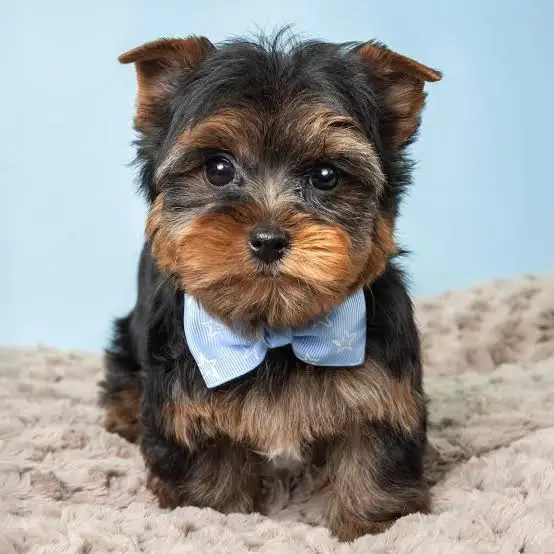
Yorkshire Terrier
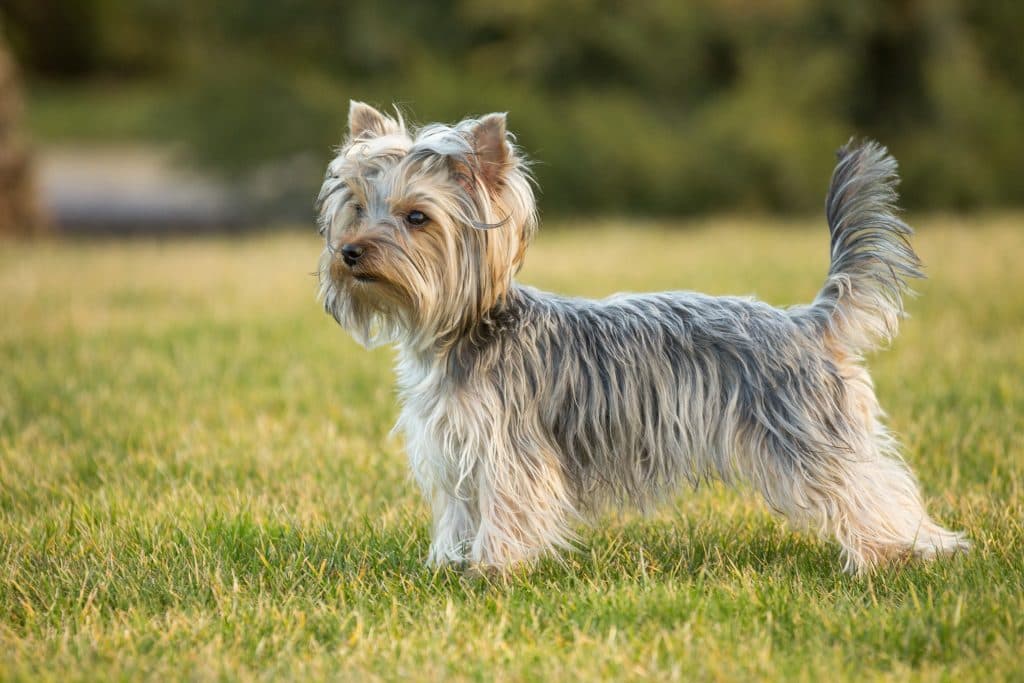
Yorkshire Terrier (Long Coat)
Frequently asked questions
What makes a dog a terrier?
Terriers were historically bred to hunt vermin and go to ground—hence bold, tenacious temperaments and strong prey drive. The AKC Terrier Group covers many of these working and companion types; some related breeds (like Schnauzers) share similar coat and working roots.
Are terriers good family dogs?
Many can be, especially with older kids who respect boundaries. Size and type matter: a Yorkie differs from a Staffordshire Bull Terrier. Early socialization, training, and secure fencing help. Always supervise dog–child interactions.
Do all terriers have high energy?
Most need daily walks plus mental work (training games, scent toys). Toy and companion terriers may need fewer miles than earthdog athletes like Jack Russells, but boredom still shows up as barking, digging, or mischief.
Are terriers hard to train?
They’re often smart and independent—not stubborn for its own sake, but selectively motivated. Short, reward-based sessions beat long, repetitive drills. Consistency and early manners training pay off.
Do terriers get along with cats?
Prey drive varies. Some individuals raised with cats do fine; others chase small animals. Introduce carefully and never assume a “terrier” label guarantees compatibility.
References
This guide summarizes publicly available breed-standard and veterinary education sources. Always consult your veterinarian for individual care.
- [1]Terrier Group — American Kennel Club (AKC)
- [2]Dog Breed Groups — American Kennel Club (AKC)
- [3]How to Choose the Right Dog Breed — American Kennel Club (AKC)
- [4]Pet Ownership Resources — American Veterinary Medical Association (AVMA)
- [5]General Dog Care — ASPCA