PawPedia breed guide
Small Dog Breeds
From lap companions to compact athletes—how to choose a small dog that fits your home, energy, and care budget.
85 breeds · Updated 2026-08-15
Small dog breeds are among the most popular choices for city living and first-time owners—but “small” covers a wide range of temperaments, from mellow lap dogs to fiery terriers. This guide explains how we use the small-size category, what care looks like day to day, and which health topics show up often in compact dogs.
For the tiniest companion specialists, see our dedicated toy dog breeds guide (aligned with the AKC Toy Group).
How we define small breeds
Kennel clubs group dogs by purpose (sporting, hound, toy, etc.), not only by weight. PawPedia’s size tags help you filter lifestyle fit. Our small list includes toy companions and other compact breeds that typically mature lighter than medium working or sporting dogs. Always check the individual profile for height and weight ranges from breed standards.
Living with a small dog
Advantages often include easier travel, lower food volume, and less need for a large yard. Trade-offs can include fragility around toddlers, faster cooling in cold weather, and—ironically—sometimes more barking if the dog is used as a doorbell.
House-training rewards consistency: small bladders mean more frequent outdoor breaks. Use a harness for leash walks to protect delicate tracheas.
Health notes for small breeds
Dental disease is especially common in small mouths; follow AVMA dental care guidance. Many small breeds are evaluated for patellar luxation. On average, smaller dogs live longer than giant breeds, though genetics and preventive care still rule outcomes (AKC longevity overview).
Small breed profiles
Browse 85 profiles. Open any breed for temperament, care, and lifestyle scores.

Affenpinscher

American Cocker Spaniel
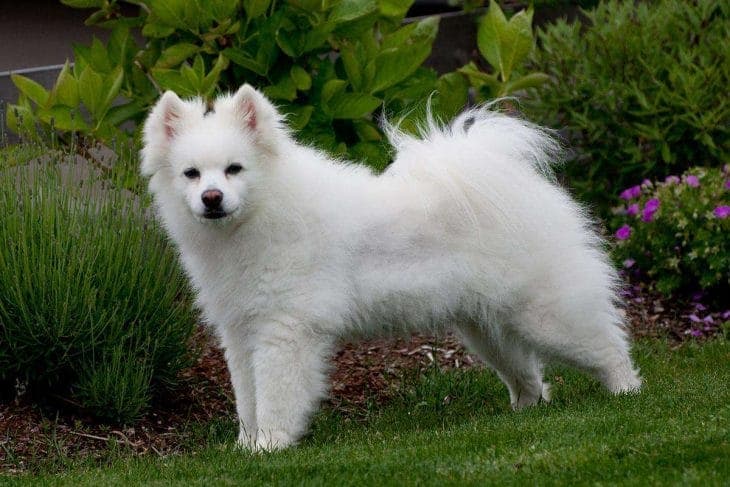
American Eskimo Dog (Miniature)

American Hairless Terrier

American Terrier

Andalusian Terrier
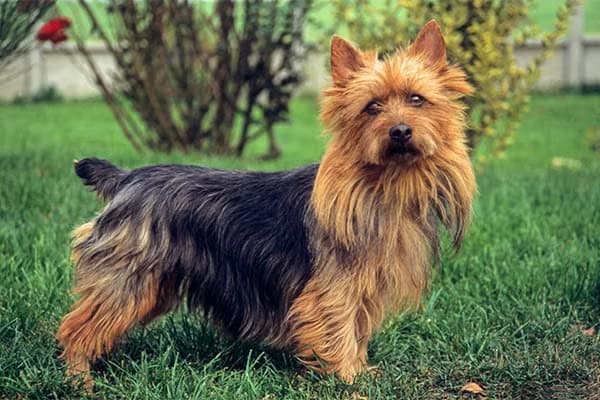
Australian Terrier
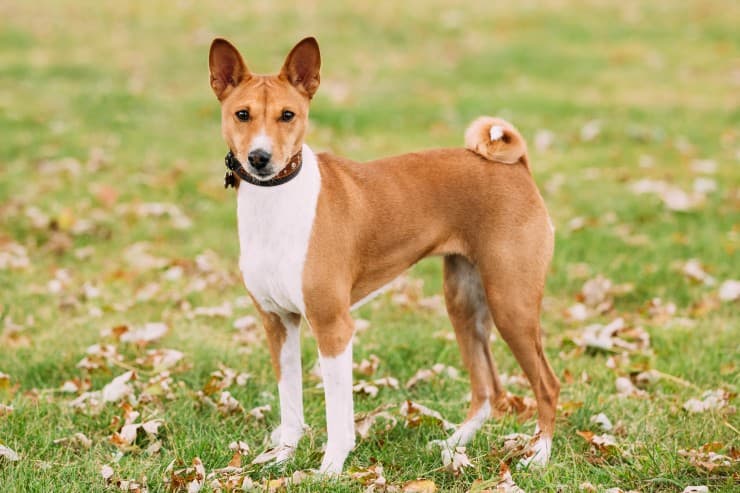
Basenji

Basset Fauve de Bretagne
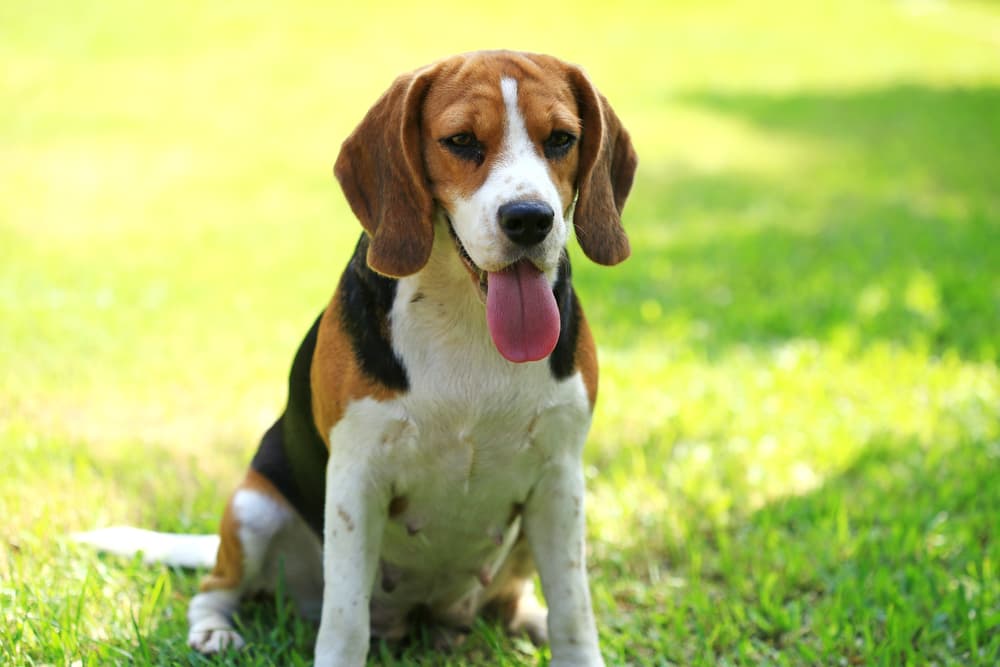
Beagle

Bedlington Terrier
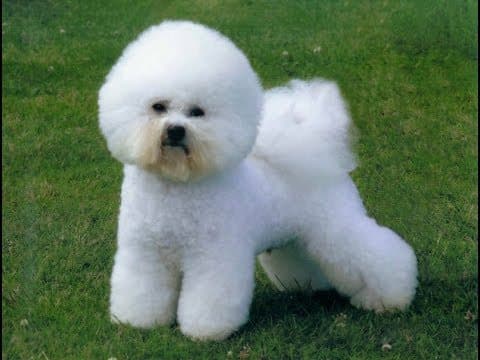
Bichon Frise

Bolognese

Border Terrier

Boston Terrier

Brussels Griffon

Cairn Terrier
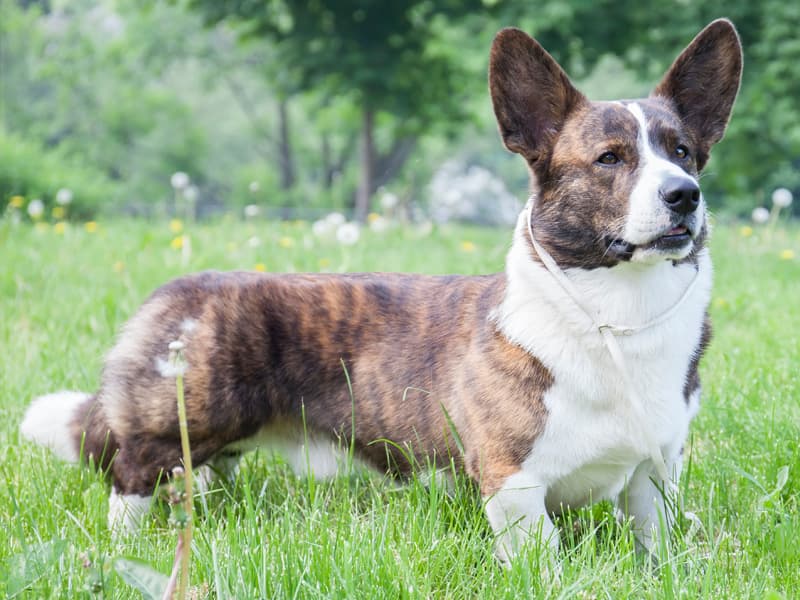
Cardigan Welsh Corgi

Cavalier King Charles Spaniel

Chihuahua

Chinese Crested
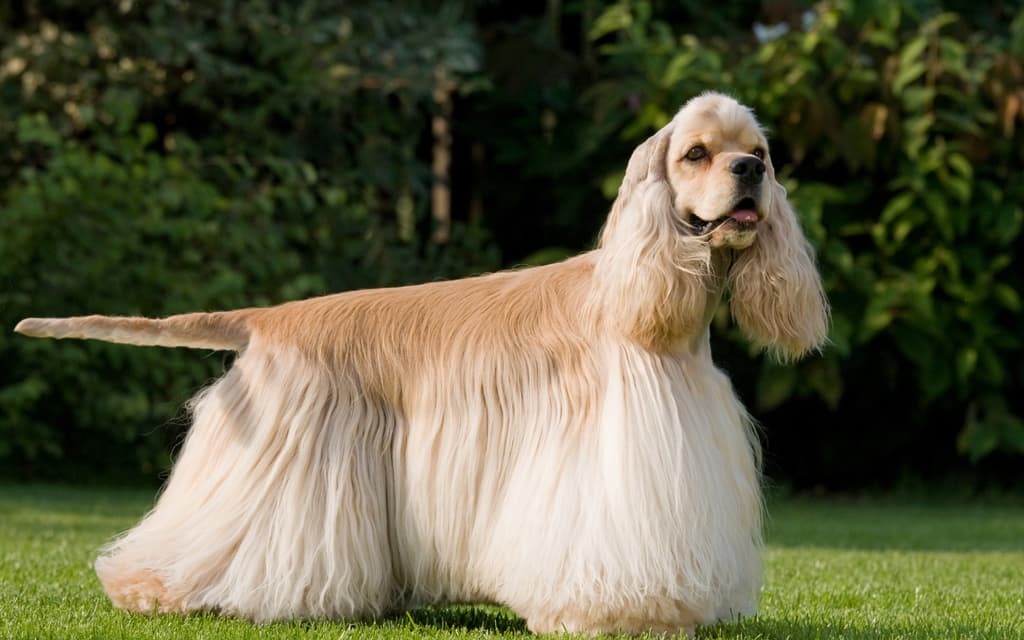
Cocker Spaniel (American)
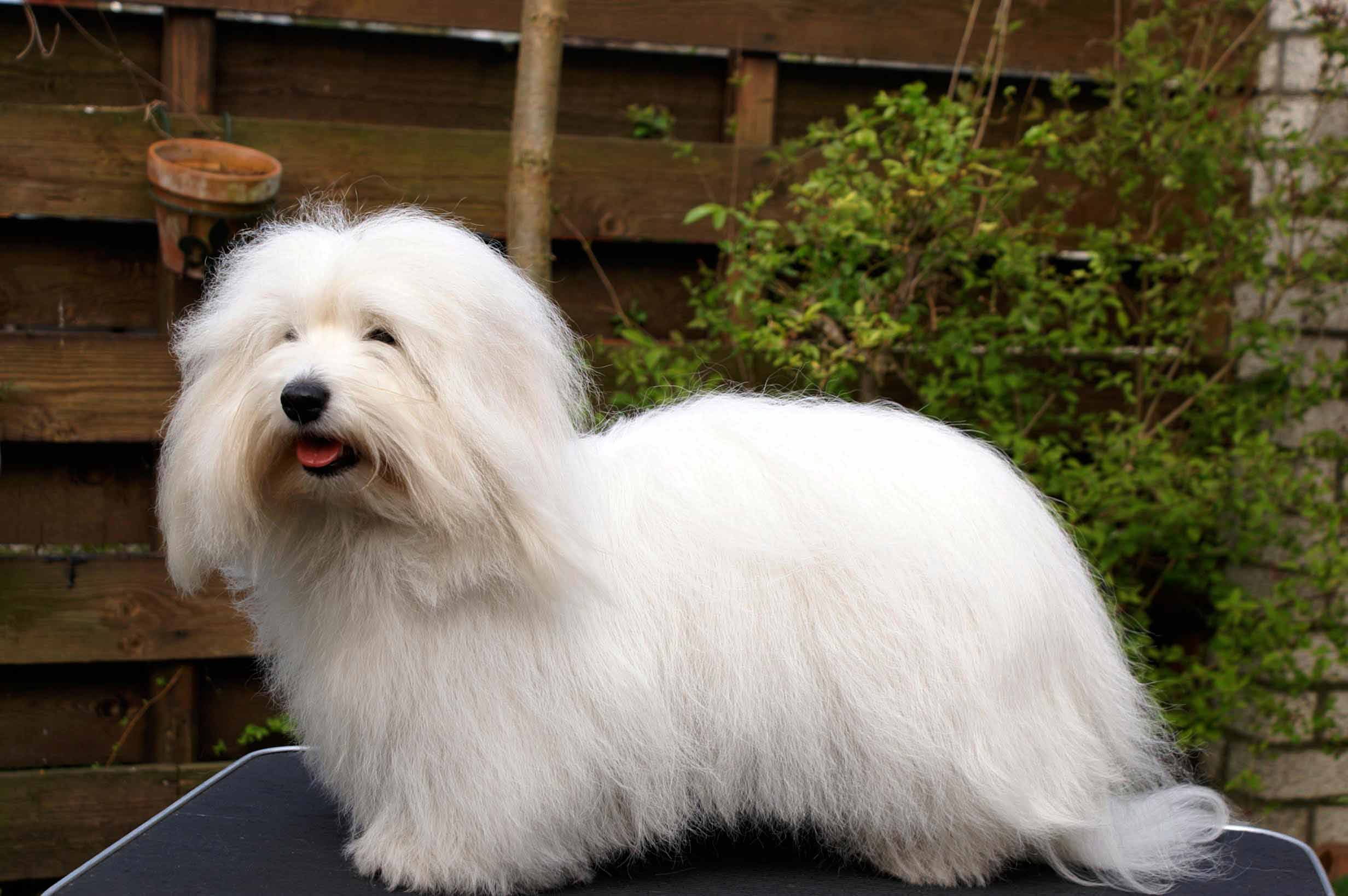
Coton de Tulear

Dachshund

Dandie Dinmont Terrier

Dandie Terrier

English Toy Spaniel

English Toy Terrier

Fox Terrier

French Bulldog

German Spitz

Griffon Bruxellois

Havanese

Italian Greyhound

Jack Russell Terrier
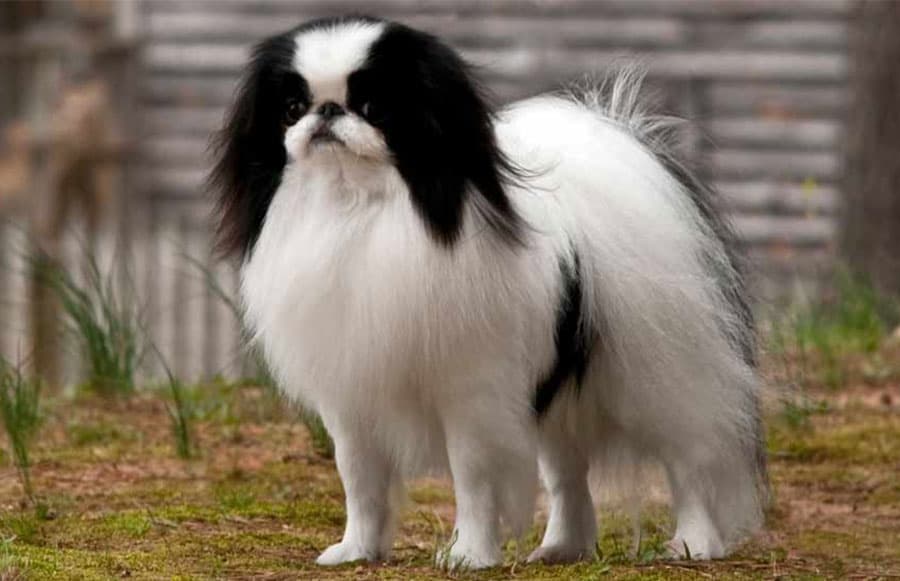
Japanese Chin
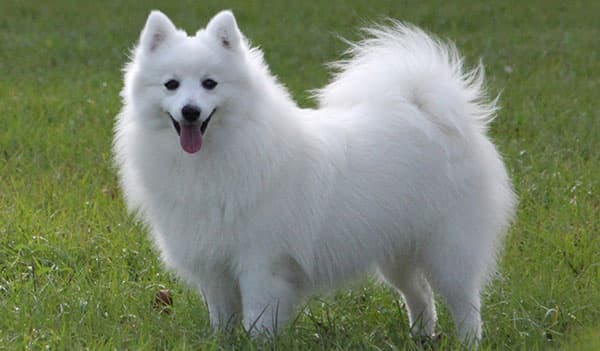
Japanese Spitz
Kerryblue Terrier

King Charles Spaniel

Kooikerhondje
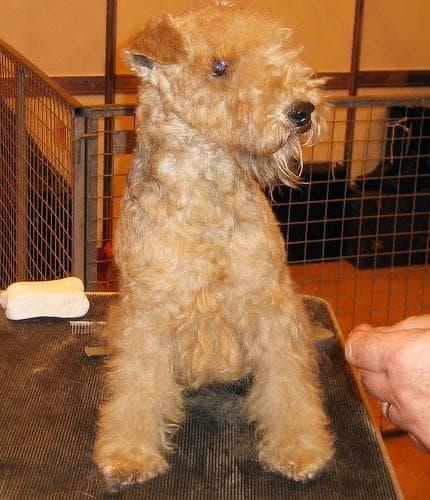
Lakeland Terrier
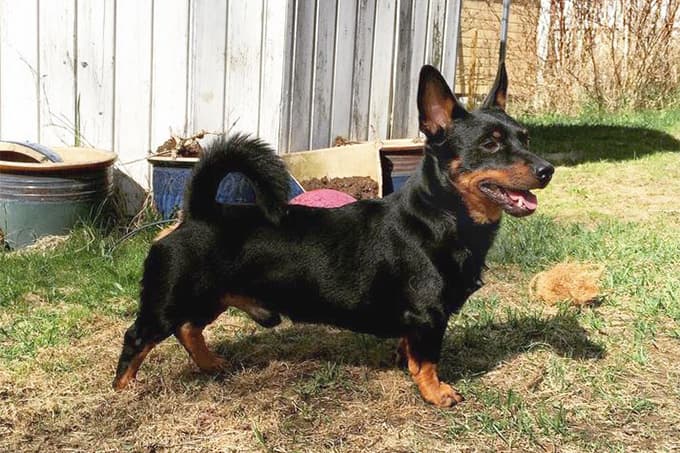
Lancashire Heeler

Lhasa Apso

Lowchen

Maltese

Miniature American Shepherd

Miniature Pinscher

Miniature Schnauzer
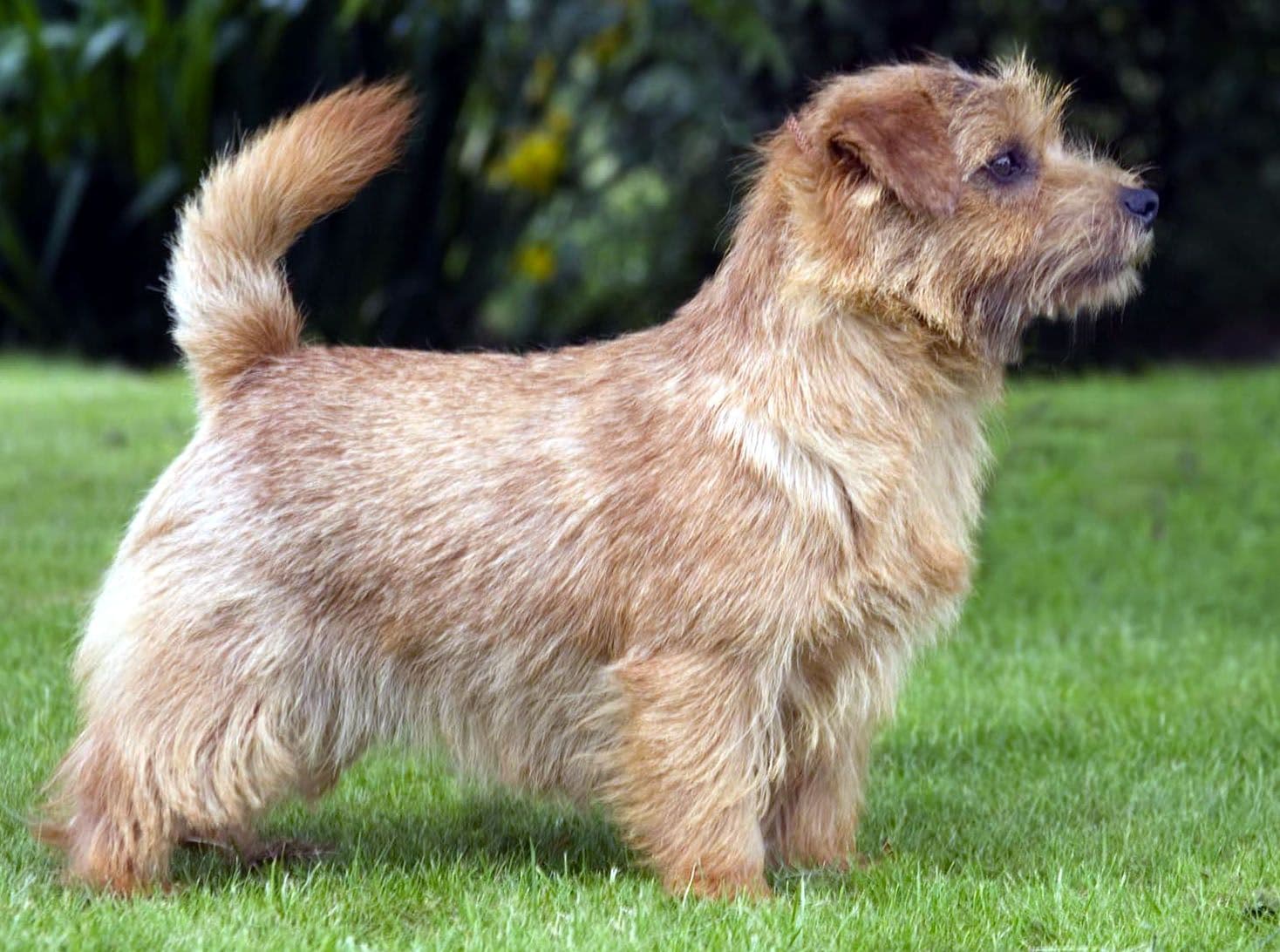
Norfolk Terrier

Norrbottenspets

Norwich Terrier
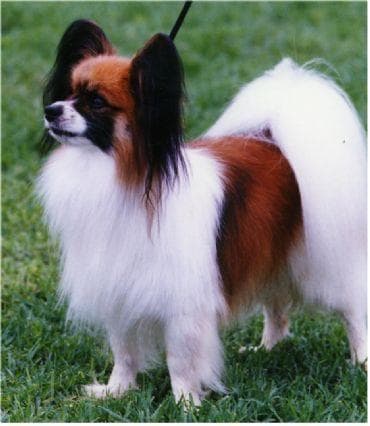
Papillon

Patterdale Terrier
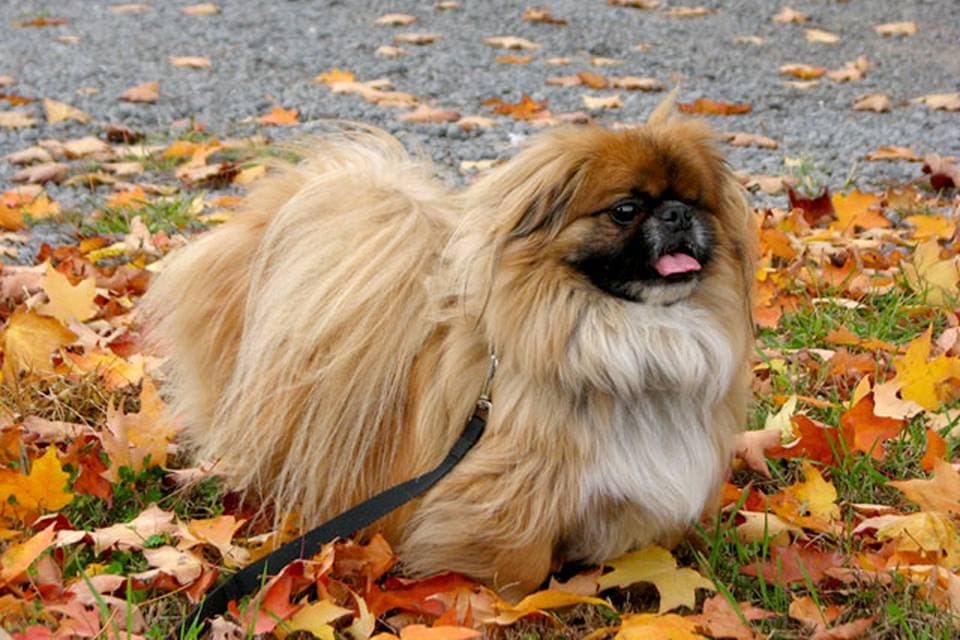
Pekingese
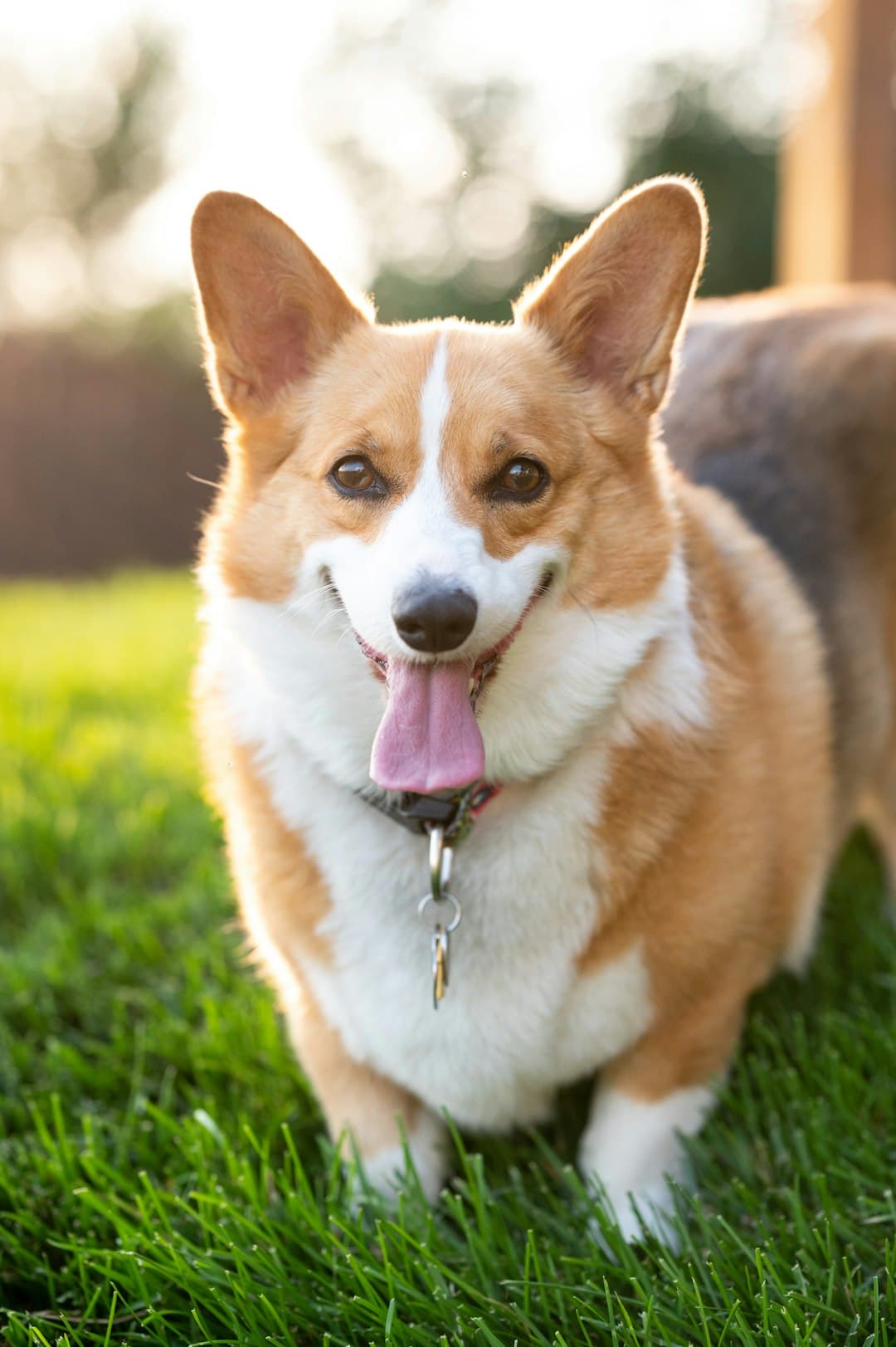
Pembroke Welsh Corgi

Pomeranian
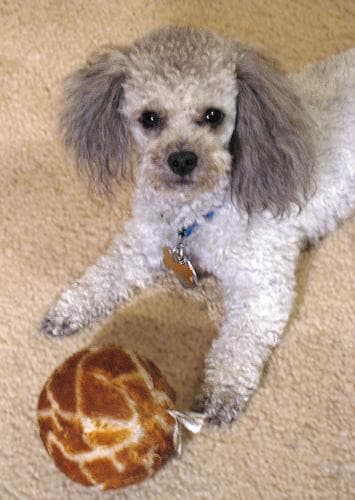
Poodle

Poodle (Miniature)

Pug

Puggle

Pumi

Rat Terrier

Russell Terrier

Russian Toy
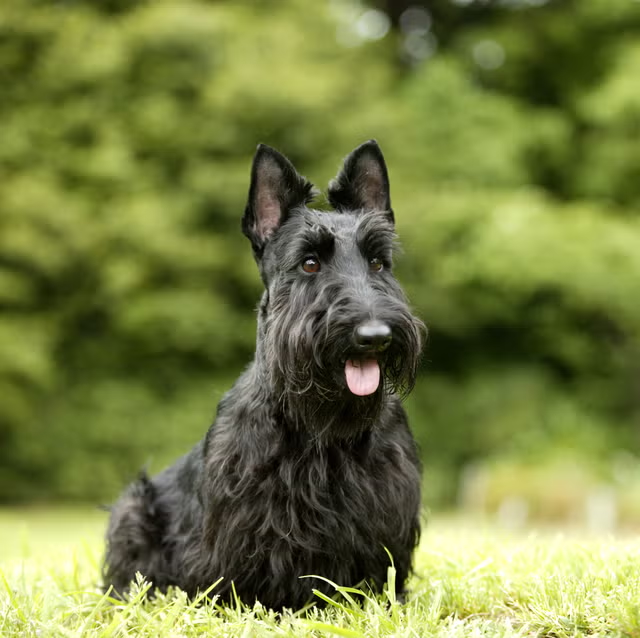
Scottish Terrier
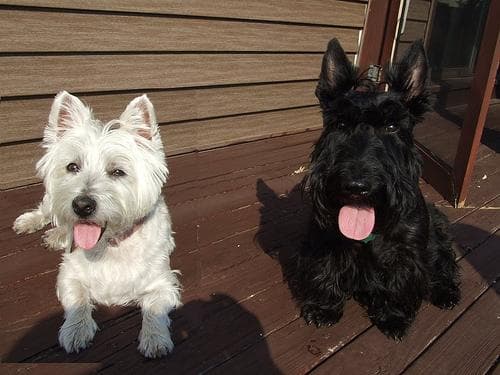
Sealyham Terrier
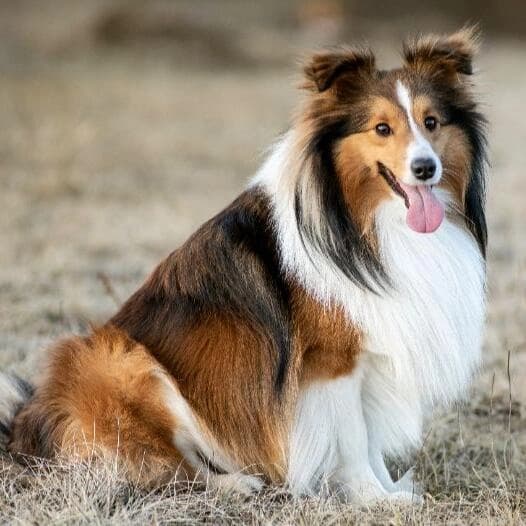
Shetland Sheepdog

Shiba Inu

Shih Tzu
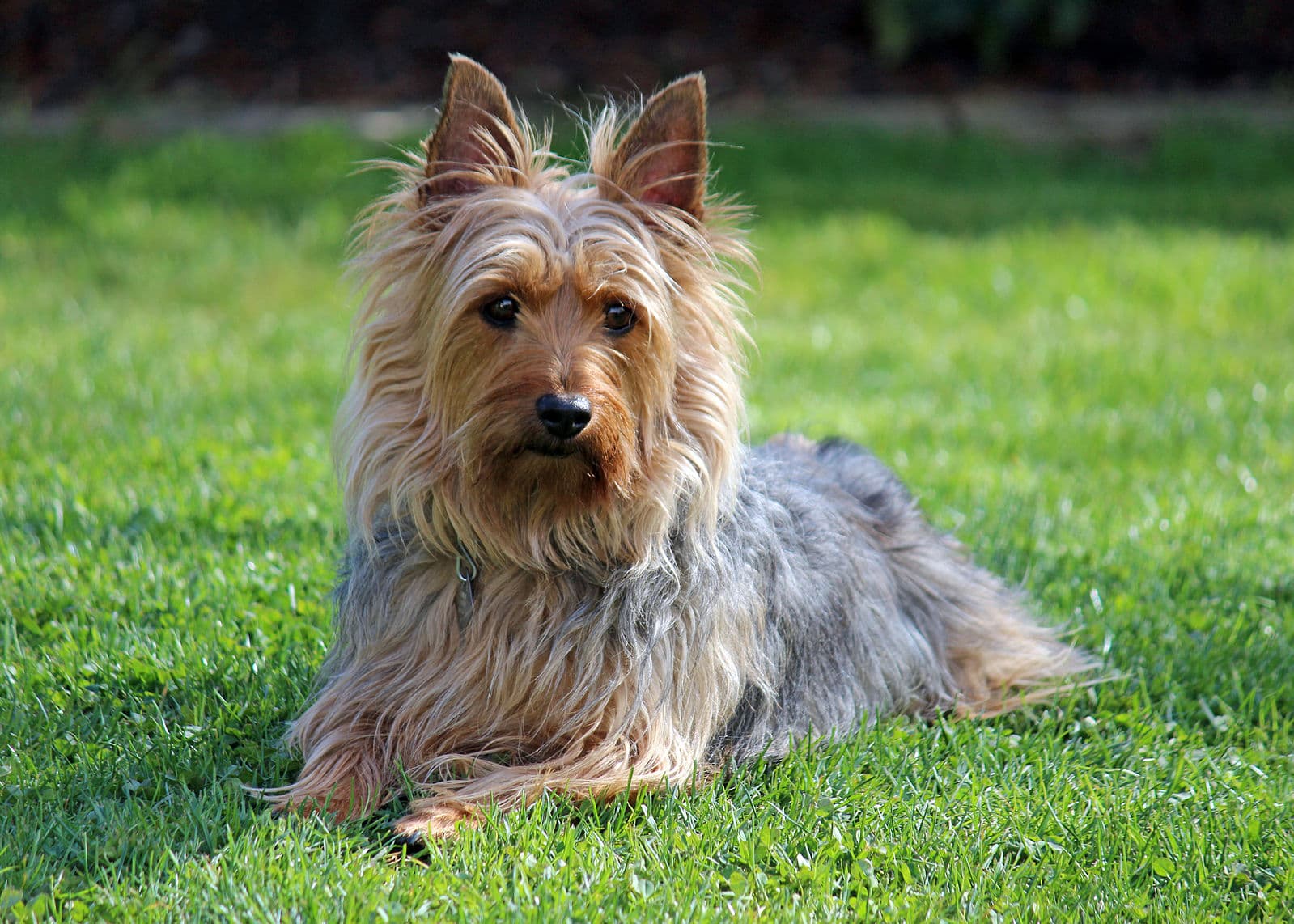
Silky Terrier

Skye Terrier
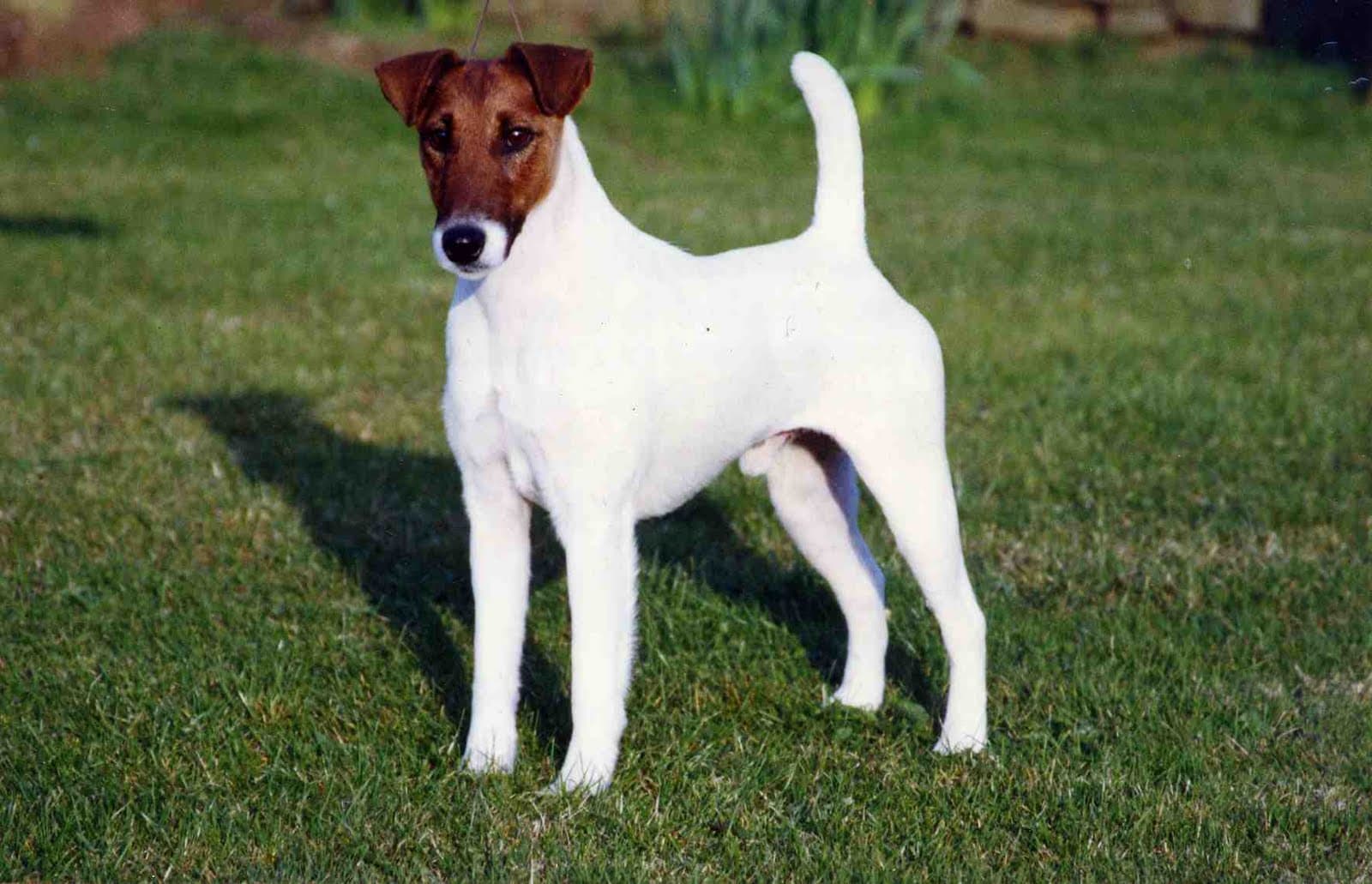
Smooth Fox Terrier
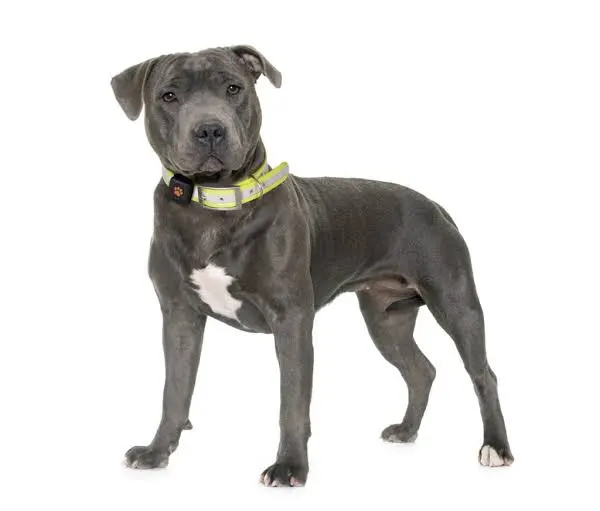
Staffordshire Bullterrier
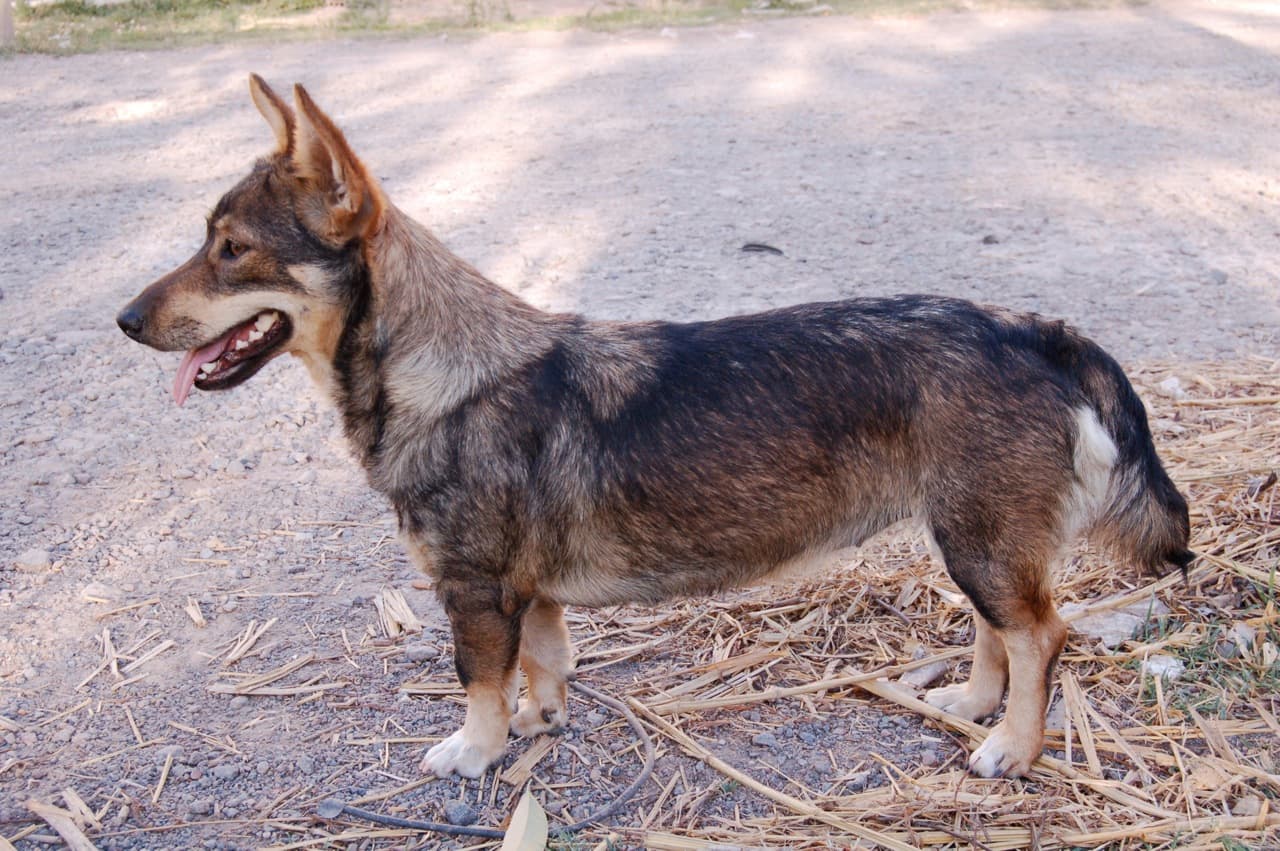
Swedish Vallhund
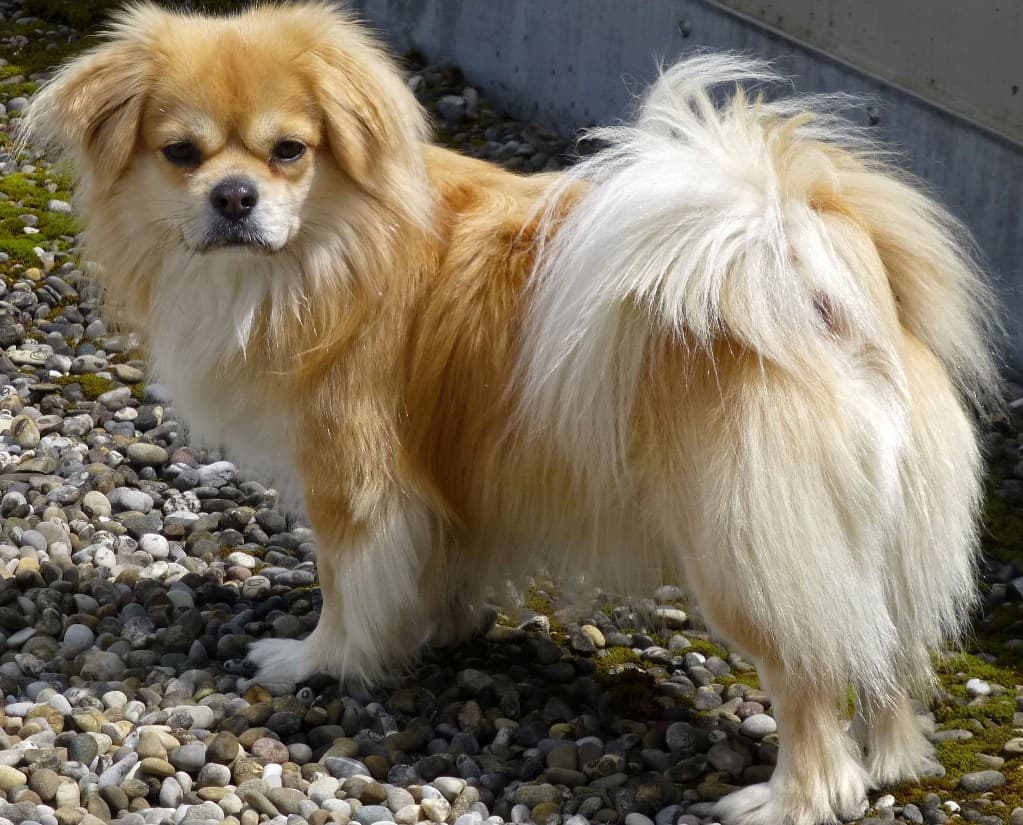
Tibetan Spaniel
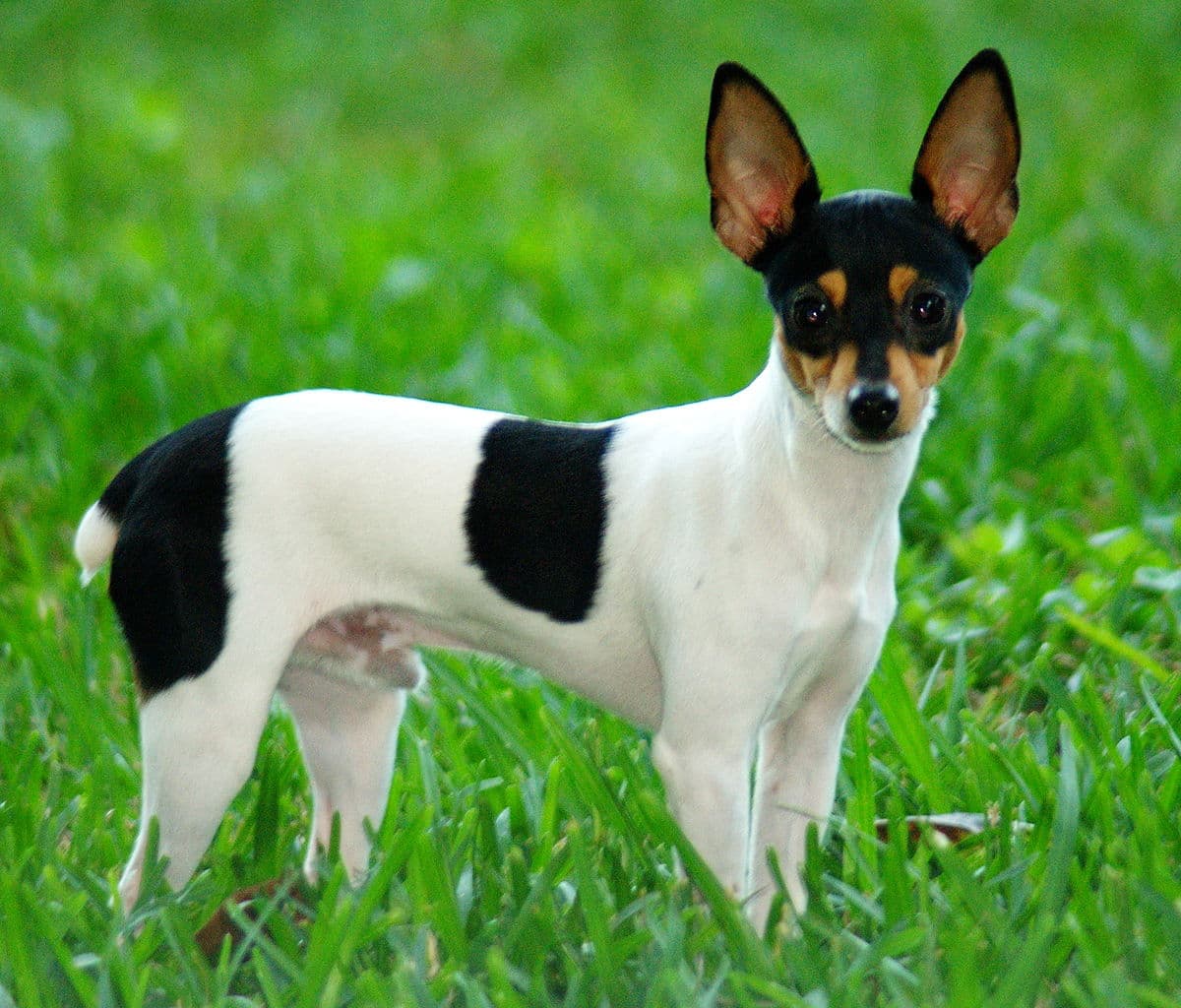
Toy Fox Terrier
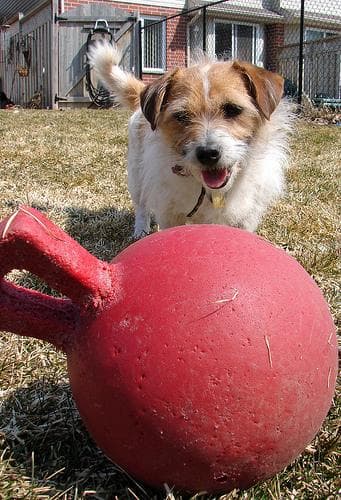
Toy Terrier
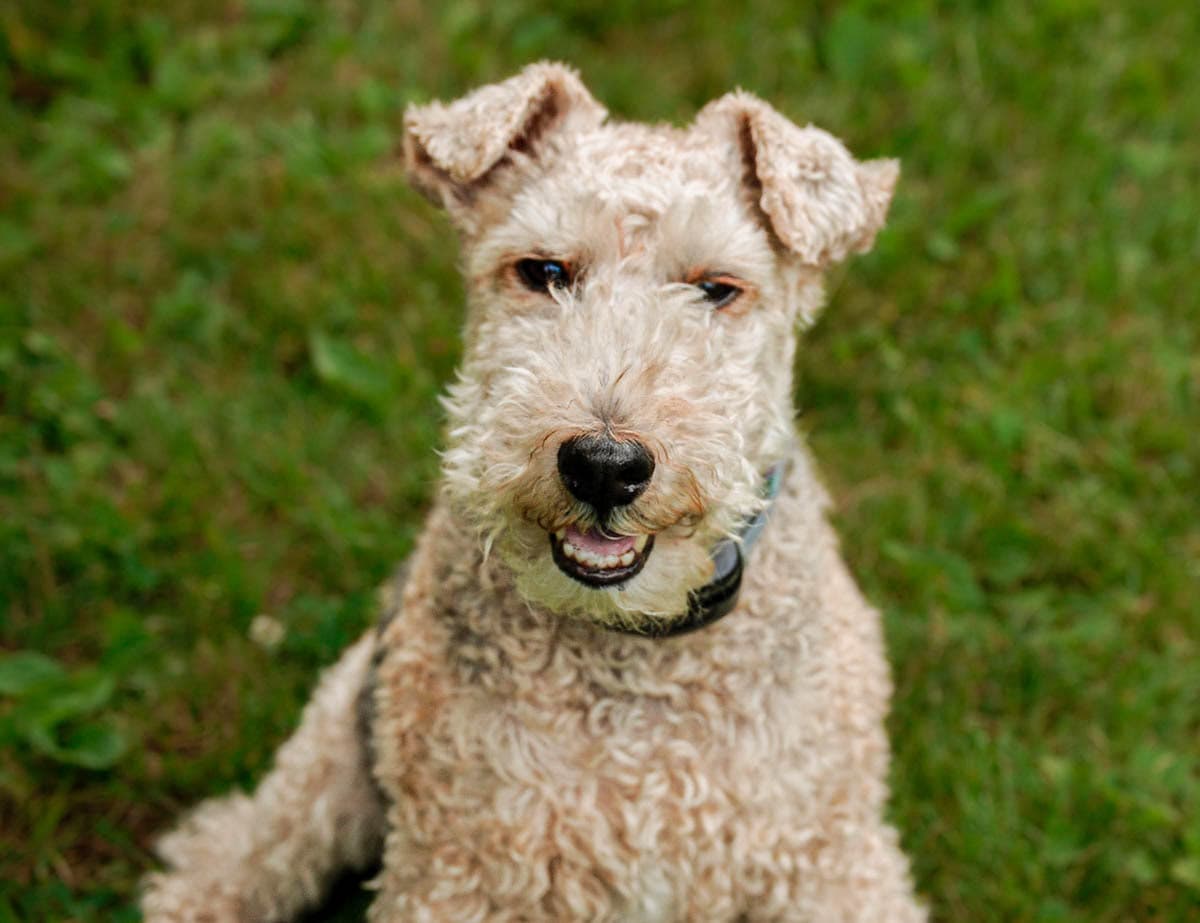
Welsh Terrier

West Highland White Terrier
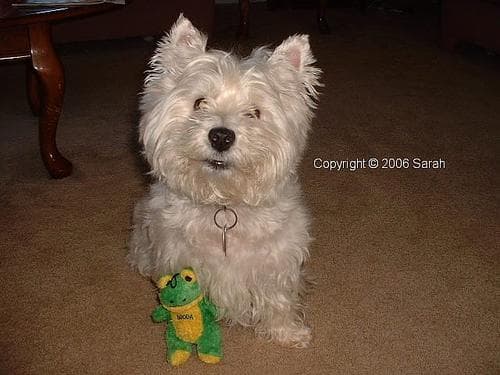
Westhighland Terrier

Wheaten Terrier
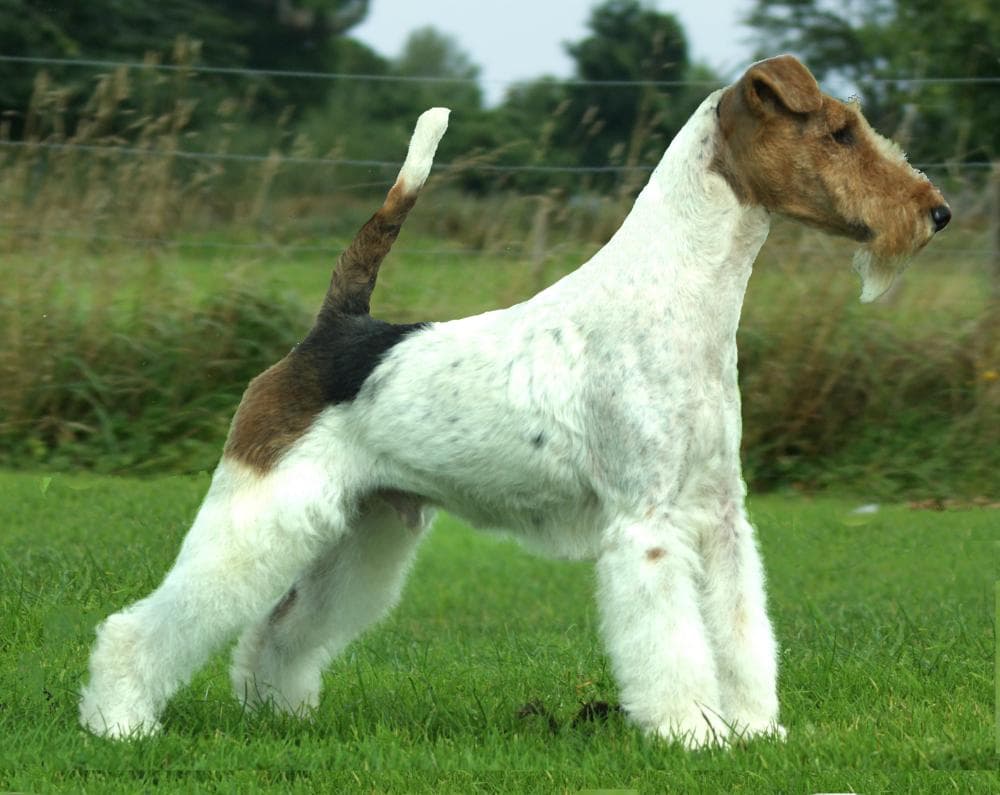
Wire Fox Terrier

Yorkshire Terrier

Yorkshire Terrier (Long Coat)

Zuchon
Frequently asked questions
What is considered a small dog breed?
On PawPedia, “small” covers breeds we classify under our small size band—typically dogs that mature roughly under about 25–30 pounds, including many AKC Toy and compact Non-Sporting or Terrier breeds. Exact weight ranges depend on each breed’s written standard.
Are all small dogs good apartment dogs?
Size helps, but energy and barking matter more. A quiet Cavalier differs from a vocal Beagle or high-drive Jack Russell type. Match exercise and noise tolerance to your building and neighbors.
Do small dogs need less exercise?
Often they need fewer miles, not zero activity. Short walks plus play and training usually suffice for many small breeds; working terriers and some herding mixes still need substantial mental work.
References
This guide summarizes publicly available breed-standard and veterinary education sources. Always consult your veterinarian for individual care.
- [1]Dog Breed Groups — American Kennel Club
- [2]Toy Group — American Kennel Club
- [3]Pet Dental Care — AVMA
- [4]How Long Will Your Dog Live? Size Matters — American Kennel Club
- [5]Patellar Luxation — Orthopedic Foundation for Animals