PawPedia breed guide
Hypoallergenic dog breeds
Lower-shedding companions for allergy-conscious homes—what the label really means, grooming trade-offs, and breeds often discussed as more manageable.
30 breeds · Updated 2026-08-15
Searching for hypoallergenic dog breeds usually means you want less hair on the couch and a better shot at living with a dog if you’re allergy-prone. Important reality check up front: no breed is completely allergen-free. Major kennel and allergy organizations emphasize that reactions come from proteins in dander, saliva, and urine—not just visible shedding (AKC overview, AAAAI pet allergy).
This guide lists 30 breeds we flag as lower-shedding or commonly discussed as allergy-friendlier (curly, corded, or wiry coats and related types). Use it as a shortlist, then spend time with the actual dog—and talk with your allergist—before you adopt or buy.
What “hypoallergenic” really means
In everyday use, the word points to dogs that tend to leave less loose hair and dander around the house. Many have continuously growing coats that trap shed hair until brushed or clipped out. That can help some people—and still bother others.
Allergen load also depends on the individual dog, sex, intact vs neutered status, bathing habits, and how much time the dog spends indoors. A “hypoallergenic” label is a starting filter, not a medical promise.
The grooming trade-off
Less shedding often means more human labor. Poodles, many doodle mixes, Bichons, and similar coats need frequent brushing and professional grooming so mats don’t form against the skin. Skipping grooming can raise odor, skin issues, and—ironically—allergen buildup in the coat.
Budget for clippers or a groomer every 4–8 weeks for many of these breeds, plus at-home brushing several times a week. If that cadence isn’t realistic, a moderate shedder with excellent home cleaning may be a better lifestyle fit.
Living tips if you have allergies
Pair breed choice with habits that allergy groups commonly recommend: keep sleeping areas dog-light if you’re sensitive, vacuum with HEPA filtration, wash dog bedding regularly, bathe on a schedule your vet approves, and consider an air purifier in rooms you use most (AAFA pet allergies).
Still unsure which lifestyle fits? Take our breed match quiz and favor curly or low-shed answers—then compare finalists side by side in Compare.
How to choose from this list
Start with size and energy, not coat alone. A high-drive Portuguese Water Dog and a calm adult Bichon both appear on many “hypoallergenic” lists but ask for very different days. Open each profile for exercise, alone-time tolerance, and grooming notes.
Meet dogs in person when possible—ideally in a home setting—and give yourself time afterward to notice symptoms. Rescue fosters and responsible breeders who allow visits make that easier than buying sight-unseen.
Lower-shedding & allergy-friendlier profiles
Browse 30 profiles. Open any breed for temperament, care, and lifestyle scores.
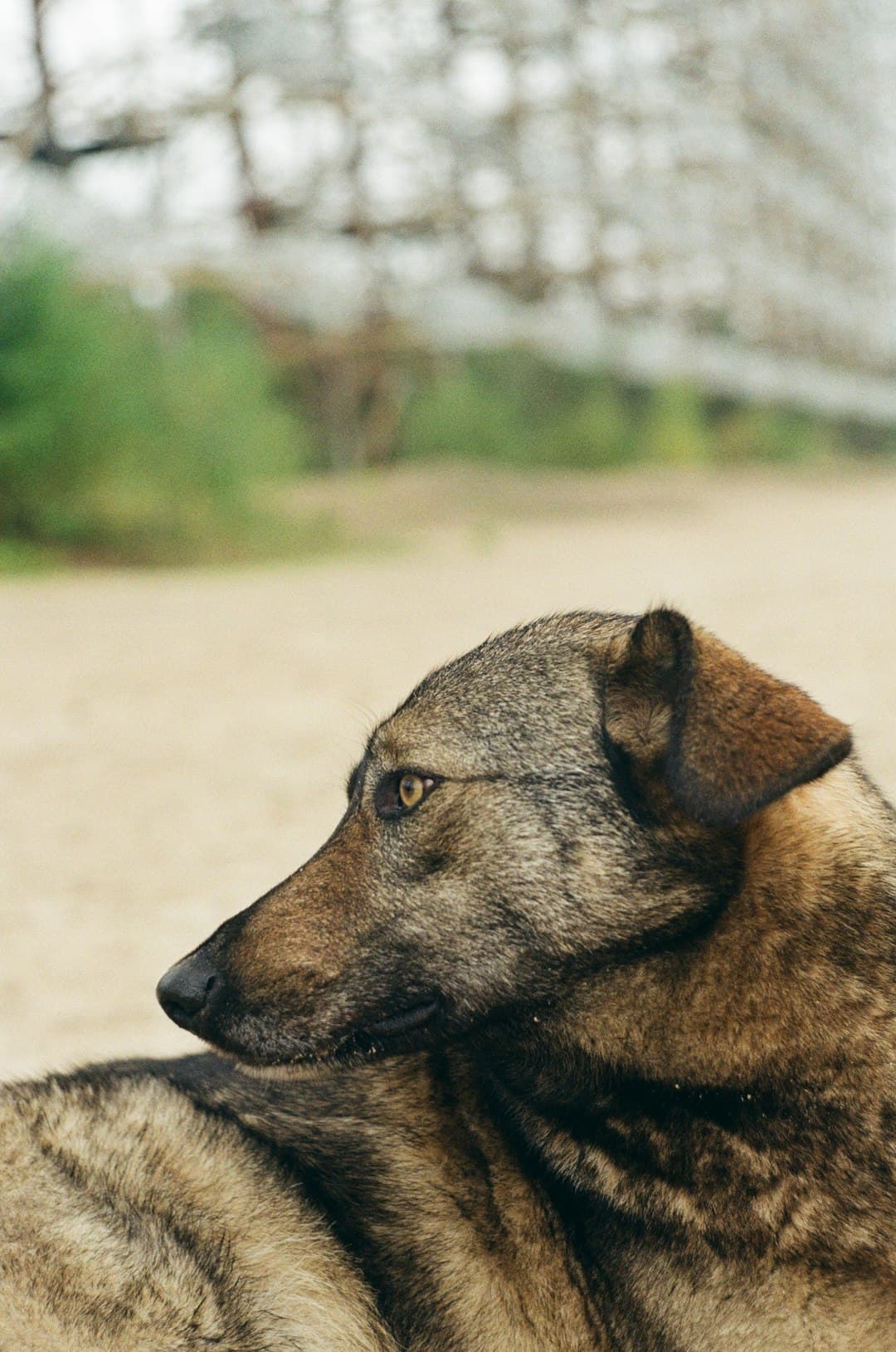
Afghan Hound
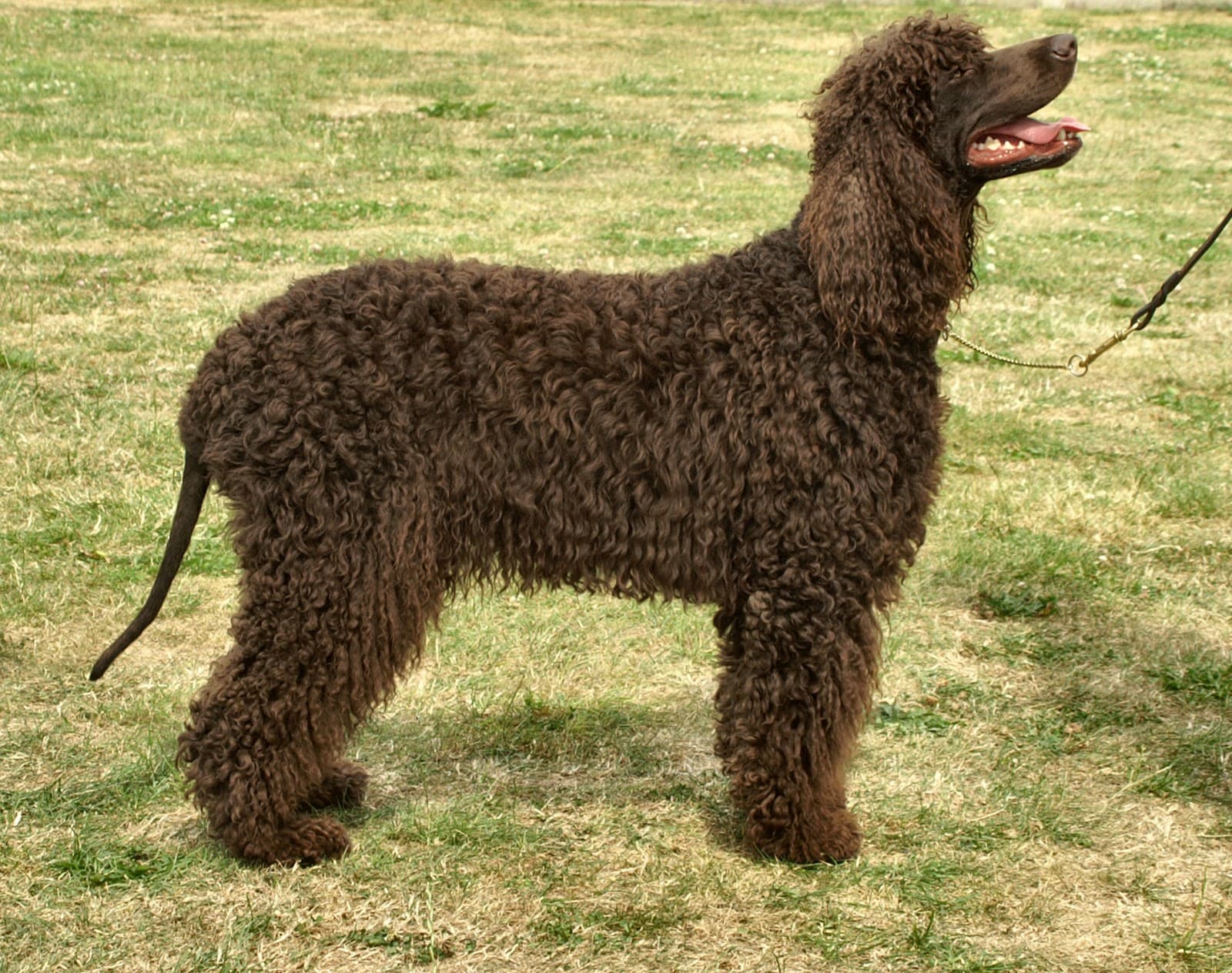
American Water Spaniel

Barbet
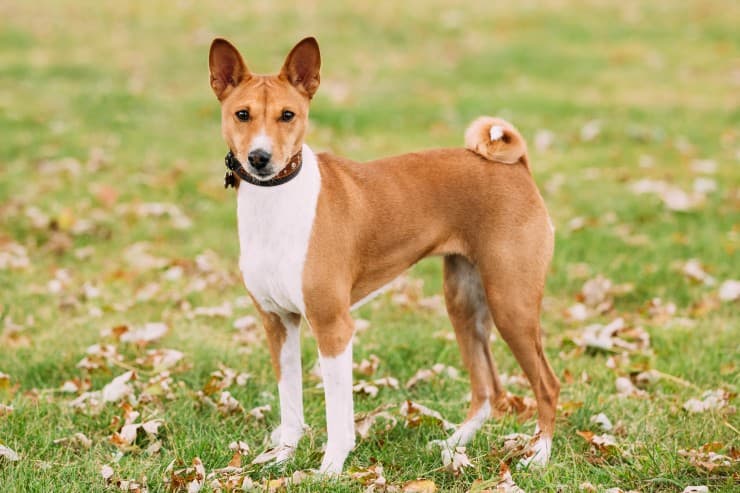
Basenji
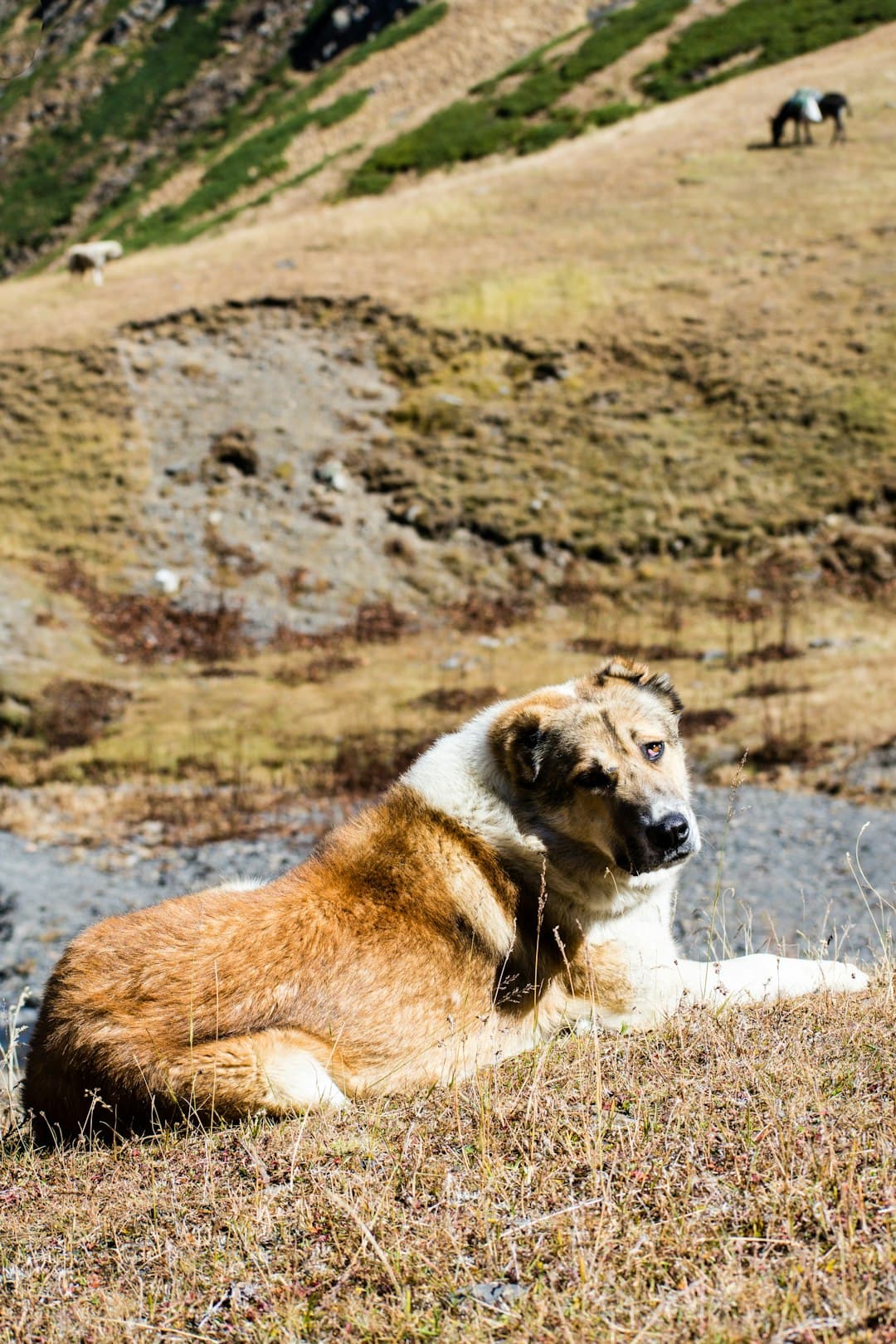
Bernedoodle
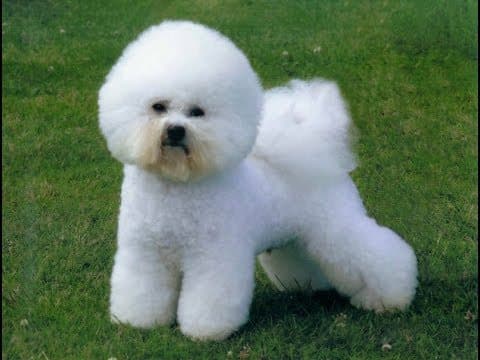
Bichon Frise

Chihuahua
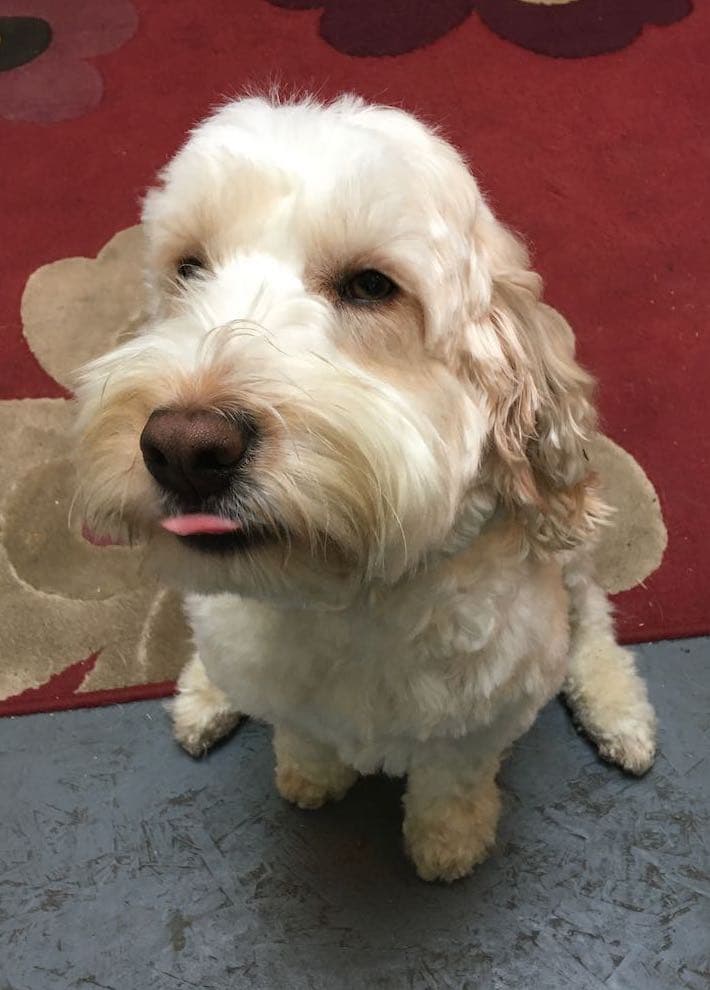
Cockapoo
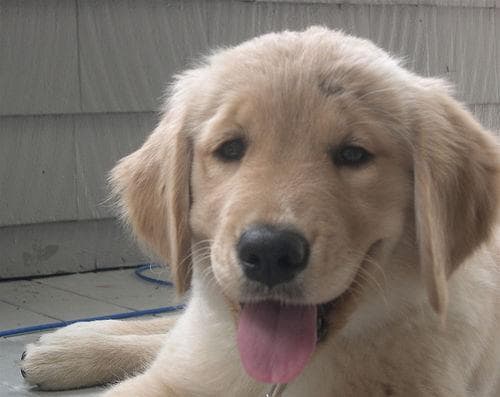
Curly Coated Retriever
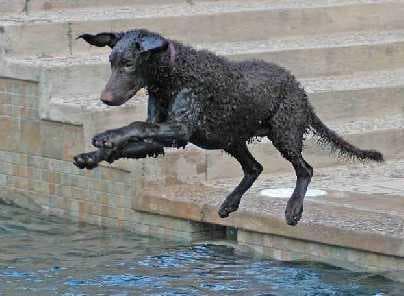
Curly Retriever

French Bulldog
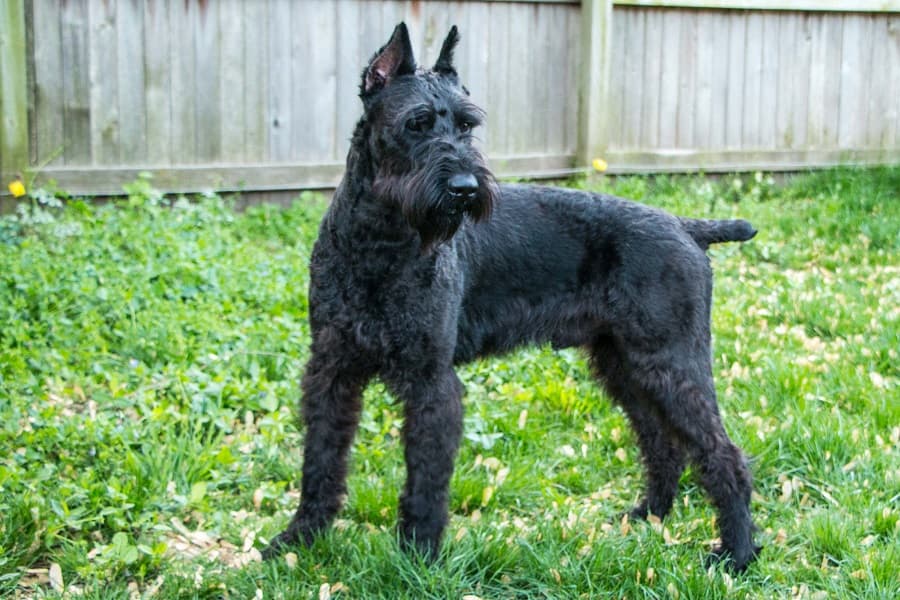
Giant Schnauzer

Goldendoodle
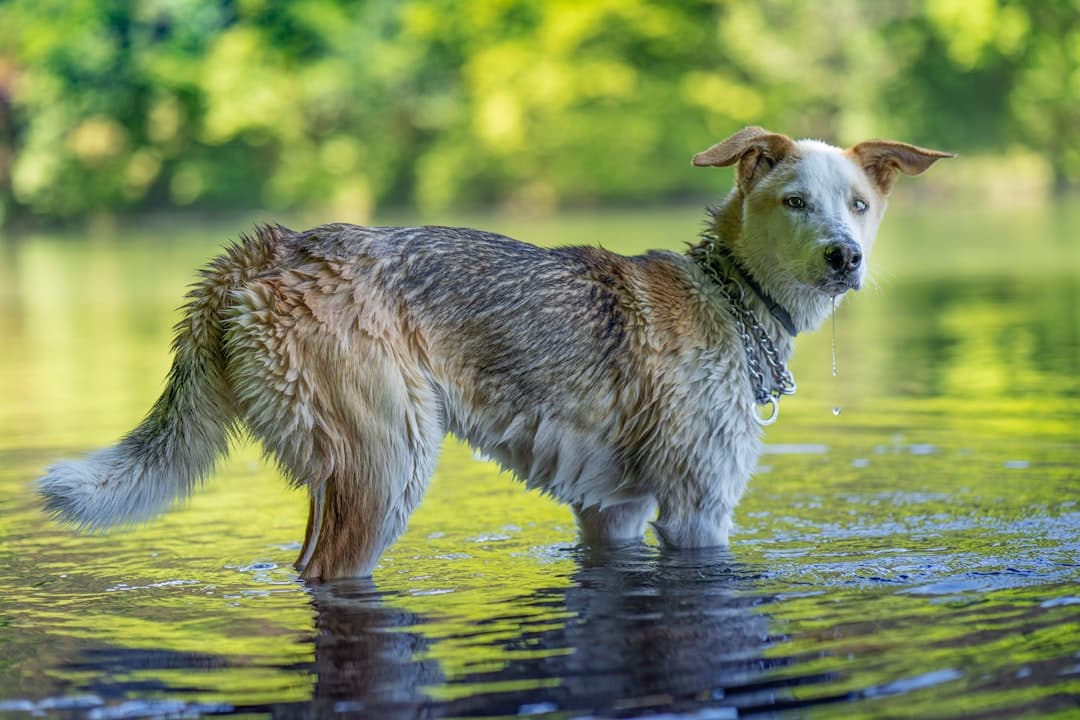
Irish Water Spaniel
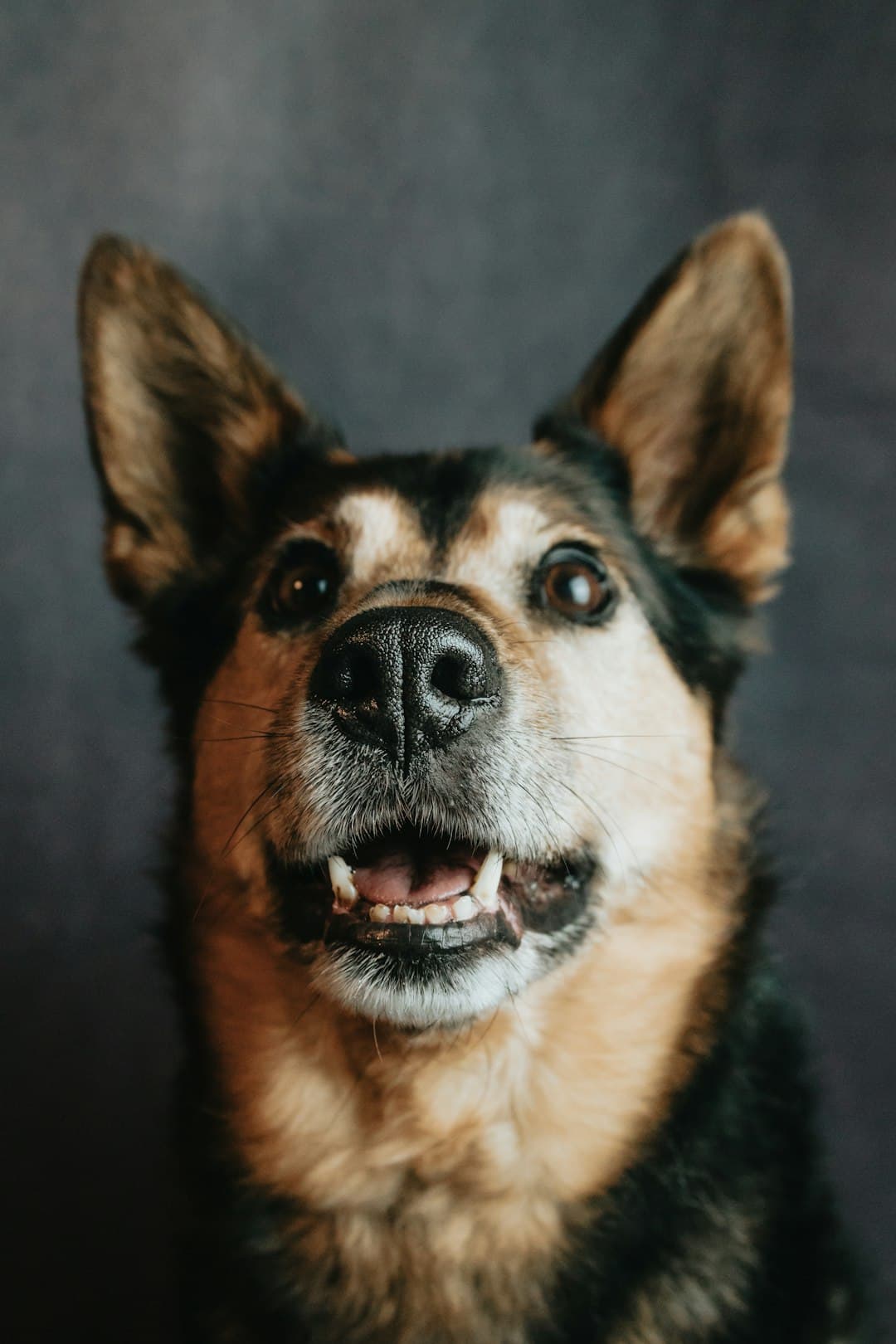
Labradoodle
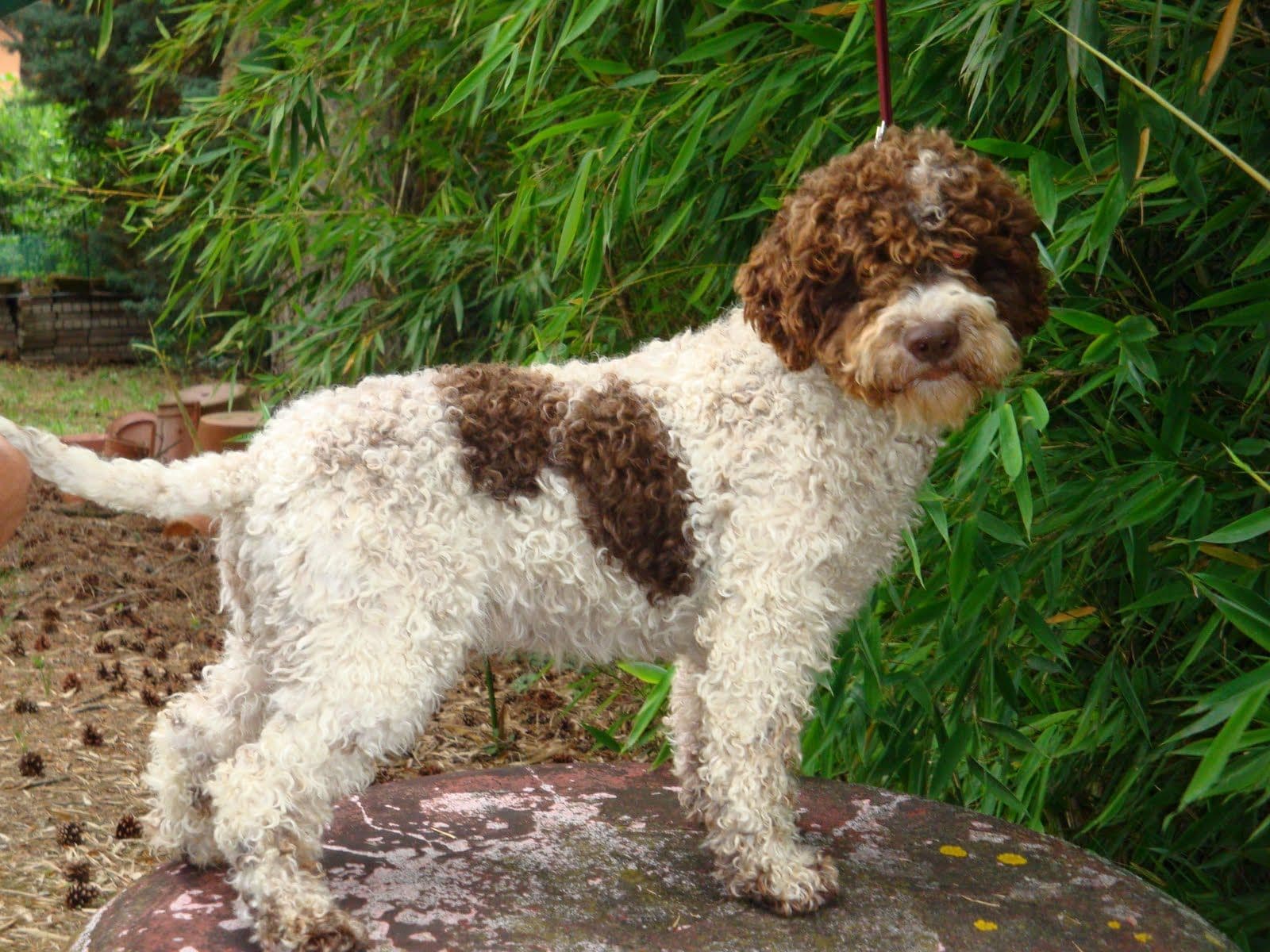
Lagotto Romagnolo

Maltese
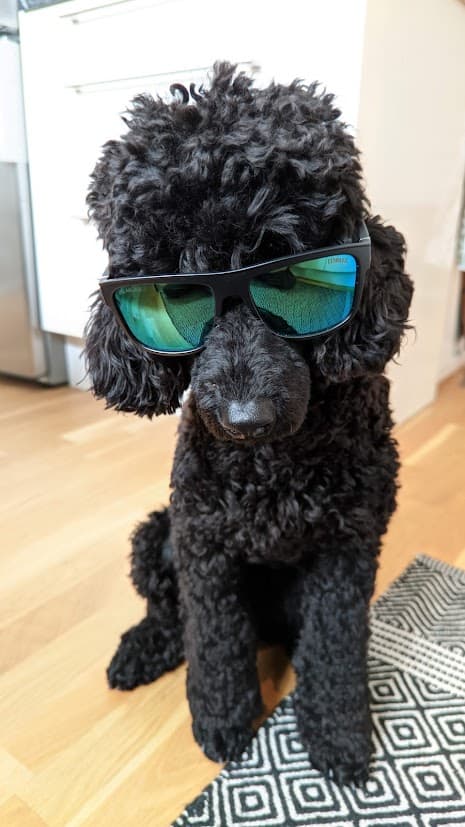
Medium Poodle

Miniature Schnauzer
Poodle
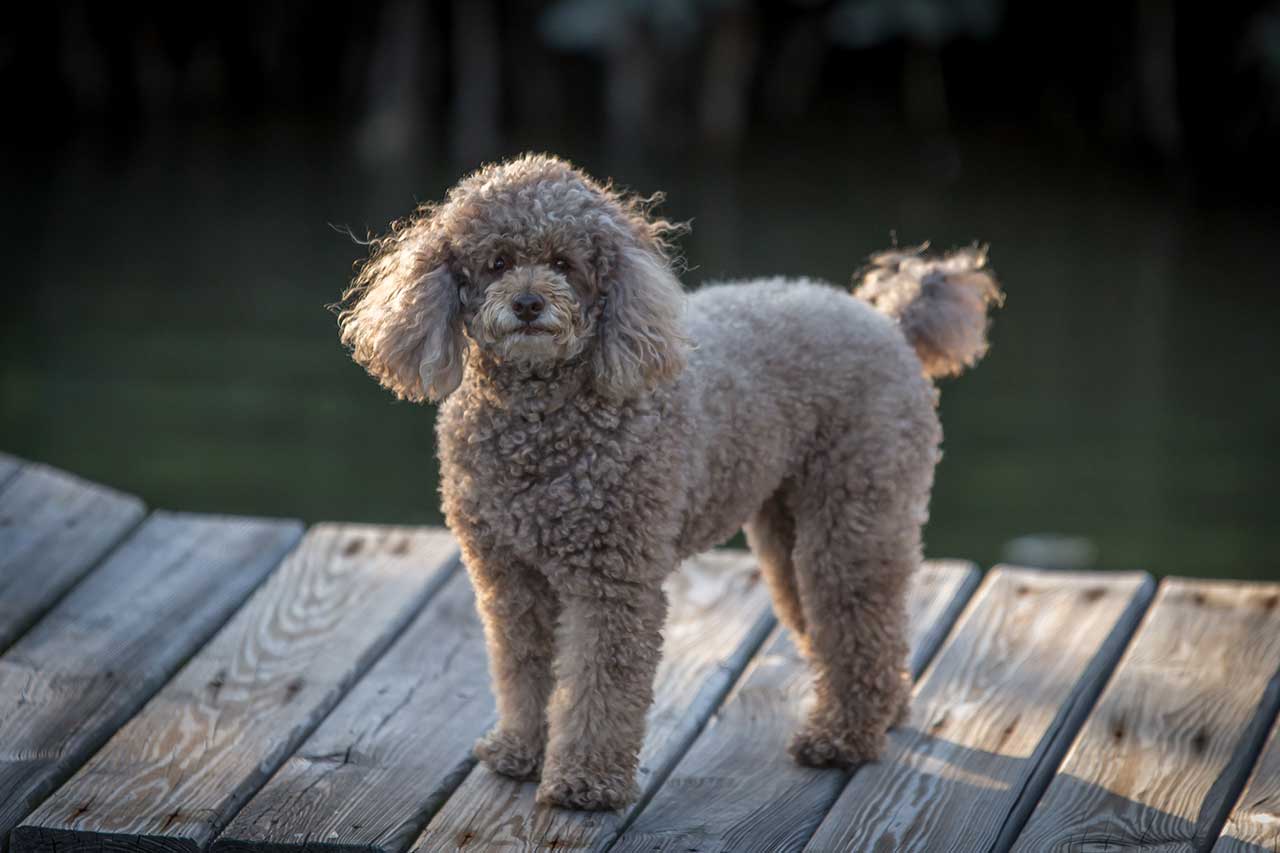
Poodle (Miniature)

Poodle (Standard)
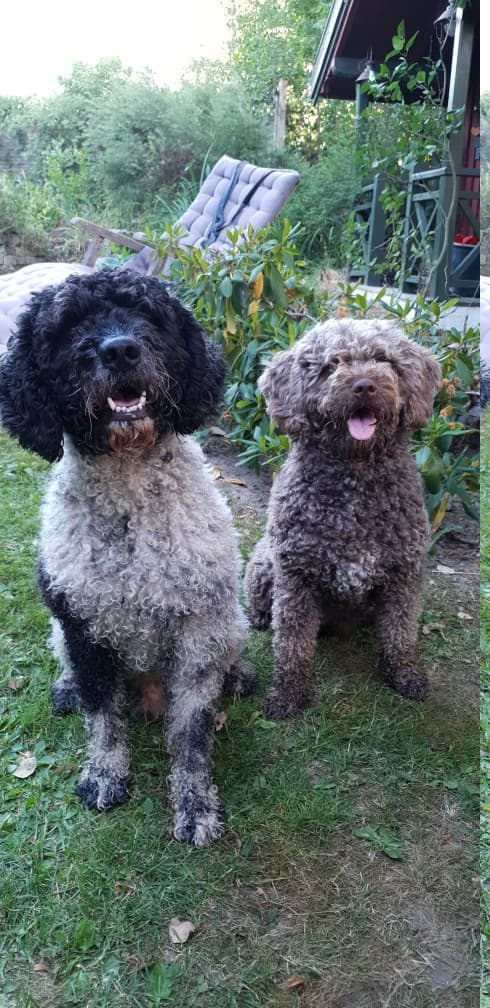
Portuguese Water Dog
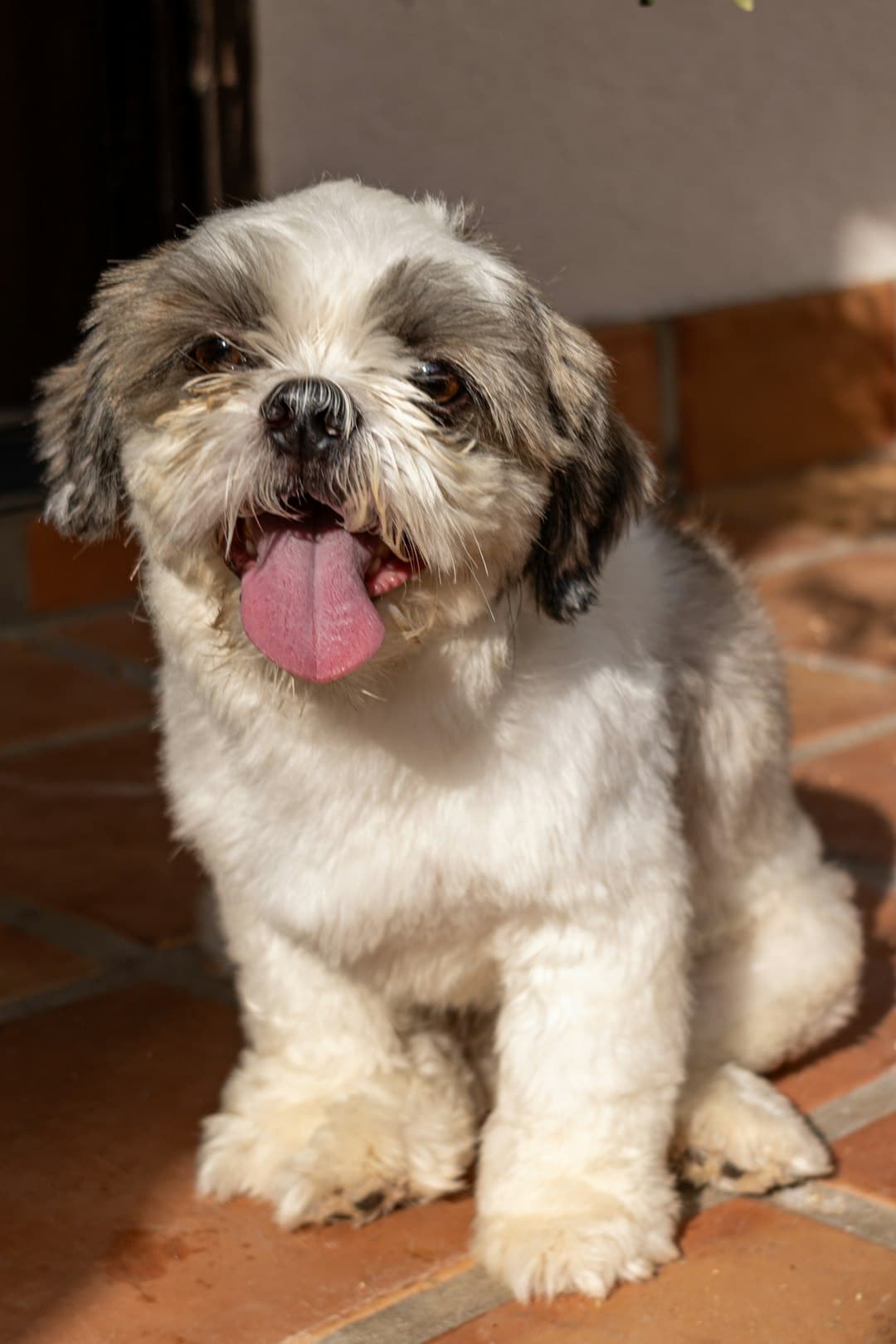
Shih Tzu
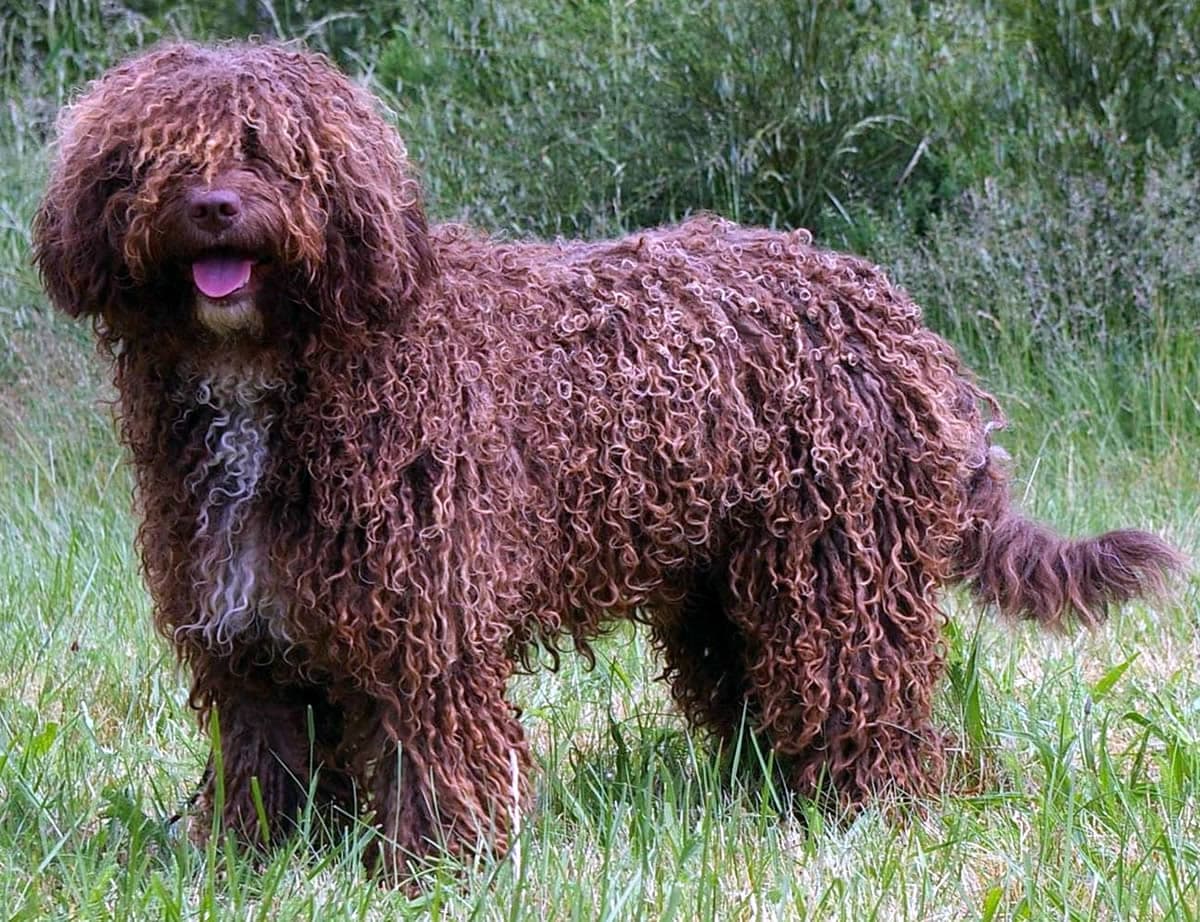
Spanish Water Dog
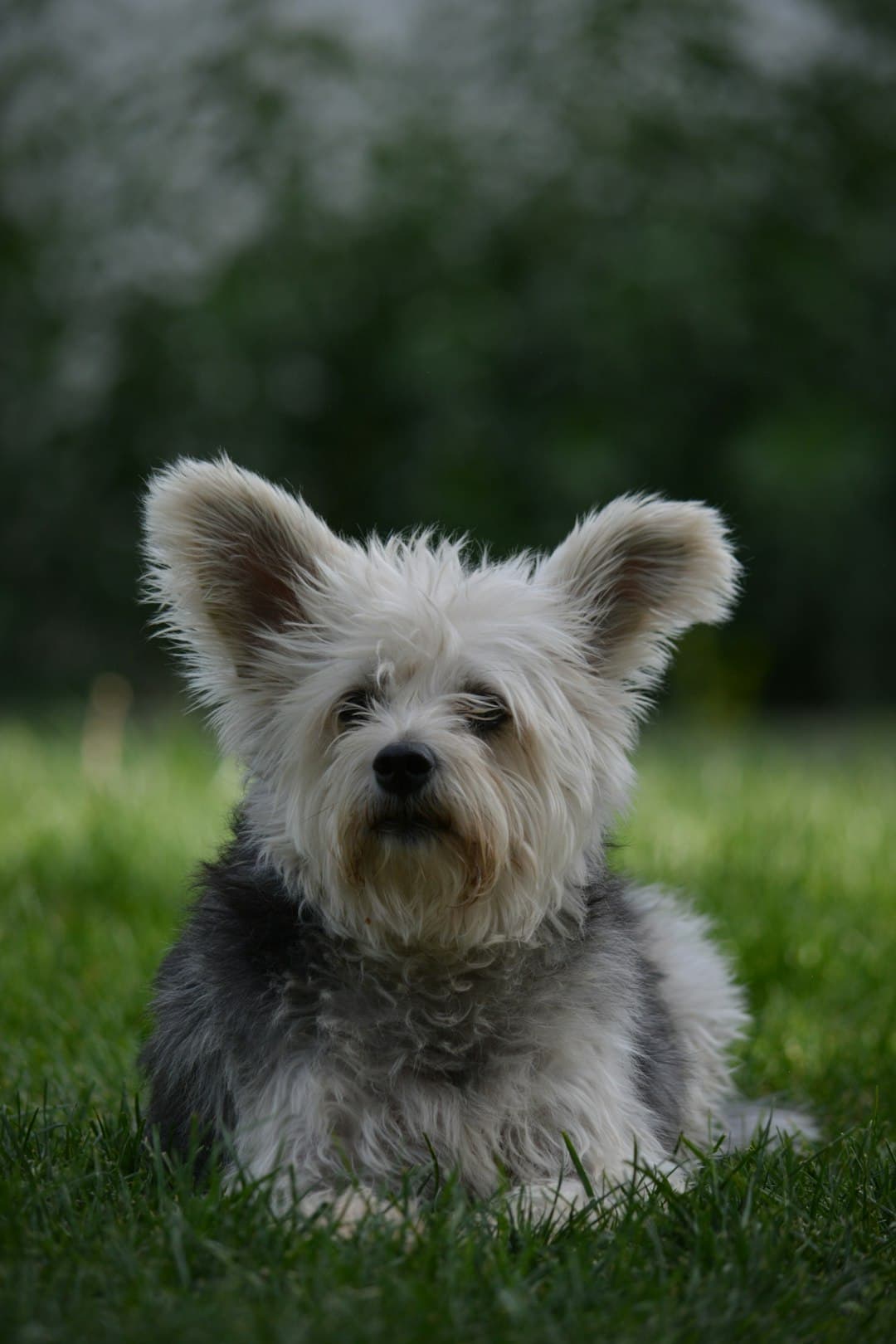
Standard Poodle
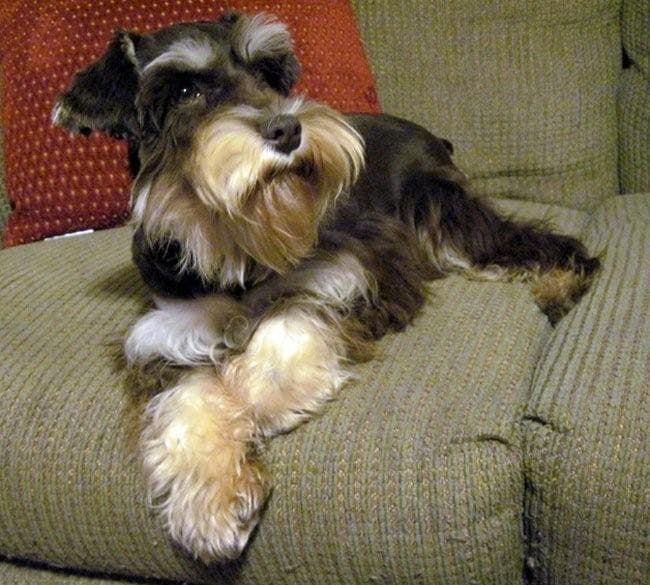
Standard Schnauzer

Yorkshire Terrier
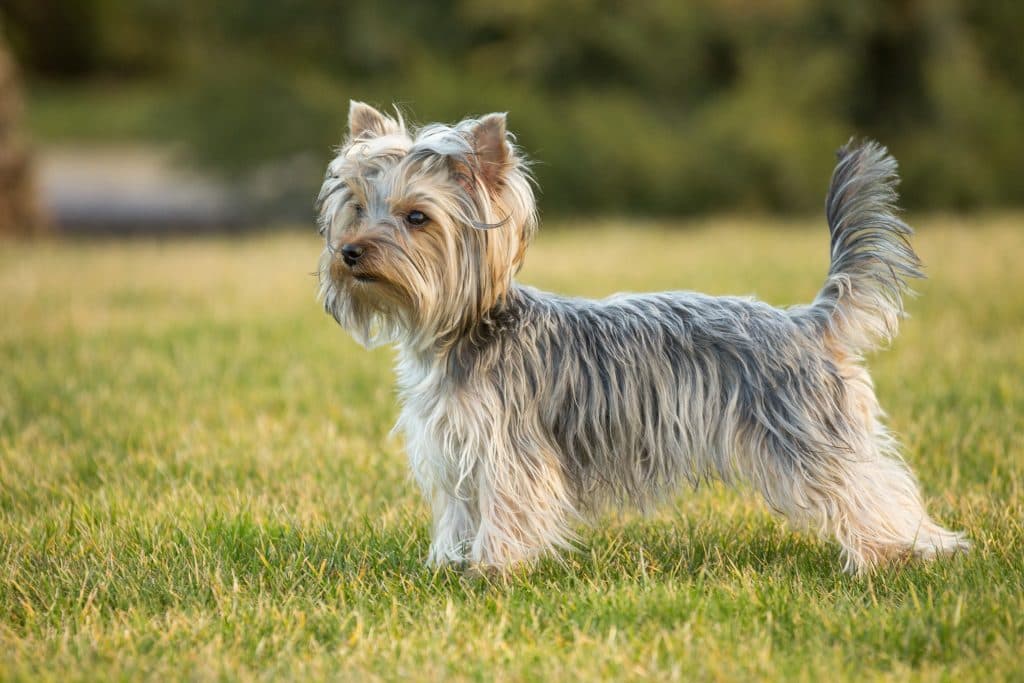
Yorkshire Terrier (Long Coat)
Zuchon
Frequently asked questions
Are any dogs truly hypoallergenic?
No. “Hypoallergenic” usually means a breed tends to shed less visibly or produce less loose dander in the home—not zero allergens. Proteins in saliva, urine, and dander can still trigger reactions. Always spend time with the individual dog before committing.
What dog breeds are best for allergies?
People often look at Poodles and Poodle mixes, Bichon Frise, Maltese, Portuguese Water Dogs, Schnauzers, and some wiry terriers. Results vary by person and by dog. Grooming, bathing, and home cleaning matter as much as breed choice.
Do hypoallergenic dogs need more grooming?
Often yes. Coats that shed less still grow and can mat. Many low-shed breeds need regular brushing and professional clipping every 4–8 weeks. Budget time and money for coat care.
Is a Goldendoodle or Labradoodle hypoallergenic?
Designer “doodle” mixes vary widely depending on coat genetics. Some shed less; others shed like their Retriever parent. There is no guarantee—meet the puppy’s parents when possible and plan for grooming either way.
How can I reduce dog allergens at home?
Keep the dog off the bed if you’re sensitive, vacuum with a HEPA filter, bathe and brush on a schedule, wash bedding often, and ask an allergist about testing and treatment. See AAAAI and AAFA pet-allergy guidance linked in References.
References
This guide summarizes publicly available breed-standard and veterinary education sources. Always consult your veterinarian for individual care.
- [1]Best Dog Breeds for Allergies — American Kennel Club (AKC)
- [2]Pet Allergy — American Academy of Allergy, Asthma & Immunology (AAAAI)
- [3]Pet Dog and Cat Allergies — Asthma and Allergy Foundation of America (AAFA)
- [4]Poodle Dog Breed Information — American Kennel Club (AKC)
- [5]Pet Ownership Resources — American Veterinary Medical Association (AVMA)