Chapter I
Meeting the Curly Coated Retriever
Large retriever with a distinctive curly coat. Curly Coated Retrievers are intelligent, energetic, and make excellent hunting companions.
Origin story. Developed in England for retrieving game. They're known for their distinctive curly coat and excellent swimming ability.
Is this breed right for you?
Quick fit signals for common lifestyles—honest starting points, not guarantees.
First-time owners
Fair fit · 3/5Doable for motivated beginners, but high energy and intelligent/energetic traits need consistency.
Homes with kids
Challenging · 2/5Limited kid compatibility (2/5)—quieter homes or experienced supervision are wiser.
Apartments
Challenging · 1/5Hard in small spaces—large size and energy usually need more room or serious daily outings.
Alone during the day
Challenging · 2/5Dislikes long solo stretches—plan daycare, a walker, or a household companion.
Chapter II
Temperament & character
Large retriever with a distinctive curly coat. Overall, Curly Coated Retrievers are described as intelligent, energetic, loyal, trainable. Trainability sits around 5/5 and bark tendency around 3/5, so consistent positive training usually pays off quickly.
Living with a Curly Coated Retriever often feels like: intelligent, energetic, loyal, and more.
What owners love
- Highly trainable and responsive
- Lower shedding than average
- Great partner for active owners
What to plan for
- Needs more space or outdoor access
- Requires substantial daily exercise
- Higher grooming time and cost
- Several breed-related health risks to monitor
Chapter III
Daily care
Exercise. Curly Coated Retrievers typically need about 60–90 minutes of activity daily (high energy, large frame). Aim for brisk walks plus fetch, hiking, or a dog sport. Mental work—training games, scent work, or puzzle feeders—counts toward a settled house dog. High energy requiring daily exercise and swimming. [4]
Training. Highly intelligent and trainable. Excel in hunting and obedience.
Grooming rhythm. Curly Coated Retrievers have a curly coat. Use this calendar as a starting point, then adjust for climate, allergies, and your dog’s skin. Moderate maintenance. Regular brushing and occasional baths. [4]
| Task | Cadence |
|---|---|
| Brush / comb to the skin | Several times per week |
| Bath | Every 3–6 weeks |
| Nails | Every 3–4 weeks |
| Ears & teeth | Weekly; curly coats need careful ear checks |
| Professional groom / clip | Every 4–8 weeks |
Feeding guide
Nutrition should match a large, high-energy Curly Coated Retriever. Labels are starting points—body condition (ribs easy to feel, waist visible) beats cup counts alone. [2] [4]
- Meals per day
- 2–3 measured meals
- Portion starting point
- About 3–4 cups of quality dry food daily for many adults (split into meals)
- Keep treats under ~10% of daily calories—Curly Coated Retrievers with high energy still gain weight easily indoors.
- Large-breed puppies often need controlled calcium/calorie diets to protect growing joints—ask your vet before free-feeding.
- Fresh water always available; sudden appetite loss, vomiting, or bloating warrants a same-day vet call.
Chapter IV
First year with a Curly Coated Retriever
The first year sets habits for manners, confidence, and health. Use this roadmap with your veterinarian’s vaccine and wellness plan—timelines vary by region and individual dog.
0–3 months
Settle-in & socialization window
- Vet wellness visit, core vaccine discussion, and parasite prevention per your clinic’s schedule. [3]
- Gentle exposure to new people, surfaces, and calm dogs after your vet clears outings—early socialization shapes adult behavior. [8]
- Crate or safe-space training, name recognition, and potty routine. Short, upbeat training sessions stick well with this breed.
- Puppy-proof for a large explorer: chewables, cords, and trash are irresistible.
3–6 months
Manners & body confidence
- Continue vaccines/boosters as directed; ask about lifestyle vaccines if you hike, board, or travel. [3]
- Leash manners, “sit/stay/come,” and alone-time practice in small doses (alone-time score 2/5).
- Channel high energy into structured play so chewing and jumping don’t become hobbies.
- Start coat handling early so grooming stays low-stress as the adult coat fills in.
6–12 months
Adolescent brain, adult habits
- Expect a stubborn or distracted stretch—stay consistent with rules and rewards (5/5 trainability).
- Build toward the adult exercise plan (~an hour or more); growth plates matter for large dogs—avoid repetitive high-impact work until your vet says so.
- Revisit socialization with busier environments once vaccines are complete.
- Schedule a “young adult” wellness check; discuss breed-linked screening if relevant to Curly Coated Retrievers. [2]
Chapter V
Cost of ownership
First-year costs usually exceed a quiet adult year because of spay/neuter, vaccines, training, and gear. The ASPCA’s 2021 national dog table totals $3,221 for first year and $1,391 for a listed annual year—planning figures, not a Curly Coated Retriever-specific invoice. [7]
Typical monthly. ASPCA’s 2021 annual planning total for listed dog categories is $1,391/year (food $300, routine medical $225, preventatives $185, and more). AKC lists food about $275–$800 and overlapping vet/preventive ranges. Confirm local clinic and food costs—these are not Curly Coated Retriever-specific bills.
Surprises. Keep an emergency buffer—ER visits and breed-linked issues (e.g. Hip Dysplasia, Eye Problems) can dwarf routine food costs. Pet insurance on the ASPCA 2021 table is listed at $516/year as a planning line. [2] [7]
Read the full Curly Coated Retriever cost guide →
First-year setup to plan for
- ASPCA 2021 initial/one-time planning total: $1,030 (spay/neuter, initial medical, crate, training assets, and related lines on their table)
- AKC publishes overlapping one-time ranges for crate, supplies, vaccines, microchip, and puppy kindergarten—see their financial-prep article
- Training is especially useful when trainability is 5/5 and energy is high
- This curly coat often needs professional grooming—ASPCA’s 2021 table lists professional grooming as a $300 special planning line; AKC lists grooming around $50–$500.
Chapter VI
Health & the years ahead
Often-discussed health topics for Curly Coated Retrievers include Hip Dysplasia, Eye Problems, Allergies. These are risks to ask about—not a diagnosis for every dog. Pair screening with the breed’s typical reported lifespan of 10-12 years, and confirm a preventive plan with your veterinarian. [2]
Typical lifespan is often listed around 10-12 years, but genetics, weight, and care shift that range. Larger breeds often show age-related joint and mobility changes earlier—adjust exercise and diet with your vet. Veterinary life-stage guidelines help tailor senior visits. Estimates vary; confirm timing with your veterinarian. [5]
Breed clubs and veterinary sources often discuss the topics below for Curly Coated Retrievers. Treat them as conversation starters with your veterinarian and reputable sellers—not a checklist that every dog will develop these conditions. [1] [2]
- Hip Dysplasia. Ask your vet about hip evaluation (OFA/PennHIP-style imaging as your vet advises).
- Eye Problems. Ask your vet about ophthalmologist exam (e.g. CAER/eye clinic).
- Allergies. Ask your vet about screening and monitoring appropriate for allergies.
When to call the vet. Seek urgent care for collapse, pale gums, labored breathing, unproductive retching, seizures, or inability to walk. Everyday red flags—persistent vomiting, diarrhea, limping, or behavior change—deserve a same-week appointment. [6]
Lifespan and health notes are typical reported ranges from breed and veterinary education sources—not guarantees for an individual dog. Confirm care plans with your veterinarian.
Chapter VII
Life at home
With children. Curly Coated Retrievers score 2/5 with young children and may suit quieter homes or experienced handlers. Traits like intelligent, energetic, loyal mean careful introductions and ongoing management.
Apartments & space. Apartment living is a stretch (1/5) for most Curly Coated Retrievers due to large size and high energy. Homes with yards or serious daily outdoor routines fit better.
Shedding & allergies. Curly Coated Retrievers are often chosen by allergy-conscious owners (shedding 1/5; curly coat). No breed is fully hypoallergenic—meet the dog before committing.
Before you bring one home
Questions for breeders and rescue groups—save these and bring them to every visit.
- 01What health tests have the parents (or this dog) completed for concerns common in Curly Coated Retrievers such as Hip Dysplasia, Eye Problems, Allergies?
- 02Can I meet at least one parent, see where the dogs live, and review veterinary records?
- 03How do you socialize puppies or evaluate adult temperament for a high-energy, intelligent/energetic breed?
- 04What is your return or rehoming policy if the dog is not a fit?
- 05What training resources do you recommend for the first three months?
- 06What grooming routine should I budget for in the first year?
- 07Is the dog up to date on vaccines, parasite prevention, and (for adults) spay/neuter—or what is the plan?
- 08May I contact a recent adopter as a reference?
They have a distinctive curly coat
More to know
- 02They're excellent swimmers
- 03They're very intelligent and trainable
Chapter VIII
Common questions
How much exercise does a Curly Coated Retriever need?
High energy requiring daily exercise and swimming.
What is the grooming requirement for a Curly Coated Retriever?
Moderate maintenance. Regular brushing and occasional baths.
Are Curly Coated Retrievers good with kids?
Compatibility with children is limited (2/5) for the Curly Coated Retriever. They may do better with older, respectful kids and need careful socialization. Temperament traits include Intelligent, Energetic, Loyal.
Can a Curly Coated Retriever live in an apartment?
Apartment suitability is rated poor (1/5). Most Curly Coated Retrievers do better with a yard or reliable outdoor access because of their large size and high energy needs.
Do Curly Coated Retrievers shed a lot?
Shedding is rated 1/5 for this breed (low). Coat type: curly. Moderate maintenance. Regular brushing and occasional baths.
How long does a Curly Coated Retriever typically live?
Typical reported lifespan for a Curly Coated Retriever is about 10-12 years. That is an average range from breed and veterinary education sources—not a guarantee. Genetics, weight, preventives, and care all influence how long an individual dog lives.
How much does it cost to own a Curly Coated Retriever?
The ASPCA’s 2021 national dog cost table totals $1,391 per year for the categories they list (food, routine medical, preventatives, and more)—a planning figure, not a Curly Coated Retriever-specific bill. See our Curly Coated Retriever cost guide for line items, AKC published ranges, and any tracked puppy asking band. Always budget for unexpected vet bills.
What are the main health concerns for Curly Coated Retrievers?
Conditions often discussed for this breed include Hip Dysplasia, Eye Problems, Allergies. Not every Curly Coated Retriever will develop these issues—ask breeders or rescues about health testing and plan checkups with your veterinarian.
How much does a Curly Coated Retriever cost in the first year?
Beyond purchase or adoption, plan for vaccines, spay/neuter, microchip, gear, and training. The ASPCA’s 2021 table lists a dog first-year total of $3,221 as a national planning figure. Open our Curly Coated Retriever cost guide for the full ledger with sources.
Can a Curly Coated Retriever be left alone during the workday?
Alone-time tolerance is about 2/5. Long solo days are tough for this breed—consider daycare, a dog walker, or a household companion.
How often should I groom a Curly Coated Retriever?
Curly Coated Retrievers have a curly coat. Moderate maintenance. Regular brushing and occasional baths. Most owners schedule professional grooming every 4–10 weeks and brush at home between visits.
Should I get a Curly Coated Retriever puppy or an adult?
Puppies need intensive socialization, potty training, and supervision—especially with high energy. Adults can be a better fit if you want a clearer read on size and temperament. Either way, ask about health testing and a return policy.
What health tests should Curly Coated Retriever parents have?
Ask about screening related to Hip Dysplasia, Eye Problems, Allergies—for example imaging, eye clinics, cardiac exams, or genetic tests your veterinarian recommends for this breed. Reputable sellers share results willingly.
Chapter IX
Kindred breeds
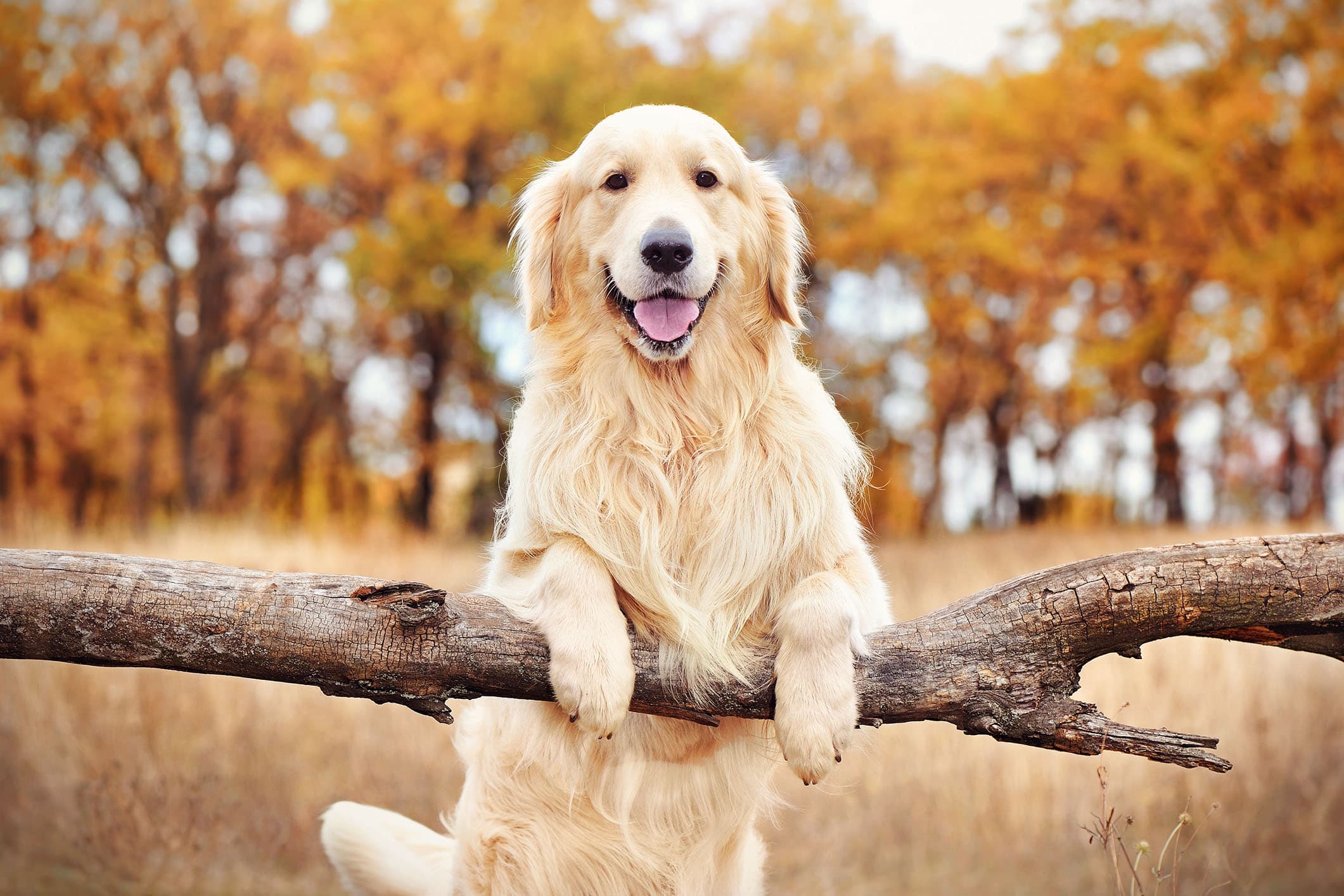
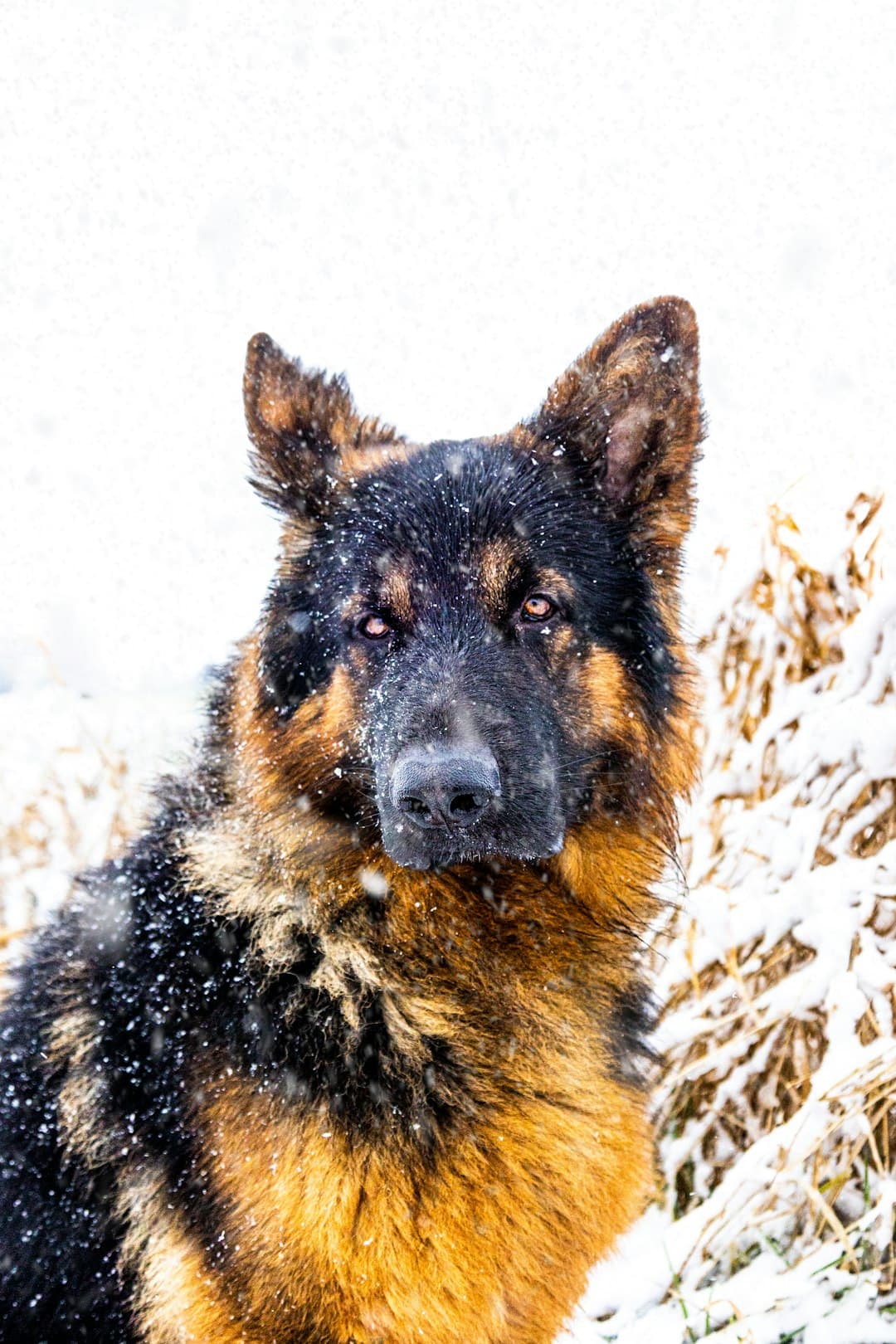
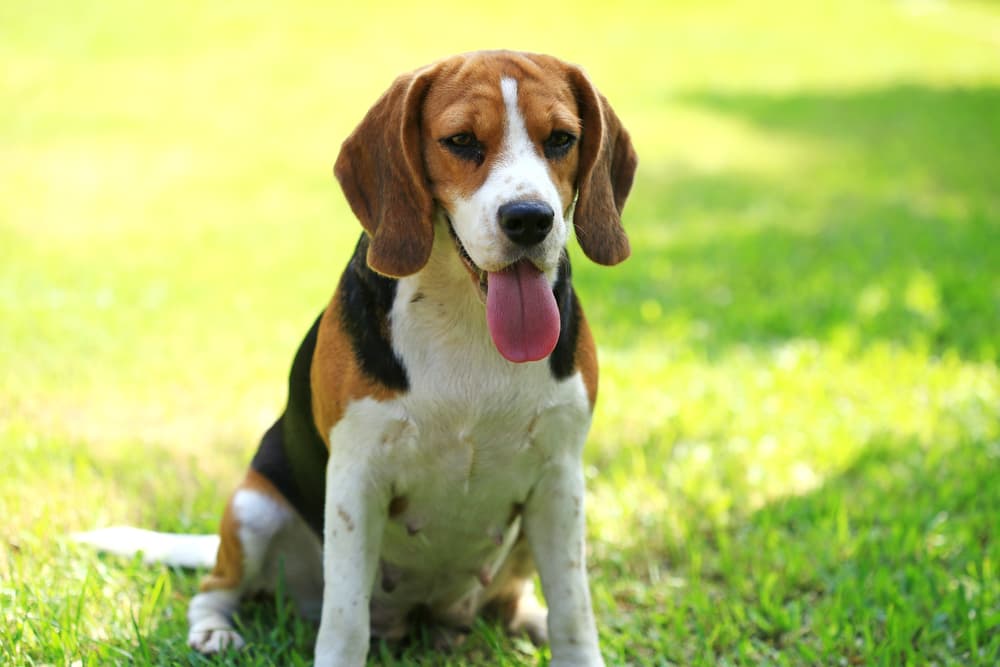
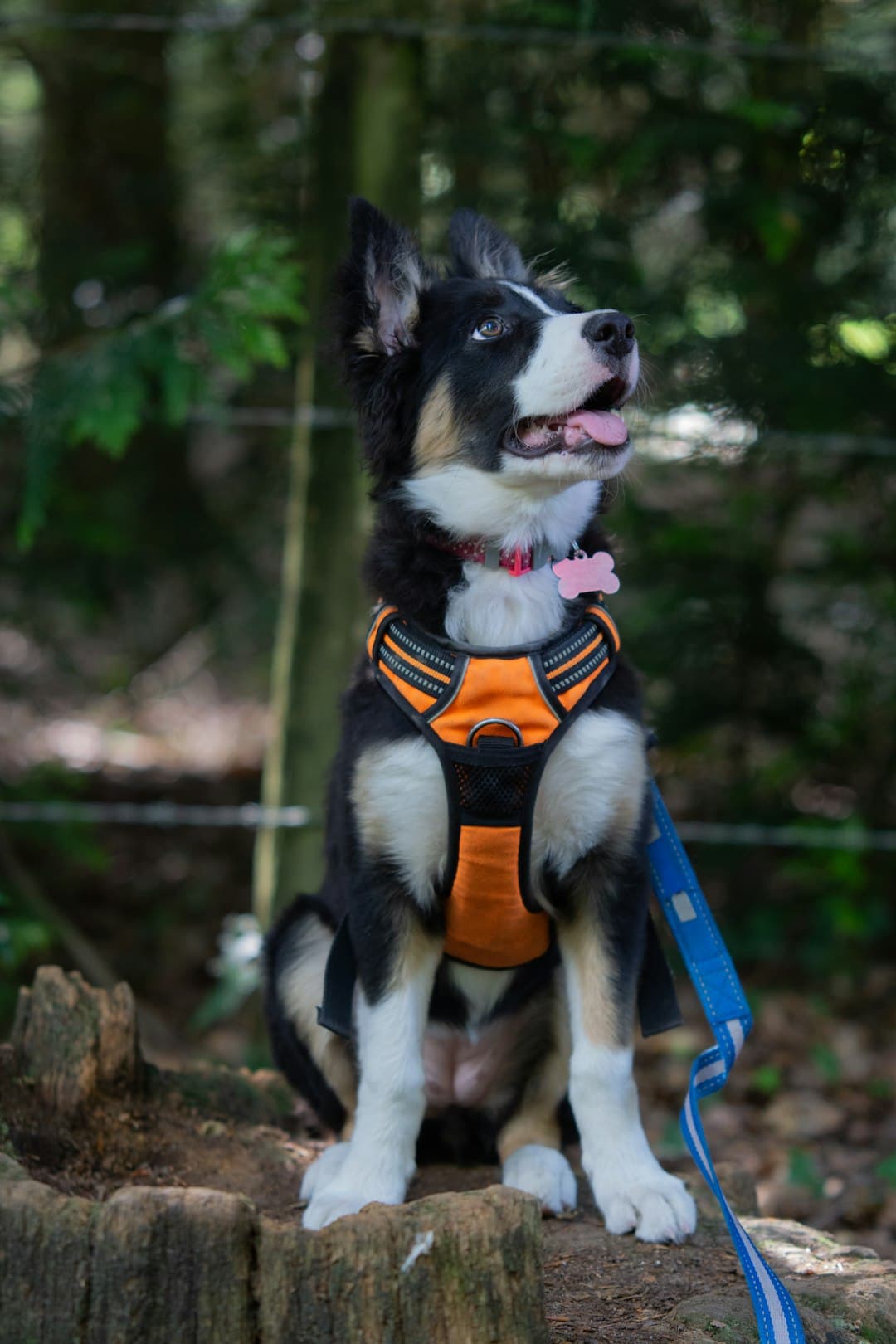
If the Curly Coated Retriever speaks to you, these neighbors on the family tree—or in temperament—are worth a look. Open a full comparison when you want the details side by side.


Chapter X
References
This guide summarizes publicly available breed and veterinary education sources and applies them to Curly Coated Retriever traits in our database. Always consult your veterinarian for individual care. Citation numbers in the text map to the list below.
- [1]Curly Coated Retriever Dog Breed Information — American Kennel Club (AKC)
- [2]Pet Ownership & Responsible Care — American Veterinary Medical Association (AVMA)
- [3]Canine Vaccination Guidelines — American Animal Hospital Association (AAHA)
- [4]General Dog Care — ASPCA
- [5]2023 AAHA Senior Care Guidelines for Dogs and Cats — American Animal Hospital Association (AAHA)
- [6]Healthy Pets, Healthy People — Dogs — Centers for Disease Control and Prevention (CDC)
- [7]How Much Does Dog Ownership Cost? — American Kennel Club (AKC)
- [8]Puppy Socialization — American Veterinary Society of Animal Behavior (AVSAB)